Choosing the right belt and disc sander can elevate finishing quality and efficiency on both woodworking and metalworking projects. The following selections combine versatility, motor power, and durable bases to minimize vibrations and maximize control. Each model supports belt and disc sanding configurations, and many offer adjustable tilts and cast-aluminum bases for stability. Use this guide to compare features, performance, and accessories across five strong options.
| Product | Brand | Type | Key Benefit | Link |
|---|---|---|---|---|
| WEN Benchtop Belt and Disc Sander 4×36 / 6×6 | WEN | 2-in-1 | Sturdy cast iron base; belt tilts 0–90° | See Product |
| BUCKTOOL Pro 1HP Bench Belt Sander BD4801-M | Bucktool | 1HP Belt / 8″ Disc | Direct-drive, high efficiency; unattended operation potential | See Product |
| WEN Benchtop Belt and Disc Sander 1×30 / 5 | WEN | 2-in-1 | Compact for small spaces; solid base | See Product |
| BUCKTOOL 5.0A BD4603 Upgrade | Bucktool | 4×36″ Belt / 6″ Disc | Maintenance-free belt drive; multi-angle sanding | See Product |
| BUCKTOOL Direct Drive 4×36 / 8″ Disc | Bucktool | Direct Drive | Powerful 3/4HP motor; stable operation | See Product |
WEN Benchtop Belt and Disc Sander (6502T)
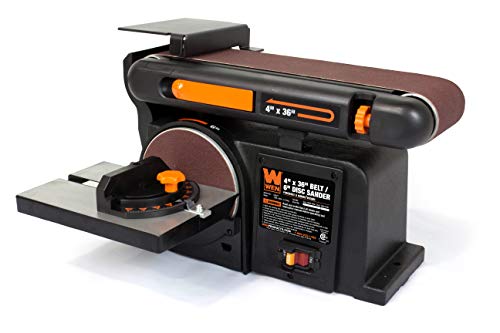
The WEN 6502T combines a 4-by-36 inch belt with a 6-by-6 inch disc in a robust benchtop design. A tilting belt (0 to 90 degrees) enables precise angle work, while a cast-iron base minimizes vibrations during heavy-sand tasks. This model is well-suited for shop setups requiring both shaping and finishing in one machine, with straightforward belt changes and stable operation on a heavy frame.
BUCKTOOL Pro 1HP BD4801-M

The BUCKTOOL BD4801-M pairs a 1 HP direct-drive motor with a 4×36 inch belt and an 8 inch disc. The integrated design emphasizes efficiency and durability, including a dust-collection-friendly setup and convenient switch placement. The direct-drive motor reduces belt maintenance needs and promotes consistent torque for metalworking and woodworking tasks alike, making it a strong choice for professionals and serious hobbyists.
WEN Benchtop Belt and Disc Sander (6515T)
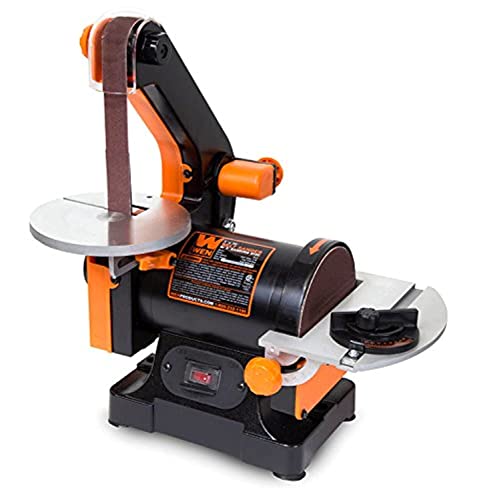
The WEN 6515T features a 1-by-30 inch belt and a 5 inch disc, delivering up to 3160 feet per minute on the belt and 3450 RPM on the disc. Its heavy-duty base supports stable operation, reducing walking or wobble during use. The combination system is ideal for detail work and rapid material removal on smaller components or hobby projects requiring precise finish handling.
BUCKTOOL BD4603 Upgrade (5.0A)
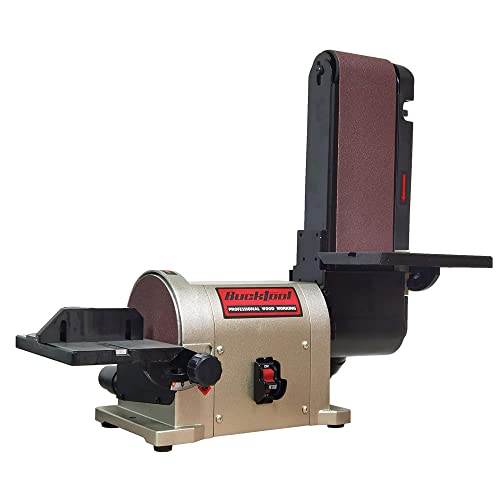
This upgraded model emphasizes maintenance-free operation with a direct-drive motor that eliminates belt tension adjustments and belt replacements. A 4×36 inch belt paired with a 6 inch disc and a robust cast-aluminum base delivers stable performance across angled sanding tasks. The 3/4 HP motor combines efficiency with ample torque for both wood and metal finishing tasks.
BUCKTOOL Direct Drive Bench Belt Sander (BD4600 Series)

With a 4×36 inch belt and 8 inch disc, this direct-drive bench sander emphasizes efficiency and stability. A 3/4 HP motor delivers solid sanding performance, while the tilting cast aluminum worktable and additional features support vertical and horizontal setups for diverse projects. It’s designed to minimize vibration and provide consistent material removal across tasks.
WEN 6508 6×48 Belt / 9xDisc Sander

The WEN 6508 offers a heavy-duty, two-in-one setup with a 6-by-48 inch belt and a 9-by-9 inch disc. A powerful 9 Amp motor drives up to 3450 RPM for the disc and 2160 RPM for the belt, delivering substantial sanding speed with a stable frame to reduce unwanted movement during heavy use. It’s suited for larger workshop projects requiring extended belt and disc surfaces.
Woodskil, VE VOR, and Alternatives Comparison
While the five products above emphasize belt-and-disc combinations, readers should compare key aspects such as motor horsepower, belt length, disc diameter, tilt range, base stability, dust management, and ease of belt changes. Direct-drive models reduce maintenance time, but may be heavier or more expensive. Larger belt sizes (4×36 or 6×48) provide more material coverage, yet require more bench space. A stable base and vibration control are crucial for precise finishes, especially on metalworking tasks where heat and disc balance influence results.
Buying Guide
Key factors to consider when selecting the right belt and disc sander include belt size and grit compatibility, motor power, speed control, tilting capability, base construction, dust management, and ease of maintenance. Consider where you work (woodworking, metalworking, or mixed projects) and how much space you have on your bench. For frequent heavy cutting, prioritize higher horsepower and a rigid base; for detail work, a smaller, more precise setup with good dust extraction may be preferable. Direct-drive designs can reduce belt tension adjustments, while belt-drive systems may offer easier belt replacement in some cases.
Overview of considerations by use case:
- Woodworking: prioritize stable bases, belt/disc speeds within safe ranges, and dust collection compatibility.
- Metalworking: look for robust frames, higher torque, and compatibility with metal grinding accessories; ensure good heat management.
- Portability: consider lighter, compact models with efficient dust ports for smaller shops or mobile work areas.
- Maintenance: direct-drive units reduce maintenance; belt-driven units may offer simpler belt replacement and tuning for hobbyists.
Balance between price, power, and versatility will determine the best fit for an American workshop. For ongoing projects requiring both shaping and finishing, a dual belt/disc model with a sturdy base and tilt options generally delivers the most flexibility and efficiency.