When choosing a belt sander for metal, you want power, stability, and versatility. The following selections emphasize robust construction, reliable belts, and features that handle metalworking tasks—from deburring and grinding to shaping and finishing. Each option below blends independent belt and disc capabilities with solid bases to minimize vibration, helping you achieve precise, repeatable results on steel and other metals.
| Product | Belt Size | Disc Size | ||
|---|---|---|---|---|
| WEN Benchtop Belt and Disc Sander (6502T) | 4 x 36 in | 6 in | 1/2 HP | Cast iron base; belt tilts 0–90° |
| BUCKTOOL BD4801-M Pro 1HP | 4 x 36 in | 8 in | 1 HP direct-drive | Heavy-duty metalworking focus; solid base with dust port |
| Bucktool BG2600 Combo | 2 x 42 in | 6 in | 1/2 HP | Multi-angles; long work-table |
| VEVOR 8″ Disc + 4×36″ Belt | 4 x 36 in | 8 in | 5A induction motor | Aluminum worktable; robust multi-angle capability |
| BUCKTOOL BD4603 Upgraded | 4 x 36 in | 6 in | 3/4 HP direct-drive | Maintenance-free belt tracking; quick belt change |
WEN 6502T Belt Sander With Disc
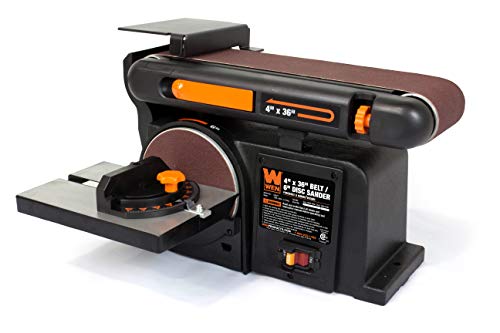
The WEN 6502T combines a 4-by-36 inch belt with a 6-by-6 inch disc, offering two finishing modalities in one machine. A cast iron base helps dampen vibrations and maintains stability during heavy metal grinding. The belt tilts from 0 to 90 degrees, enabling bevels and angular work, while the integrated design is suitable for deburring, smoothing, and contouring metal parts. The dual-function layout makes it a versatile option for metalworking shops seeking space efficiency without sacrificing performance.
BUCKTOOL BD4801-M Pro 1HP Sander

The BUCKTOOL BD4801-M targets professional metalworking with a 4 x 36 inch belt and an 8 inch disc. It features a 1 HP direct-drive motor for robust material removal and a sturdy aluminum base that helps minimize vibrations. The belt paper uses a hook-and-loop design for quick belt changes, and a dedicated dust outlet reduces heat buildup and fume accumulation—important when grinding metals. This model is well-suited for deburring, shaping, and aggressive material removal on steel and other alloys.
Bucktool BG2600 Combo Package
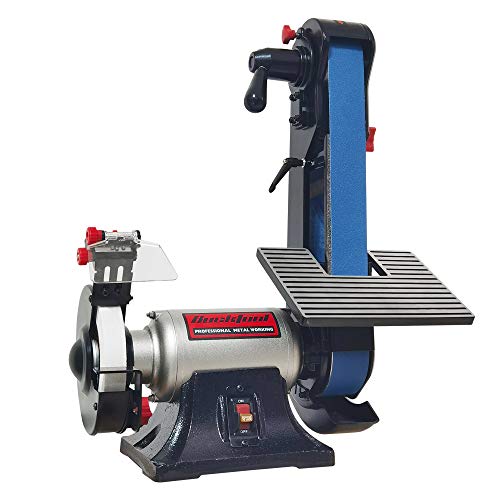
The Bucktool BG2600 blends a 2-by-42 inch belt with a 6 inch disc in a single, versatile unit. It operates with a 1/2 HP induction motor and features a tilt-capable belt that ranges from 0 to 90 degrees, great for both horizontal and vertical sanding tasks. Its robust construction and long work table benefit metal finishing on longer pieces, welds, and flat metal stock. This combo is a practical choice for woodworkers who also do metal shaping and sharpen tasks.
VEVOR 8″ Disc & 4×36″ Belt Sander

The VEVOR belt and disc sander combo uses a 5A induction motor to provide steady power for metalworking tasks. The belt speed and disc speed offer reliable material removal with quieter operation compared to traditional open-frame models. The cast aluminum worktable tilts 0 to 45 degrees, enabling precise positioning for bevels and angled contouring on metal pieces. This unit is designed for users who require consistent torque for longer finish passes on metal edges and flat surfaces.
BUCKTOOL BD4603 Upgraded
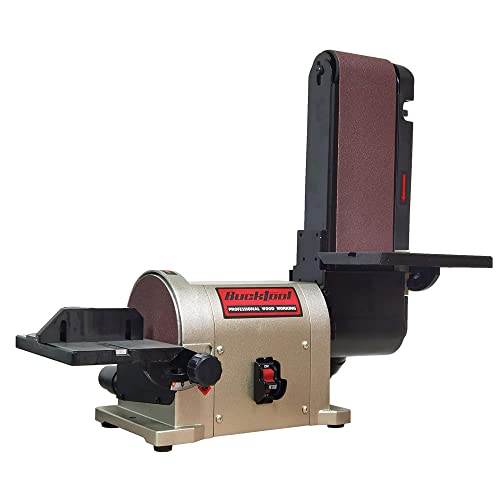
The BD4603 Upgraded from Bucktool features a 4 x 36 inch belt with a 6 inch disc and a direct-drive 3/4 HP motor. A key advantage is the maintenance-free tracking design, which minimizes belt tension adjustments and belt wear. It also supports multi-angle sanding with belt tilting from 0 to 90 degrees and quick belt replacement. The portable aluminum base plus rubber feet helps resist vibrations while moving between projects, making it suitable for small to medium metalworking shops.
Buying Guide: Key Considerations for Metal Belt Sanders
- Power and torque: For metal, you want sufficient motor power (1/2 HP to 1 HP) to remove material efficiently without bogging down at high resistance.
- Belt and disc balance: A two-in-one model saves space and cost, but ensure both belt and disc are sturdy and aligned to prevent wobble during heavy grinding.
- Base stability: Cast iron or heavy aluminum bases dampen vibrations, improving finish quality and operator comfort during long sessions.
- Belt tensioning and tracking: Maintenance-free or quick-change belt systems reduce downtime and keep belts properly aligned for cleaner finishes.
- Angle capabilities: Belts that tilt 0–90 degrees offer horizontal and vertical sanding, which is essential for shaping edges and contouring complex parts.
- Dust management: A good dust port and enclosure help maintain a cleaner workspace and longer belt life by removing grit and heat buildup.
- Noise and heat: Induction motors tend to run cooler and quieter, improving comfort and extending tool life in busy shops.
- Work table size: A larger, tiltable worktable supports long pieces and provides better support for flat surfaces and bevels on metal workpieces.
- Maintenance needs: Machines with quick belt changes and simple alignment reduce downtime during projects with frequent belt swaps.
When selecting, consider the typical metal tasks you perform—deburring, finishing welds, or shaping edges—and pick a model that balances power, stability, and ease of use for your workspace size. For shared workshops, prioritize machines with compact footprints and solid vibration damping.