A solid belt sander can speed up woodworking projects, deliver smooth finishes, and handle heavy material removal with consistent results. This guide highlights five strong options across different budgets and needs, helping American woodworkers choose a dependable sander for shaping, flattening, and refining shelves, tabletops, and trim. Each pick includes practical performance notes and key features to compare at a glance.
Product Comparison Snapshot
| Product | Key Strength | Power | Notes |
|---|---|---|---|
| WEN Benchtop Belt and Disc Sander 6502T | Two-in-one functionality | 4 x 36 in belt, 6 in disc | Excellent for versatile projects; sturdy cast iron base |
| Jellas BS750-SD Belt Sander | Value-added kit with belts | 7 Amp, 3″ x 21″ | 2-in-1 bench versatility; includes dust-ready setup |
| WEN 6515T Benchtop Belt Sander | Compact dual-function | 1 x 30 in belt, 5 in disc | Reliable domestic option with solid base |
| SKIL 7510-01 Belt Sander | Pressure control for finish consistency | 3 x 18 in belt | Effective dust control with micro-filtration |
| Metabo HPT SB8V2 Belt Sander | High-power industrial-grade option | 3 x 21 in, 9 Amp | Strong motor with variable speed |
The following sections dive into each product’s strengths, how they fit different woodworking scenarios, and what to consider when choosing a belt sander for home garages, workshops, or small shops.
WEN Benchtop Belt and Disc Sander 6502T
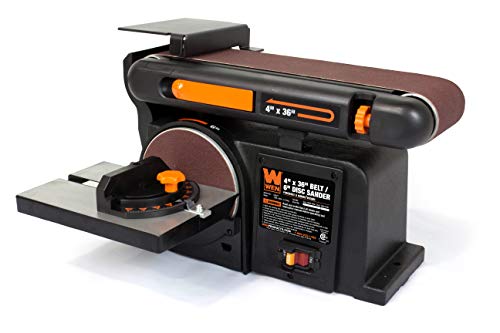
The WEN 6502T combines a 4-by-36 inch belt with a 6-by-6 inch disc, providing two sanding approaches in a single unit. The belt tilts from 0 to 90 degrees, enabling precise edge work, bevels, and face flattening. A robust cast-iron base minimizes vibration, helping maintain control during heavy sanding tasks. This model is well-suited for intermediate woodworkers who want a versatile, space-efficient tool that can handle stock removal and fine shaping on a single bench setup. The dual-function design supports rapid material removal on flat surfaces and controlled, fine finishing on curved profiles when needed.
Key considerations: dust management is practical with a built-in collection approach, and the belt’s wide length supports long, straight passes. It’s a strong all-around option for hobbyists upgrading from a handheld sander to a benchtop system without dedicating significant shop real estate.
Jellas BS750-SD Belt Sander
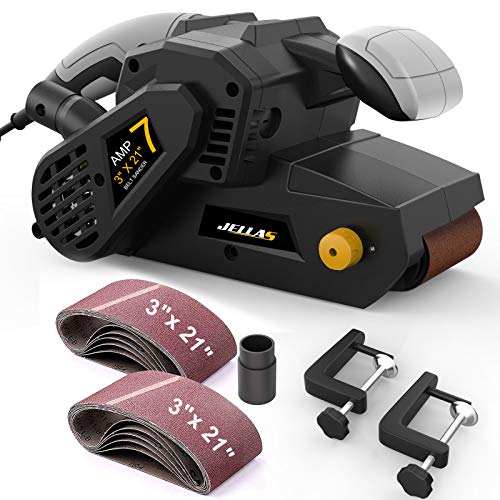
The Jellas BS750-SD offers a 7-amp, 3-by-21-inch belt with a 2-in-1 bench configuration that can be transformed into a standing belt sander, thanks to included clamps and conversion features. With a variable-speed control supporting a broad rpm range (approximately 120–400 rpm), it accommodates materials ranging from soft to hardwood. The model ships with a complete belt assortment (10 belts across multiple grits), helping woodworkers select the right abrasiveness for initial shaping, intermediate smoothing, or final finishing. A lock-on button supports sustained sanding sessions, reducing hand fatigue during lengthy projects.
Considerations: the belt length provides adequate coverage for larger boards, while the dust extraction facets can be complemented with an external vacuum for improved cleanup. This option is particularly appealing to those who value a compact dual-use design and belt variety at a reasonable price point.
WEN Benchtop Belt and Disc Sander 6515T
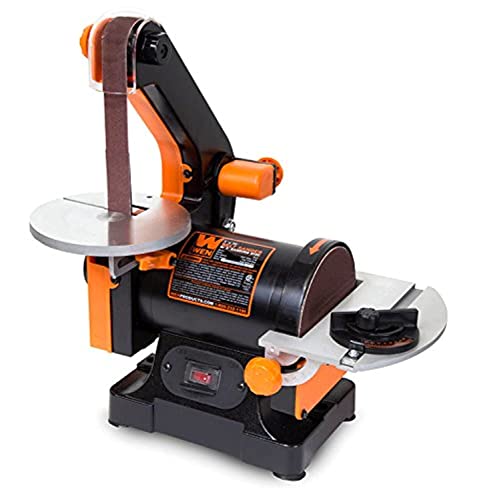
The WEN 6515T provides a compact belt-and-disc combo with a 1-by-30 inch belt and a 5-inch sanding disc. A 2.3A motor drives the belt at high speed for efficient shaping, while the disc offers complementary finishing. The machine is built with a sturdy base to minimize walking or wobbling, which is important for precise work on smaller parts or detailed finishing tasks. This model is popular among hobbyists and garages where space is limited yet reliable performance is essential for routine sanding jobs, such as flattening tabletops or trimming edge profiles on cabinetry.
Insights: users should expect straightforward setup, clear belt tracking, and adequate dust control for light to moderate sanding tasks. It’s a dependable entry to mid-level choice for those prioritizing compact footprint and consistent operation.
WEN 6321 7-Amp 3 in. x 21 in. Belt Sander
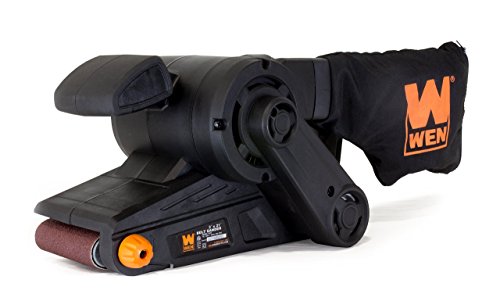
The WEN 6321 is a compact, high-torque belt sander with a 7-amp motor and a belt size of 3 by 21 inches. Weighing in at a portable six pounds, it’s designed to minimize user fatigue during extended sessions. The included detachable dust bag helps reduce cleanup, though many users pair it with a shop vacuum for better dust management on heavy-duty projects. The 13+ feet per second belt speed delivers aggressive material removal on rough stock while still allowing control on refined surfaces. This model suits woodworkers who need a reliable, light, and affordable option for everyday sanding tasks and shop projects.
SKIL 6 Amp 3-by-18-Inch Belt Sander 7510-01

The SKIL 7510-01 focuses on finish quality with a 6-amp motor and a 3-by-18-inch belt. Its pressure control technology provides feedback to help prevent over-sanding and gouging, which is especially valuable when shaping tabletops, edges, or curved profiles. Micro-filtration helps capture fine dust, contributing to a cleaner work environment. The device is designed for handheld operation but remains effective for light bench work, making it a good fit for hobbyists who value finish consistency when smoothing workspace components and trim.
Metabo HPT SB8V2 Belt Sander

The Metabo HPT SB8V2 is a higher-powered option featuring a 9-amp motor and a 3-by-21-inch belt, designed for demanding woodworking tasks. With variable speed control and a soft-grip handle, it emphasizes user comfort during extended sessions and supports a wide range of applications from aggressive stock removal to finer final passes. This model appeals to serious hobbyists and small shop operators who routinely work with hardwoods or thick stock and require reliable performance under load, along with a balanced, durable build and a long service life.
Buying Guide
- Power and speed: Higher amperage motors deliver faster stock removal, but they can also generate more heat and vibration. Look for a model with variable speed to adapt to different wood types and finishing needs.
- Belt size and versatility: Wider belts remove material quickly; longer belts cover more area per pass. Dual-function machines with integrated discs offer more versatility for flattening and finishing in a single tool.
- Base stability: A cast-iron or heavy-duty base minimizes vibration and wobble, improving control on flat surfaces and delicate edges alike.
- Dust management: Dust collection matters for visibility and air quality. A detachable dust bag is common, but pairing with a shop vacuum can substantially improve cleanup and health considerations in smaller workshops.
- Ergonomics and handling: Variable-speed controls at the handle, soft grips, and a lock-on button can reduce fatigue during long sessions, especially when sanding larger panels.
- Included accessories: Belts in a variety of grits, dust bags, and clamps add value. A package with multiple belts helps you tackle different stages—from rough shaping to fine finishing.
- Budget and intended use: For hobbyists, balance between belt length, two-in-one functionality, and included accessories matters. For small shops, higher power, durable bases, and precise dust control can justify a higher upfront cost.
- Maintenance: Regularly inspect the belt tracking, tension, and wheel condition. Clean dust from motors and vents to maintain performance and longevity.
In selecting the best belt sander for woodworking, consider your typical projects—whether you mostly shape tabletops, trim edges, or flatten large boards. The reviewed models cover a spectrum from compact, economy-friendly units to more powerful, professional-grade tools. Factor in workspace size, dust-control preferences, and whether you value a 2-in-1 belt-and-disc arrangement for broader capability in a single machine. Each option has distinct advantages depending on your workflow and project requirements.