Choosing the right brush for urethane tasks—whether you’re refinishing furniture, a cabinet recoat, or a decorative project—matters for achieving smooth, even coats and minimal brush marks. The following selections are chosen for their compatibility with urethanes, varnishes, enamels, and related finishes. Each option offers distinct benefits, from natural hog bristle performance to synthetic durability, helping you select the best brush for your project.
Overview of selected products:
| Product | Brand | Best For |
|---|---|---|
| Purdy 144024010 Black Bristle Series Adjutant Angle Sash Brush, 1″ | Purdy | Natural hog bristle, precise control for detailing |
| Redtree Industries 12013 Onyx Fine Finish Natural Bristle Paint Brush – 1″ | REDTREE | Fine finishes, enamels, urethanes |
| Magimate 3-Inch Double Thick Chip Paint Brush | Magimate | Wide coverage, versatile for stains and varnishes |
| Redtree Industries 12053 Onyx Fine Finish Natural Bristle Paint Brush – 3″ | REDTREE | Urethanes and varnishes on larger surfaces |
| Wooster Brush, 2-Inch, White Z1120-2 Paintbrush | Wooster | Oil-based varnishes, urethanes, marine paints |
Purdy 1-Inch Black Bristle Adjutant Sash Brush

The Purdy Black Bristle series uses medium-stiff, natural hog hair bristles designed for oil-based paints, stains, epoxy, and spar urethanes. The natural bristles offer strong paint pick-up and smooth release, reducing brush marks on urethane applications. The brush is lightweight with stainless steel ferrules and a moisture-wicking alderwood handle for comfortable use over longer sessions.
Redtree Onyx Fine Finish 1-Inch Natural Bristle Brush
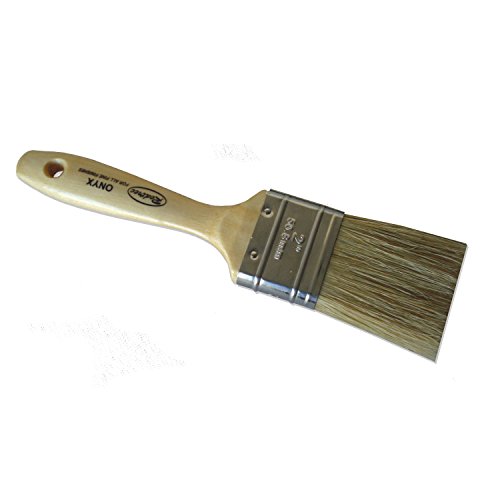
Designed for enamels, varnishes, and urethanes, this 1″ Onyx brush features 100% chisel-edged natural bristles for precise control. Its lightweight varnished wooden handle enhances comfort and maneuverability, making it suitable for detailed urethane work on small surfaces or tight corners.
Magimate 3-Inch Double Thick Chip Brush
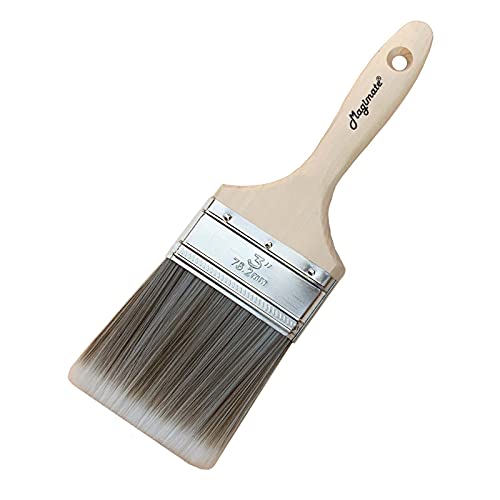
This wide 3″ chip brush provides extensive coverage, ideal for large surfaces and fast applications of varnish or polyurethane. It combines a robust, soft yet firm synthetic bristle with epoxy-secured bristles, ensuring good paint pick-up and release. Suitable for a range of finishes, including gloss and glaze, with compatibility spanning water-based and oil-based systems.
Redtree Onyx 3-Inch Fine Finish Natural Bristle Brush
Designed for urethanes, varnishes, and enamels, this 3″ Onyx brush emphasizes fine finishing with a chiseled edge for smooth, even coats over larger surfaces. Built to match precise requirements, it balances control and coverage for a professional-grade urethane job.
Wooster White Z1120-2 Paintbrush

Wooster’s White China bristle brush is known for its fine finish capabilities with alkyd and oil-based varnishes, marine paints, stains, and urethanes. The chisel construction and soft formulation deliver a velvet feel, contributing to smoother coats on detailed urethane projects and trim work.
PPG Architectual Finishes ProVantage Varnish Brush

Though not among the five final picks, this brush demonstrates another benchmark for urethane work. Engineered for medium to high viscosity paints and stains, it uses a nylon/polyester blend to maintain stiffness across temperatures. It showcases how synthetic fibers can handle demanding urethane applications while preserving durability and brush control.
Buying Guide: Key Considerations For Urethane Projects
Choosing the right brush for urethane finishes depends on a balance of material type, surface area, and finish type. Natural bristle brushes, such as hog hair or badger-style bristles, excel with oil-based finishes and provide a smooth, traditional feel. They can impart a slightly warmer color and require careful cleaning after use. Synthetic brushes, often nylon or polyester blends, resist solvent damage, hold their stiffness in varying temperatures, and are easier to maintain for frequent project cycles. For large, flat surfaces, wider brushes (2″ to 3″) offer faster coverage, while smaller sizes provide tighter control for trim, edges, and corners. Consider handle ergonomics if you’re working long sessions. Epoxies and certain urethanes may benefit from stiffer bristles to prevent splaying under heavier loads, while waterborne finishes may pair well with softer bristles to reduce brush marks.
Other dimensions to weigh include bristle density and length, ferrule construction, and the overall weight of the brush. A robust ferrule helps prevent bristle loss and ensures even distribution of coating. For projects requiring frequent recoats, maintainability matters: natural bristles require thorough cleaning with mineral spirits or appropriate cleaners, while synthetic bristles often tolerate more flexible cleaning routines. Finally, consider your project scale: for furniture and cabinetry, a combination of 1″ to 3″ brushes can provide precise detail work and wide-area coverage, respectively, while keeping finish consistency across the piece.