Finding the right clear coat can transform 3D printed parts by reducing visible layer lines, improving durability, and delivering a glossy or satin finish. The following five products are among the most relevant options for protecting and enhancing 3D prints, whether you’re finishing resin, SLA, or filaments. Each entry highlights what to expect in terms of clarity, drying time, and compatibility to help you decide which coating best fits your project needs.
| Product | Brand | Type | Notable Benefit |
|---|---|---|---|
| Smooth-On XTC-3D | Smooth-On | Silicone-based clear coat | Hard, impact-resistant finish for a variety of materials |
| Dupli-Color Clear Exact-Match Top Coat | Dupli-Color | Automotive clear coat spray | Professional appearance with broad compatibility |
| Rust-Oleum Universal Clear Topcoat | Rust-Oleum | All-surface spray | High gloss, versatile on many materials |
| ANYCUBIC High Clear 3D Printer Resin | ANYCUBIC | Resin | Excellent clarity and long-lasting transparency |
| ANYCUBIC Upgraded Standard Resin (Clear) | ANYCUBIC | Resin | Improved hardness and stability with clear finish |
Smooth-On XTC-3D 20 Mold Making & Special Effects

Product type: clear coating designed to smooth and finish 3D printed parts. It works on SLA, SLS, PLA, ABS, Laywoo, and similar rigid media. The mix ratio is 2A:1B by volume, with a 10-minute working time. Cures to a hard, impact-resistant coating in about 3.5 hours and reaches 80D Shore hardness. This coating provides a protective, glossy or smooth surface while maintaining structural integrity of small to mid-sized prints.
ANYCUBIC High Clear 3D Printer Resin

Product type: clear resin designed to resist yellowing and maintain transparency over time. Notable for long-lasting clarity and low odor. Compatible with LCD/DLP printers and yields highly transparent prints when used with proper curing steps. The resin has enhanced resilience with a focus on maintaining crystal-clear surfaces during prolonged exposure to light and indoor environments.
ANYCUBIC Upgraded Standard Resin

Product type: upgraded standard resin with improved adhesion, hardness, and flow, designed to deliver clearer, more accurate prints. This resin emphasizes reduced shrinkage and higher stability, which contributes to clearer, crisper surface finishes after post-processing and curing. It’s favorable for models requiring high precision and a transparent appearance after finishing.
Dupli-Color Clear Exact-Match Top Coat
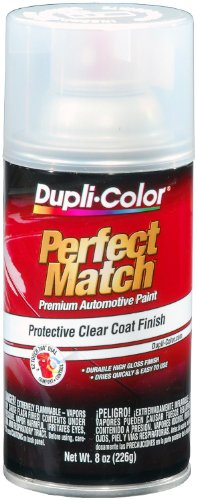
Product type: automotive clear coat designed for large touch-ups and protection on various surfaces. It provides a professional-grade finish for 3D prints that will be painted or complemented with automotive-grade coatings. The formula aims to protect against chipping, fading, and environmental exposure while delivering a smooth, uniform appearance.
Rust-Oleum 302110 Universal All Surface Clear Topcoat

Product type: all-surface clear topcoat spray suitable for wood, plastic, metal, and more. It offers an oil-based formulation with strong adhesion, helping prevent rust and resist fading and chipping. Dries to the touch within 30 minutes and covers large areas, making it convenient for finishing a variety of 3D prints.
Buying Guide: Clear Coat Considerations For 3D Prints
- Material compatibility: Resin, PLA, ABS, and other materials respond differently to coatings. Check if the coating is designed for your print’s material type (resin vs. filament). For resin prints, post-curing steps and the coating’s chemical composition matter for clarity and durability.
- Finish type: Decide between high-gloss, satin, or matte finishes. High-gloss coats enhance clarity and highlight details; satin or matte finishes reduce reflections and hide minor layer lines.
- Protection vs. clarity: Some coatings prioritize hard, protective shells, while others emphasize maintaining crystal clarity. Balance the need for impact resistance with optical transparency.
- Drying and cure times: Consider working time and full cure duration when planning your workflow. Shorter cure times speed up production but may require precise application.
- Application method: Spray coats offer uniform coverage for larger prints; brush-on and roll-on formulas provide control for small parts or intricate surfaces. Silicone-based coatings may require proper mixing and ventilation.
- Potential post-processing: Some coatings may require sanding, polishing, or additional curing steps to achieve optimal clarity and smoothness. Follow manufacturer instructions for best results.
- Odor and safety: Work in a well-ventilated area and use appropriate protective gear. Resin-based products may emit noticeable odors during curing.
- Durability expectations: If your prints will see outdoor exposure or heavy handling, prioritize coatings with UV resistance and impact protection to minimize yellowing and wear over time.
These options provide a range of finishes and application styles—from professional automotive clear coats to resin-based clarity enhancers—so you can choose based on your printing material, finishing goals, and workflow. Always follow the manufacturer’s instructions for mixing, curing times, and safety to maximize the performance of any clear coat.