Choosing the right clear coat for a wood table is essential to protect the surface while enhancing its natural beauty. This guide reviews five widely recommended products that are well-suited for indoor wood tables, focusing on durability, ease of application, odor, and finish type. Each option below is evaluated for how it protects against everyday use, spills, and wear—without yellowing over time.
Summary of Selected Products
| Product | Brand | Finish Type | Notes |
|---|---|---|---|
| Minwax Polycrylic Protective Wood Finish, Clear Satin, ½ Pint | Minwax | Satin | Crystal clear, non-yellowing, low odor |
| Furniture Clinic Wood Varnish, Satin | Furniture Clinic | Satin (Water-based) | Low odor, water-based formula |
| Minwax Polycrylic Protective Wood Finish, Clear Matte, ½ Pint | Minwax | Matte | Soft sheen, modern look, non-yellowing |
| Rust-Oleum Universal All Surface Clear Topcoat Spray, High Gloss Clear | Rust-Oleum | Gloss (spray) | Versatile on multiple surfaces, quick-dry |
| Furniture Clinic Wood Varnish, Matte | Furniture Clinic | Matte (Water-based) | Durable seal, low odor |
Minwax Polycrylic Satin Finish for Wood Tables

Minwax Polycrylic Protective Finish is designed to protect interior wood surfaces such as furniture, doors, and cabinets. The satin variant provides a balanced sheen that preserves the natural look of the wood while delivering durable resistance to scratches, spills, and dirt. This product is compatible with both oil-based and water-based stains and is known for a crystal-clear finish that remains non-yellowing. The satin sheen helps achieve a modern, subtle glow that can complement a wide range of table styles, from traditional to contemporary. It’s also noted for its relatively low odor, which can improve comfort during application.
Application considerations include brushing or with a compatible applicator, with a goal of even coats and light sanding between layers if necessary. For table tops, multiple thin coats generally provide stronger protection than a single heavy coat. This product is well-suited for high-traffic surfaces where a clear, non-ambering finish is desirable.
Furniture Clinic Wood Varnish Satin (Water-Based)

This water-based varnish from Furniture Clinic emphasizes a versatile use profile for indoor furniture, including tables and chairs. It forms a durable seal that protects against stains and liquid damage, helping maintain a pristine surface with everyday use. The water-based formula keeps VOCs low and odor minimal, making it suitable for spaces with limited ventilation or for individuals sensitive to strong finishes. The satin sheen contributes a subtle luster that enhances the wood’s natural grain without creating a glossy surface that may highlight imperfections.
When applying, prepare the surface by sanding smooth and removing dust. Multiple thin coats are typically recommended to achieve even coverage and maximum protection. The finish dries relatively quickly, allowing for quicker project progress, which can be an advantage for hobbyists and professionals alike.
Minwax Polycrylic Matte Finish for Tables
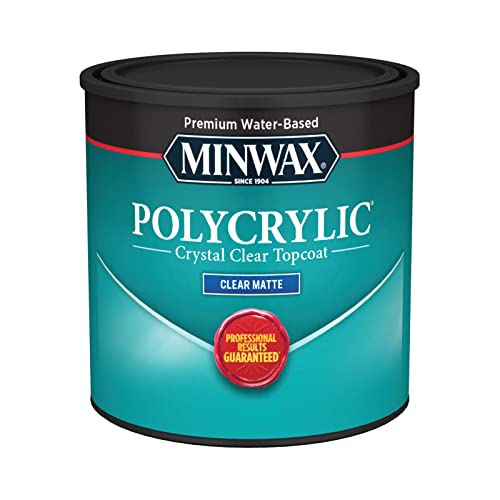
The matte variant from Minwax provides a soft, low-sheen look that can work well on traditional or rustic table designs. The product offers crystal-clear protection that resists yellowing and remains compatible with various stains and wood species. Matte finishes are often preferred for tables that should resist reflections and highlight wood texture rather than glassy shine. The formula is designed to be low odor and user-friendly, making it a practical choice for indoor projects where comfort matters during application.
For best results, apply in thin, even coats and sand lightly between coats with a fine-grit sandpaper. Two to three coats typically yield a durable, durable surface that stands up to everyday dining, crafts, and household use while maintaining the wood’s character.
Rust-Oleum Universal All Surface Clear Topcoat Spray

This spray topcoat is designed for versatility across a wide range of surfaces, including wood. The oil-based formula offers strong adhesion and protection against rust, fading, and chipping, which can help extend the life of a wooden table indoors. It dries quickly to the touch, typically within 30 minutes, and covers a moderate area per can. For tables, spray finishes can provide a smooth, even layer, particularly when brush techniques are less feasible due to the size or unique contours of the surface. Odor and cleanup considerations should be planned for, as with most spray products.
Users should follow safety guidelines when using spray finishes, including ventilation and proper protective gear. For edge-heavy surfaces or intricate patterns, light multiple passes can yield a more uniform appearance and reduce the risk of runs or sags.
Furniture Clinic Wood Varnish Gloss (Water-Based)

The gloss variant from Furniture Clinic offers a high-sheen option suitable for modern rooms where a bright, reflective surface is desired. Like the satin and matte versions, this water-based finish seals wood effectively and minimizes odor during application. The glossy finish can enhance color depth and grain, but it can also show surface imperfections more readily than a satin or matte finish. This makes surface preparation crucial—sand smooth, repair any dents, and ensure a spotless canvas before applying multiple thin coats. The water-based formula keeps VOCs low and reduces drying times, enabling faster completion of your project.
Buying Guide: Key Purchase Considerations
- Finish Type: Satin, Matte, or Gloss. Choose based on desired appearance and light reflection. Satin offers balanced sheen; matte provides a soft, contemporary look; gloss yields a bright, high-shine surface that shows grain more vividly.
- Base Formula: Water-based finishes tend to be low odor and quick-drying with fewer VOCs, while oil-based options can offer superior durability and a warm, amber tone over time. For interior tables, water-based is often more comfortable to apply indoors.
- Durability and Wear Resistance: Consider how much traffic the table receives. High-traffic areas benefit from multiple coats and a more durable finish like polyurethane or polycrylic with scratch resistance.
- Application Method: Brushes, rollers, wipes, or spray. Sprays provide even coverage on broad surfaces but require ventilation and careful masking of edges, while brushes allow control on small or intricate areas.
- Drying Time and Recoat Windows: Quick-drying formulas speed up projects but require careful timing to avoid brush marks or dust. Allow ample cure time before placing items on the surface.
- Non-Yellowing Property: If preserving the wood’s natural color is important, choose non-yellowing formulas designed to maintain transparency over time.
- VOC Levels and Odor: Lower VOC formulas are preferable for indoor use and for rooms with limited ventilation. Odor can influence comfort during application and curing.
- Maintenance: Recoat frequency depends on use. Areas near spills or heat may require more frequent refreshment to maintain protection and appearance.
Across these products, the choice largely comes down to preferred sheen, indoor-application comfort, and how aggressively you want the surface protected against daily wear. For a dish-ready tabletop that emphasizes natural wood, a satin or matte polycrylic is a common choice. For a more glass-like shine or easier stain compatibility, gloss or spray topcoats might be preferable. Always follow the manufacturer’s instructions for surface preparation, coating thickness, and curing times to achieve the best results.