If you’re selecting a corded circular saw for versatile, precise cuts, this guide highlights top models favored by professionals and DIYers alike. The picks below emphasize power, durability, bevel capacity, and portability, helping you choose a saw that fits thick plywood, framing, and light demolition tasks. Each product section includes key features and real-world considerations to compare performance, weight, and ease of use. Use the buying guide to balance power against weight and budget for lasting value.
| Product | Brand | Key Strength |
|---|---|---|
| Skil 5080-01 13-Amp 7-1/4″ Circular Saw | Skil | Bevel capacity with positive stops |
| BOSCH CS10 15 Amp Circular Saw | BOSCH | Lightweight magnesium footplate |
| DEWALT DWE575SB 7-1/4″ Circular Saw | DEWALT | Electric brake, lightweight for class |
| Skil 5280-01 15 Amp Circular Saw | Skil | Laser guide for alignment |
| CRAFTSMAN CMES510 Circular Saw | CRAFTSMAN | High RPM, easy blade changes |
Skil 5080-01 13-Amp 7-1/4″ Circular Saw

The Skil 5080-01 combines a robust 13-amp motor with a modest weight profile to reduce user fatigue during long cuts. Its 51-degree bevel with positive stops expands cut capacity for framing, decking, and trim work. The saw’s design emphasizes balance and control, making it suitable for one-person operation on medium-duty projects. A strong trigger and smooth plunge action help maintain accuracy across repetitive cuts in plywood and softwood.
BOSCH CS10 15 Amp Circular Saw

The BOSCH CS10 delivers a 15-amp motor for demanding cuts while remaining portable at roughly 10.2 pounds. Its die-cast magnesium footplate ensures durability and flatness for accuracy across edges. A built-in saw hook provides convenient storage between cuts, minimizing downtime on busy jobsites. The CS10 excels in framing and subfloor tasks where consistent bevel performance and reliability matter most.
DEWALT DWE575SB 7-1/4″ Circular Saw
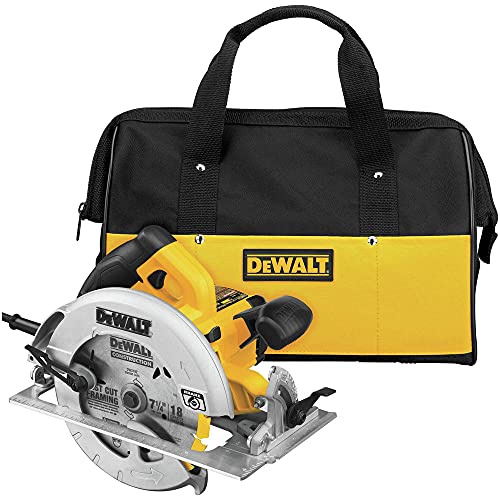
DEWALT’s DWE575SB stands out for its lightweight design at about 8.8 pounds and a robust 15-amp motor. The electric brake stops the blade quickly after the trigger is released, enhancing safety on repetitive cuts. This model is designed for users who prioritize control and speed, especially during long ripping tasks and precision framing where quick stop capability reduces kickback risk.
DEWALT 7-1/4-Inch Circular Saw, Lightweight, Corded (DWE575)

The DEWALT DWE575 offers one of the lightest builds in its class, delivering 15-amp power in a compact form. Its bevel capacity reaches 53 degrees with stops at 45 and 22.5 degrees, supporting a wide range of angled cuts for cabinetry and trim work. The design emphasizes maneuverability for single-person operation on large sheets or tight spaces.
SKIL 5280-01 15 Amp Circular Saw With Laser Guide
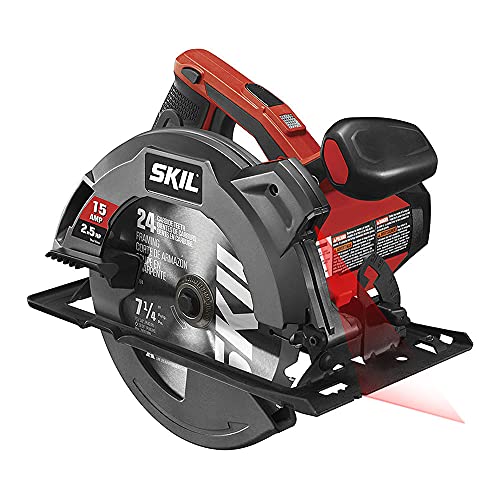
The SKIL 5280-01 features a powerful 15-amp motor and a built-in laser guide to aid alignment for straight, precise cuts. A 7-1/4-inch carbide-tipped blade balances fast cutting with long blade life. The model includes a spindle lock for quick blade changes, boosting productivity on projects that require frequent blade swaps, such as framing or decking installations.
CRAFTSMAN CMES500 Circular Saw

The CRAFTSMAN CMES500 emphasizes a 13-amp motor that delivers robust speed for fast rips. Its 7-1/4-inch carbide-tipped blade supports durable performance, with a spindle lock enabling quick changes. This model includes a bevel capacity to accommodate common framing and finish angles, making it a versatile option for workshop and jobsite use without sacrificing control or accuracy.
Buying Guide: Key Purchase Considerations
- Power and motor size: A 13–15 amp motor is typical for most woodworking tasks, balancing speed with control for plywood, framing, and decking.
- Bevel capacity and stops: Look for models offering at least 50–57 degrees with detents at common angles (22.5°, 45°, 53°) to handle varied cuts.
- Weight and ergonomics: Lighter saws reduce fatigue on long sessions, but ensure enough mass for stable cutting and reduced deflection.
- Bevel and cut depth: Ensure the saw can handle the thickness of your material; a 2-inch cut at 90° is standard for 2x material when needed.
- Safety features: Electric brakes, plastic/metal footplates for flatness, and blade guards influence control and user protection during cutting.
- Laser guides and alignment aids: A built-in laser helps with accuracy on long rip cuts, though it should be paired with a stable work setup.
- Weight of accessories and blades: Carbide-tipped blades provide longer life and cleaner cuts; consider availability and cost of replacement blades.
- Durability and warranty: Die-cast or magnesium components can improve longevity; check manufacturer warranties for tool and blade coverage.
- Pricing and availability: While prices vary, prioritize models with proven reliability and readily available replacement parts and blades.
- Intended use: For framing and heavy-duty tasks, prioritize power and bevel range; for trim and cabinetry, precision and maneuverability may take precedence.
When choosing among the highlighted models, consider the balance you need between weight, cutting power, and precision features. A model with a brake, a robust motor, and a reliable footplate is valuable for frequent, longer sessions. If you work primarily with sheet goods, a laser guide and a comfortable grip can significantly reduce layout time and improve accuracy. For occasional tasks, a lighter option with solid bevel capability can still deliver strong results without operator fatigue.