Choosing the right corded drill for woodworking means balancing power, control, and reliability. The following picks cover a range of tasks—from simple screw driving to heavy-duty drilling in hardwood. Each option emphasizes steady torque, adjustable speed, and ergonomic design to reduce fatigue during long sessions. Explore five solid corded drills that consistently perform well in wood projects across a home shop.
| Product | Brand | Key Strength |
|---|---|---|
| BLACK+DECKER Corded Drill, 5.5-Amp, 3/8-Inch | BLACK+DECKER | Compact power with variable speed |
| DOVAMAN PHD03B Corded Hammer Drill | DOVAMAN | 7.5 Amp motor; 2 modes; comfortable grip |
| Skil 7.5 Amp 1/2-in Corded Hammer Drill | Skil | High torque; 1/2″ keyed chuck; versatility |
| DEWALT Drill, 8.0-Amp, 3/8-Inch | DEWALT | Heavy-duty motor; durable chuck; fast speeds |
| GALAX PRO 4.5Amp Corded Hammer Drill | GALAX PRO | Hammer and drill modes; 12 speeds |
BLACK+DECKER Corded Drill, 5.5-Amp

The BLACK+DECKER DR260C delivers a practical balance of power and control for woodworking tasks. Its 5.5-amp motor offers ample torque for drilling into soft woods and light hardwoods, while a variable-speed trigger allows you to dial in precision for driving screws or starting holes. The compact body is designed to fit into tight spaces, making it easier to work on shelves, frames, or cabinet interiors. A lightweight feel reduces fatigue during long sessions, and the drill’s versatile performance makes it suitable for a broad range of DIY wood projects.
DOVAMAN PHD03B Corded Hammer Drill

The DOVAMAN PHD03B combines a robust 7.5-amp copper motor with two-mode operation (drill and hammer). With a variable speed range from 0 to 3000 RPM, it provides strong drilling performance for wood and light concrete, plus a practical hammer mode for masonry work. The drill offers a maximum capacity of 1/2″ in steel and concrete and 1″ in wood, making it a versatile tool for doweling, mortising, or drilling pilot holes. An ergonomic design and lightweight feel (about 4.6 lbs) reduce fatigue during longer tasks, while included bits and a carrying case add value for DIYers and hobbyists.
Skil 7.5 Amp 1/2-in Corded Hammer Drill
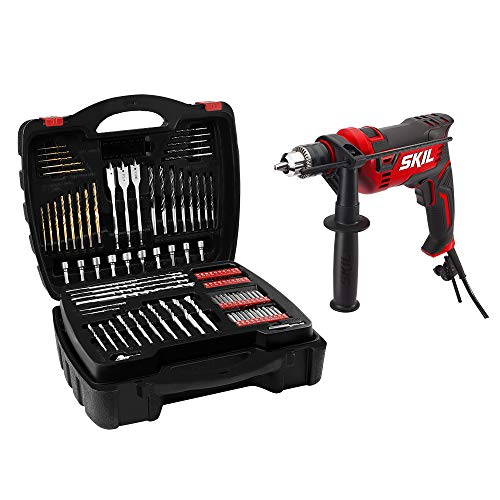
The Skil 7.5 Amp hammer drill brings high torque and a rugged build designed for tougher wood projects. Its 1/2″ keyed chuck accommodates larger bits, enhancing its capability for drilling larger holes or drilling into dense hardwoods. The drill’s power makes quick work of framing lumber, deck components, or heavy-duty shelving. This model emphasizes versatility, enabling screw driving and drilling across a range of materials, while its torque reliability helps maintain cleanliness of pilot holes and reduces wandering in hardwoods.
DEWALT 8.0-Amp 3/8-Inch Corded Drill

The DEWALT DWD115K stands out with an 8-amp motor designed for heavy-duty drilling and fastening, making it suitable for thick hardwoods and robust workshop tasks. Its 3/8-inch all-metal, ratcheting, keyless chuck provides reliable bit retention during rapid drilling and frequent bit changes. A variable-speed trigger with a speed range up to 2,500 RPM offers precise control for delicate pilot holes and faster drilling when appropriate. The mid-handle grip is crafted for comfort during extended use, helping maintain accuracy across long sessions in workshop settings.
GALAX PRO 4.5 Amp Corded Hammer Drill

The GALAX PRO 4.5A hammer drill combines a 4.5-amp copper motor with a 12-speed selector and a 1/2″ keyed metal chuck. It supports both drilling and hammer drilling, making it a flexible choice for wood, masonry, and light metal tasks. The 360-degree rotating handle provides improved control in awkward angles, and the dual-function design helps handle various woodworking projects—from boring pilot holes to drilling into masonry for anchor placements. This model emphasizes practical, all-around performance at a reasonable price point for hobbyists and DIY enthusiasts.
Buying Guide: Corded Drill Essentials for Woodworking
- Power and torque: For hardwoods, look for 7.5–8.0 amp motors to ensure consistent performance without bogging down under load.
- Chuck size and type: A 1/2″ chuck accommodates larger bits for deep holes; all-metal chucks tend to be more durable for frequent use.
- Variable speed: A variable-speed trigger helps with delicate pilot holes and driving screws; higher RPM benefits fast drilling in soft wood.
- Weight and ergonomics: A balanced, mid-handle grip reduces fatigue during long sessions, especially when drilling overhead or in tight spaces.
- Drill vs. hammer function: For wood only, a drill function suffices; a hammer setting is useful if occasional masonry work is needed.
- Brand reliability and warranty: Reputable brands typically offer better part availability and service, which matters for ongoing woodworking projects.
- Accessories: Consider including a set of quality bits (wood bits, spade bits, brad-point bits) to cover common woodworking tasks from drilling to doweling.
- Corded vs. cordless: Corded drills provide constant power and consistent torque, ideal for longer woodworking sessions; cordless options offer portability but depend on battery life.
- Maintenance and safety: Regularly check bit alignment and chuck tightness. Use gloves and eye protection, and unplug or remove the battery when changing bits.
When selecting a corded drill for woodworking, balance the factors of power, control, and comfort. The products above represent a range of capabilities—from compact, space-saving designs to heavier-duty models with larger chucks. For beginners, a reliable 5–8 amp drill with variable speed and a 3/8″ or 1/2″ chuck provides a solid starting point. For more demanding projects, higher amperage and robust build quality help maintain precision and reduce user fatigue during extended sessions.
Note: This guide focuses on corded options suitable for woodworking tasks, with consideration given to compatibility with common drill bits and accessories used in woodworking projects such as doweling, pocket holes, and pilot hole drilling in various wood types.
End of buying guide. For more in-depth analysis, consult product manuals and user reviews to assess real-world performance with your specific wood projects.