The following selection highlights five draw knives that excel at bark removal, carving, and shaping wood. Each option combines durability, ergonomic design, and blade geometry suitable for debarking logs, fence posts, and firewood. Read on to compare features, build quality, and how they perform in common woodworking tasks.
| Product | Brand | Key Feature |
|---|---|---|
| Beendou 10″ Draw Knife | Beendou | Curved blade, ergonomic wooden handle, 30° angle |
| Carmyra 8″ Draw Knife | Carmyra | 5 mm thick, 30° angle for fast, accurate bark removal |
| Stubai Drawknife Made In Austria | Stubai | 9 1/4″ blade, offset handles, high-quality steel |
| ANZHIRUOSU 8″ Draw Knife | ANZHIRUOSU | 8-inch blade, wide blade for rapid bark removal |
| Kimting Honghui 10″ Curved Draw Knife | Kimting Honghui | 10-inch curved blade, enhanced control for bark peeling |
Beendou 10″ Draw Knife
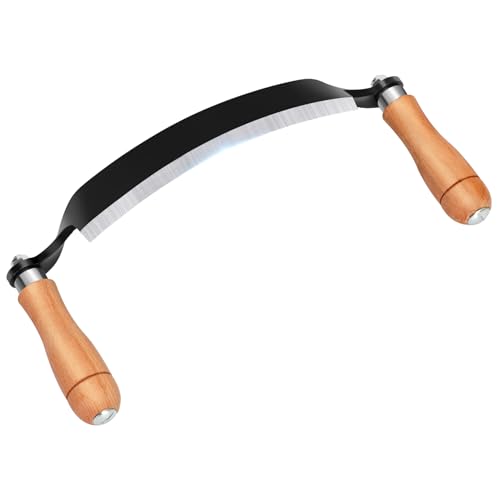
Beendou’s 10-inch curved draw knife is designed for efficient bark removal on logs, fence posts, and firewood. The blade is forged from high-strength manganese steel, with a bevel facing up to deliver a sharp, accurate edge. The handle is wooden, providing a firm grip that helps users pull smoothly through material. The tool’s design emphasizes durability and anti-corrosion surface treatment, making it a practical choice for ongoing workshop and field use.
Key considerations
Ergonomic wooden handle reduces hand fatigue during longer debarking sessions. The 30° angled blade aids in shaving bark cleanly, while the curved profile enhances control on irregular surfaces.
Carmyra Draw Knife 8″ Straight
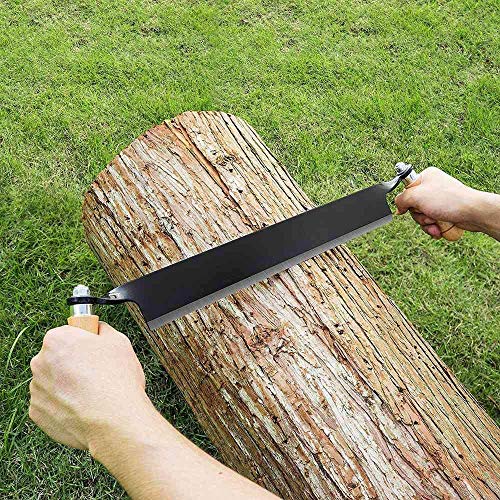
Carmyra’s 8-inch straight blade is 5 mm thick with a 30° angle, built for rapid bark removal and material shaping. Suitable for woodworking tasks like log debarking, furniture components, and spindles, this tool is often favored by woodworkers, timber framers, and carvers. The blade’s hardness and long-lasting profile support repeated use with consistent performance in cutting, shaving, and debarking tasks.
Key considerations
A straight blade offers predictable performance for straight pulls, making it a reliable option for beginners and experienced users. The 30° blade angle balances aggressiveness with control.
Stubai Drawknife Made In Austria

Stubai’s drawknife from Austria is a mid-sized model with a 9 1/4″ blade and offset handles, designed for comfortable use over longer sessions. The overall length reaches 17″, and the steel is described as high-quality with a keen edge retention. This combination makes it suitable for general woodworking tasks that involve bark removal and surface shaping on varied log sizes.
Key considerations
Offset handles reduce wrist strain and provide steadier control when debarking larger pieces. The Austrian-made steel emphasizes edge retention and durability for repeated debarking sessions.
ANZHIRUOSU 8″ Draw Knife

ANZHIRUOSU’s 8-inch draw knife focuses on versatility and ergonomic design. The wide blade supports fast bark removal, while an inclined handle aids in control and reduces hand fatigue during extended use. The tool is built from premium steel, with an emphasis on durability and a blade that maintains sharpness for reliable debarking performance.
Key considerations
Wide blades are ideal for removing larger strips of bark quickly, but require steady handling to avoid gouging underlying wood. An ergonomic handle angle can significantly improve comfort over long sessions.
Kimting Honghui 10″ Curved Draw Knife

The Kimting Honghui 10-inch curved draw knife features a curved blade design for improved bark peeling control. The 10-inch blade covers larger areas efficiently, making it well-suited for debarking larger logs and shaping wood with smooth, consistent results. The wood handle enhances grip and leverage during use, contributing to steady debarking performance.
Key considerations
Curved blades grant smoother bark removal and reduce the risk of gouging wood beneath the bark. A comfortable wooden handle helps maintain grip and control through repetitive pulls.
Buying Guide: Key Purchase Considerations
- Blade shape and size: Curved blades excel at bark peeling over broad areas, while straight blades provide precise control for detail work. Blade length should match typical log sizes you plan to debark.
- Handle design: Offset handles reduce wrist strain; straight handles offer direct pulling action. Wooden handles provide grip but require care to prevent cracking with moisture exposure.
- Blade hardness and steel quality: Higher hardness improves edge retention but may require more frequent maintenance. Look for tools with robust steel and a well-finished bevel for easy sharpening.
- Angle and bevel orientation: A bevel facing up aids shaving efficiency and edge longevity. Common angles range around 30°, balancing aggressiveness with control.
- Durability and maintenance: Anti-corrosion coatings, solid tang construction, and a secure blade-to-handle connection extend tool life and safety during debarking tasks.
- Ergonomics and user context: For frequent field use, prioritize lighter tools with comfortable grips. For workshop-heavy work, consider sturdier builds with multiple grip options.
- Intended tasks: Debarking large logs, fence posts, or firewood often benefits from wider, curved blades; smaller curved or straight blades suit carving, spindles, and finer work.
Overall, choosing the right draw knife depends on log size, working distance, and personal comfort. The five options presented provide a mix of curved and straight blades, varied blade lengths, and ergonomic designs to cover common debarking scenarios for American woodworkers.