Finding the right epoxy coatings and protective finishes for 3D printed parts can dramatically improve surface feel, durability, and color depth. This guide highlights top epoxy coatings, adhesives, and bed adhesion solutions that are well-suited for popular 3D printing materials like PLA, ABS, PETG, and resins. Each option is chosen for clarity, strength, and compatibility with common printers and media. The selections below balance coating performance with application ease, so you can achieve smoother finishes and longer-lasting prints.
| Product | Best For | Key Strength |
|---|---|---|
| Smooth-On XTC-3D 20 | 3D print coating and smoothing | Clear, hard, impact-resistant finish |
| MAX CLR A/B Crystal Clear Epoxy | Crystal-clear epoxy coating for PLA/PC surfaces | FDA-compliant, high-gloss, waterproof |
| Magigoo All-in-One Glue | Adhesive for various filaments and surfaces | Reliable bed adhesion across multiple build surfaces |
| NoClogger 3D Printing Glue | Precision bonding for small parts and models | Fast-drying, precise application |
| ENOMAKER Bamboo Lab Bed Adhesive | Bed adhesion for ABS/PLA/PETG | Strong adhesion, easy release, residue-free |
Notes: The table highlights how each product aligns with finishing, coating, and adhesion needs in 3D printing workflows. The selection emphasizes coatings and adhesives that enhance durability and finish, while still offering practical application for home and workshop environments.
Smooth-On XTC-3D 20: Clear 3D Print Coating

Smooth-On XTC-3D 20 is a high-performance coating designed to smooth and finish 3D printed parts. It works well on SLA, SLS, PLA, ABS, LayWoo, and powder-printed materials, providing a clear top coat that reduces visible layer lines. The formulation blends 2A:1B by volume and offers about 10 minutes of working time, with curing complete in roughly 3.5 hours. The result is a hard, impact-resistant coating with an 80D shore hardness that improves surface durability and gloss. Ideal for hobbyists and professionals seeking a strong, clear protective layer.
Key attributes include compatibility with multiple print technologies, ease of mixing, and a durable finish that resists minor abrasions. Prepare surfaces by ensuring cleanliness and a dust-free environment prior to coating. As with any epoxy-like coating, proper ventilation and protective gear are recommended during mixing and application.
MAX CLR A/B Crystal Clear Epoxy Coating
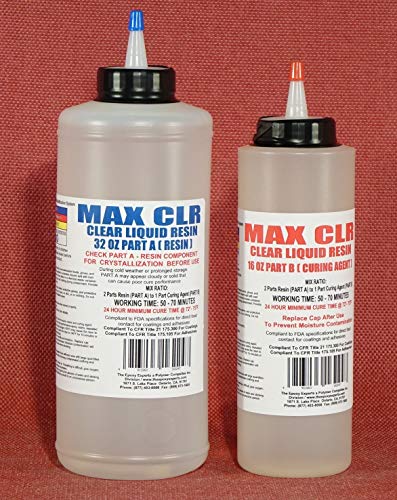
MAX CLR A/B Crystal Clear Epoxy Resin is a two-part epoxy designed for crisp, high-gloss coatings on 3D printed PLA, PVC, and PET components. The formula aims for a crystal-clear finish that remains waterproof after full cure. It’s described as FDA-compliant and low-toxicity, making it suitable for tabletop or bar-top applications where resin clarity and durability are key concerns. This coating is well-suited for parts that benefit from a glass-like finish without visible tint, including clear resin prints and color-embedded components.
Considerations include working time and proper mixing ratios to avoid air bubbles and uneven cure. As with all epoxy systems, ventilation and a controlled environment help minimize curing issues. This product is best used when a clear, protective shell is needed that resists moisture and abrasion while preserving color fidelity.
Magigoo All-in-One 3D Printer Adhesive

Magigoo MO2016 All-in-One provides an adhesive solution for ABS, PLA, PETG, HIPS, TPU, and other filament types. While not a traditional epoxy, it acts as a specialized bed adhesive on various surfaces like glass, PEI, BuildTak, Kapton, and more. The formulation aims to secure prints during the build while allowing simple release after cooling with water. For users seeking reliable adhesion across multiple filaments and surfaces, Magigoo offers a versatile option to reduce warping and improve first-layer consistency.
Usage considerations include applying a thin, even layer before printing and ensuring prints fully cool before removal. As a non-epoxy option, Magigoo complements resin projects by stabilizing prints on the build plate, especially when experimenting with different materials and print bed surfaces.
NoClogger 3D Printing Glue
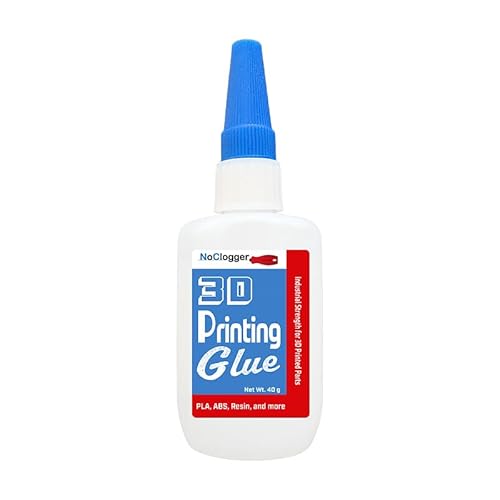
NoClogger presents an industrial-strength cyanoacrylate glue designed for 3D printing applications. This fast-drying adhesive creates strong bonds for PLA, ABS, PETG, resin, and other common print materials. It is ideal for assembling models, fixtures, or functional prototypes that require precise, durable joints. The formula emphasizes clean and precise application via a squeezable bottle with a fine tip, enabling targeted placement on small or intricate features.
From a finishing perspective, NoClogger can complement coatings by providing robust joins before applying protective epoxy or resin coatings. It is particularly useful for reinforcing assemblies or repairing prints where mechanical strength is essential. Users should handle CA glue with care to avoid skin contact and to manage fumes in small workspaces.
ENOMAKER Bamboo Lab Bed Adhesive

ENOMAKER Bamboo Lab Bed Adhesive is designed to improve bed adhesion for ABS, PLA, PETG, and TPU on various build plates. The adhesive aims to deliver strong initial grip while allowing easy release after cooling, reducing warping and improving first-layer reliability. The 60ml bottle provides enough material for recurring prints, with a focus on minimal residue and straightforward reapplication. This option is particularly helpful for users seeking a reliable bond with minimal cleanup after print completion.
Usage tips include applying a thin layer before each print and ensuring the bed surface is clean prior to coating. For consistent results, reapply as part of maintenance after extended printing sessions or when switching filaments to maintain adhesion quality.
Buying Guide: Epoxy And Finishing Considerations For 3D Prints
- Material compatibility: Check whether a product is designed for SLA/SLS resins, PLA/ABS, PETG, or a dedicated coating for a resin. Choose coatings that enhance the specific material you print with to maximize surface quality and durability.
- Finish goals: Decide whether you want a high-gloss clear coat, a matte or satin finish, a hard protective layer, or a simple adhesive bed surface. Clear epoxies like MAX CLR provide gloss and moisture resistance, while XTC-3D offers a smoothed surface with hard, impact-resistant properties.
- Work time and cure: Consider working time, cure duration, and user environment. Longer working times enable more thorough brushing or layering, but require more careful temperature control to avoid bubbles and improper curing.
- Safety and ventilation: Epoxy and CA glues can emit fumes during mixing and curing. Use in well-ventilated spaces and wear protective gear as needed. Follow the manufacturer’s handling and disposal guidelines.
- Surface preparation: Clean and dry prints before applying coatings or adhesives. Removing fingerprints, dust, and oils improves adhesion and coating uniformity.
- Build surface compatibility: For bed adhesives, match the adhesive to your build plate (glass, PEI, BuildTak, Kapton, etc.) to ensure consistent first-layer adhesion and easy release after cooling.
- Air bubbles and finish quality: Techniques such as slow mixing, degassing, and careful pouring can reduce air bubbles in epoxy coatings. For flat, smooth finishes, consider light sanding between coats if the product supports it.
- Applications balance: Use a curing epoxy or coating to protect surfaces and improve wear resistance. Complement adhesives like Magigoo or NoClogger with coatings when necessary to secure model integrity during handling and testing.
- Storage and shelf life: Store epoxy resins and adhesives per label directions, away from heat and direct sunlight. Seal containers properly to preserve potency and avoid premature curing.
These recommendations present practical, objective considerations for selecting epoxy coatings and bed-adhesion solutions for 3D printing. When choosing, align product capabilities with your printer type, chosen materials, and desired finish. This approach supports reliable prints, reduced post-processing, and longer-lasting components across a range of common 3D printing workflows.