Choosing the right epoxy primer sets the foundation for durable, long-lasting floors. The following picks are designed to improve adhesion, block moisture, and optimize topcoat performance on concrete and related substrates. Each product below is selected for reliability, accessibility, and suitability across residential, commercial, and industrial environments.
| Product | Type / Use | Key Benefit |
|---|---|---|
| ArmorPoxy Epoxy Primer | Water-based, low VOC | Fast tack-free cure for quick topcoats |
| Rust-Oleum 338806 2PK Primer | Water-based, ready-to-use | No sanding needed on previously sealed surfaces |
| Liquid Rubber Multi-Purpose Primer | Water-based, high adhesion | Excellent bonding to wood and concrete |
| Hydro Prime by Slip Doctors | Moisture barrier & sealer | Blocks moisture vapor transmission for coatings |
| Stone Coat Epoxy Undercoat | 1 quart epoxy undercoat | Preps MDF, plywood and porous surfaces for epoxy kits |
The selections emphasize primers that dry quickly, improve adhesion, and offer moisture control—critical for concrete floors subjected to traffic, moisture exposure, or previous coatings. Each product is backed by practical performance notes, making it easier to compare benefits before committing to a full coating system.
ArmorPoxy Epoxy Primer: Low VOC Water-Based Primer
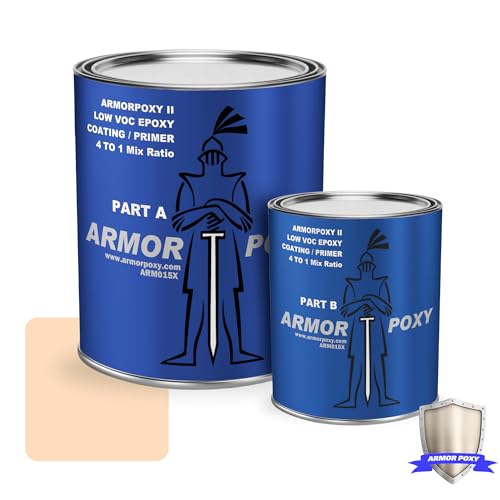
ArmorPoxy offers a low-VOC water-based epoxy primer suitable for concrete, wood, and masonry floors. It is designed for industrial, commercial, and residential use, with a fast tack-free time of 5-8 hours to support quick project turnover. The primer enhances coverage and ensures compatibility with ArmorPoxy epoxy colors and floor systems, enabling a seamless transition to topcoats. Its environmentally friendly profile makes it a practical choice for basements, offices, and other enclosed areas where air quality matters.
Rust-Oleum 338806 2PK Concrete & Garage Floor Primer

This ready-to-use, one-part, water-based primer primes interior or exterior concrete surfaces that have been previously painted or sealed. No sanding or grinding is required, saving time on preparation. Coverage reaches up to 400 square feet per gallon on smooth, previously sealed floors, and a topcoat can be applied after approximately 6 hours. It’s a practical option for homeowners tackling garages, shops, or basements requiring improved adhesion before epoxy coatings or paints.
Liquid Rubber Multi-Purpose Primer

Liquid Rubber’s Multi-Purpose Primer is a water-based, non-toxic bonding agent designed to improve adhesion on concrete and wood, among other substrates. It bonds strongly to common materials like high-density polyethylene while remaining fast-drying and easy to apply with brushes, rollers, or spray equipment. Apply 1-2 coats as needed and follow with a topcoat within 24 hours once tack-free. This primer is particularly suitable for DIY projects and light commercial installations where robust bonding is essential to prevent blistering.
Hydro Prime: Moisture Barrier and Penetrating Sealer

Hydro Prime by Slip Doctors is designed to seal concrete and masonry floors by blocking high moisture vapor transmission. This makes it an effective pre-coat for high-traffic areas—including pickleball courts, basketball courts, driveways, walkways, and patios—where moisture can affect coating performance. Beyond moisture control, it improves adhesion for topcoats like paints and epoxies, contributing to longer-lasting finishes in both indoor and outdoor settings.
Stone Coat Epoxy Undercoat

Stone Coat Countertops Epoxy Undercoat is a dedicated epoxy undercoat designed to prepare porous surfaces like MDF or plywood for epoxy resin kits. It helps build a firm, sealed foundation and enhances the final look and lifespan of epoxy projects, including countertops. The product is applied in two coats for optimal performance and is compatible with Stone Coat epoxy systems, ensuring a consistent, high-gloss final result when used with their kits.
Buying Guide: Key Purchase Considerations And Comparisons
When selecting an epoxy primer for concrete, several factors influence long-term success. This guide highlights the main considerations and how the top picks compare.
- Substrate compatibility: Concrete, wood, and masonry each respond differently to primers. If your project involves concrete floors with existing coatings, choose a product specifically formulated for concrete adhesion and compatibility with epoxy topcoats.
- Moisture management: Moisture-prone environments benefit from primers that reduce vapor transmission. For garages and basements, look for moisture-blocking properties to prevent coating failures.
- VOC and indoor air quality: Low-VOC formulations are preferable for indoor spaces and occupied facilities. ArmorPoxy emphasizes low VOC profiles suitable for enclosed areas.
- Drying and recoat windows: Fast tack-free times allow quicker project completion but may require precise scheduling for subsequent coats. Plan topcoat timing accordingly to avoid dust or contamination.
- Overcoat compatibility: Ensure the primer is compatible with the desired epoxy or topcoat system. Some primers are designed to pair with specific epoxy brands, while others offer broader compatibility.
- Application method and ease: Ready-to-use primers with no sanding or minimal preparation save time on prep work. If the surface has old coatings, a primer that tolerates light abrasion can help.
- Coverage and waste: Coverage varies by primer and surface condition. Estimate area carefully, accounting for porosity and irregularities to prevent shortages or over-application.
- Durability and use-case: For high-traffic areas, prioritize primers that strengthen adhesion and provide moisture resistance. For decorative or indoor projects, appearance and sealing properties may take precedence.
In practice, ArmorPoxy and Rust-Oleum offer reliable, low-VOC and user-friendly options for standard residential and light commercial work. Liquid Rubber and Hydro Prime emphasize adhesion and moisture control for challenging substrates and moisture-prone environments. Stone Coat Undercoat is ideal for DIY epoxy countertop systems where a robust foundation is essential. Selection should align with substrate condition, environmental factors, and the intended epoxy or topcoat system to achieve durable, long-lasting results.