Soldering copper pipe requires a reliable flux to ensure clean wetting, strong joints, and corrosion resistance. The following selections are among the best flux options on the market, chosen for copper piping applications, ease of use, and safety. This guide highlights five top products, a quick comparison, and practical buying considerations to help you choose the right flux for your needs.
| Product | Brand | Format | Key Benefit |
|---|---|---|---|
| LA-CO 22194 Water Soluble Copper Flux Paste | La-Co | 4 oz, paste | Water-soluble, non-acid, corrosion-friendly for plumbing |
| Essmetuin No Clean Soldering Flux Paste | Essmetuin | 10cc bottle | No cleaning required, non-corrosive dry, excellent wetting |
| Fluxuator Dual Head Flux Applicator | Fluxuator | Applicator with flux inside | Precision, reduced mess, easy reach areas |
| La-Co 22107 Regular Soldering Flux Paste | La-Co | 1 lb | Detergency action, broad compatibility for copper and metals |
| Ouwinway No Clean Flux Paste (4-pack) | ouwinway | 10cc per bottle, with wick | No-clean, easy flow, push-type design for less waste |
Note: This guide prioritizes fluxes suitable for typical plumbing copper pipe soldering, focusing on non-toxic formulations, ease of application, and reliable bonding. Consider your project scale, whether you need no-clean performance, and how you plan to apply flux in tight spaces or on vertical runs.
La-Co 22194 Water Soluble Flux Paste For Plumbing

La-Co 22194 is a water-soluble, all-weather flux paste designed for copper plumbing soldering. It is non-acid and non-toxic, aiming to minimize hazardous exposure. The paste format supports even coverage and reduces the risk of residue in water lines. It meets industry standards such as ASTM B813 and contains no zinc chloride, addressing corrosion concerns. The product is lead-free, making it suitable for systems where safety and environmental considerations matter. Its water-soluble nature makes cleanup relatively straightforward, though thorough rinsing is still advisable for best results in plumbing joints.
Application notes: Use a brush typical of flux application, ensuring uniform coat along copper surfaces before soldering. The flux’s non-acidic profile is gentler on copper fittings, while still promoting solder flow. For exposed water lines, verify complete removal of any remaining residues after the joint has cooled. Keep away from prolonged contact with skin and eyes, following standard safety practices for flux handling.
Essmetuin No Clean Soldering Flux Paste

Essmetuin No Clean Flux Paste is designed for copper pipe brazing and soldering, offering lead-free composition with excellent wetting. The paste is touted as no-clean, meaning minimal post-solder cleaning is required in many cases. It is non-corrosive and non-conductive in dry conditions, contributing to safety and reliability during the welding process. The product specifically emphasizes a pushing-type design that yields smoother flow and reduces waste. This flux is suitable for professional plumbing tasks where a clean post-solder environment is desired and quick workflow efficiency is important.
Considerations: While no-clean flux reduces cleanup, some applications may still benefit from a light rinse to remove flux residues from joints. Ensure compatibility with the solder alloy you plan to use, and review environmental considerations if you work in water lines or potable systems. If you’re working in tight spaces, the pushing mechanism can improve control and reduce the chance of over-application.
Fluxuator Dual Head Flux Applicator For Copper Pipe
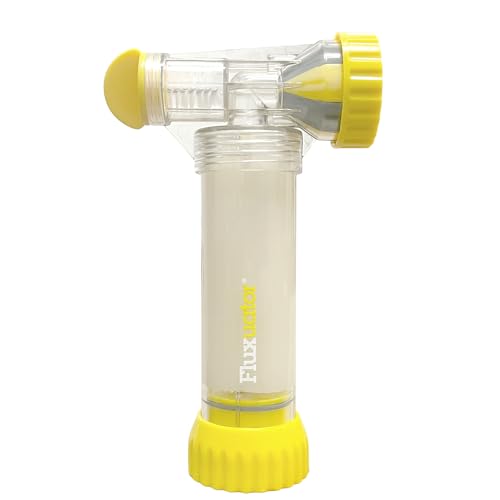
Fluxuator offers a dual-head flux applicator designed to enhance precision on copper pipe joints. The dual-head design allows for accurate coverage and helps ensure complete wetting of surfaces, reducing the risk of leaks at solder joints. A bristle head brush is included to reach stubborn areas, improving overall application quality. Flux is contained in a refillable canister, which minimizes contact and makes cleanup easier. The device’s click-system helps manage airflow and prevent over-fluxing, supporting consistent results across varied pipe sizes and configurations. This tool is valuable for plumbers and DIYers who prioritize controlled flux application in challenging spaces.
Usage tips: Ensure the flux is evenly distributed along the joint, including inner and outer surfaces. Use the bristle brush for hard-to-reach spots before heating. Maintain a steady pace while soldering to benefit from the flux’s lubricating properties, and wipe away any excess flux after the joint cools to prevent staining or residue on surrounding materials.
La-Co 22107 Regular Flux Paste, 1 Lb

La-Co 22107 Regular Soldering Flux Paste provides detergent-like cleansing action during soldering, helping to keep surfaces clean and promoting good solder flow. The formulation is non-acid, non-toxic, and lead-free, with no zinc chloride to reduce corrosion concerns. It supports use with a wide range of solders, including lead-free options, making it versatile for copper, brass, galvanized iron, and other common metals. The paste is designed for both professional and home use, delivering reliable performance across various pipe and fitting materials. Proper rinsing after soldering is still recommended to ensure any residues are removed from potable lines.
Practical notes: When working with copper pipes, apply a thin, even layer along the joint area prior to heating. Avoid applying excessive flux, as excess flux can burn or create unwanted residues. Always follow the solder manufacturer’s recommendations for compatibility with flux choice and cleaning requirements.
Ouwinway No Clean Flux Paste 4-Pack

Ouwinway’s flux paste set emphasizes no-clean performance with a 4-pack configuration, including no-clean flux paste and solder wick for cleanup tasks. The flux is designed to be non-corrosive and non-conductive when dry, aligning with safer handling practices in plumbing projects. The product highlights a push-type mechanism for smooth flux flow, reducing waste and improving control during soldering on copper pipes. The included wick helps address extra needs for de-soldering or ensuring complete joint coverage in restricted spaces. This set is well-suited for professionals who value streamlined workflows and consistent flux delivery.
Typical applications include joining copper pipes in residential or commercial plumbing where clean-up efficiency and reliable bonding are priorities. Always verify compatibility with your solder and fittings and observe proper ventilation when heating flux materials.
Buying Guide: Key Purchase Considerations For Copper Pipe Flux
- Residue and clean-up: No-clean fluxes save time but may require final inspection for potable systems. Water-soluble fluxes clean up more easily with water, yet may need thorough rinsing depending on local codes.
- Corrosion and safety: For plumbing, choose fluxes that are lead-free and free of zinc chloride to reduce corrosion risks. Non-acid formulas tend to be safer for copper fittings and fixtures.
- Wetting and flow: Fluxes with strong wetting promote better solder flow and joint integrity. Consider formulations that offer smooth, even coverage and minimal waste.
- Application method: Tools like dual-head applicators improve precision in tight spaces. No-clean and pushing-type designs can reduce cleanup and flux waste.
- Compatibility: Ensure the flux is compatible with your solder alloy (lead-free or conventional) and with copper, brass, or other metals involved in the project.
- Environmental and safety factors: Look for fluxes that are non-toxic and lead-free. Consider user safety, ventilation needs, and disposal requirements for flux residues.
- Scale and convenience: For larger projects, bulk flux pastes or kits with applicators and wicks can lower per-joint costs and improve workflow efficiency.
In summary, choose a flux that aligns with your plumbing project’s needs: a no-clean option for quick cycles, a water-soluble paste for easy rinsing, or a precision applicator for tight installations. Evaluating the joint environment, local codes, and the solder you plan to use will help determine the optimal flux selection for durable copper pipe joints.