If you’re repairing or joining plastic to wood, choosing the right adhesive is essential for a durable, nearly invisible bond. The adhesives below are selected for cross-material performance, including waterproofing, cure speed, and ease of use. This guide highlights five reliable options that perform well on both plastic and wood, with practical tips for best results.
| Product | Type | Key Benefit | Amazon Link |
|---|---|---|---|
| Gorilla Max Strength Construction Adhesive | Construction Adhesive | Gap filling, waterproof, very strong | Visit Product |
| Gorilla Original Gorilla Glue | Polyurethane Glue | Expands into materials, all-purpose, waterproof | Visit Product |
| Loctite Extreme Glue | All-Purpose Adhesive | Dries clear, anti-mess formula, strong bond | Visit Product |
| Protado Plastic Glue | Plastic Glue | Heavy-duty, quick cure for plastics, clear | Visit Product |
| ARKA Super Glue XL | CA Adhesive | Industrial-strength, fast cure, works on multiple materials | Visit Product |
Note: The table above highlights products that balance strength, ease of use, and compatibility with both plastic and wood. For best results, read each product’s surface prep instructions and cure times before use.
Gorilla Max Strength Construction Adhesive
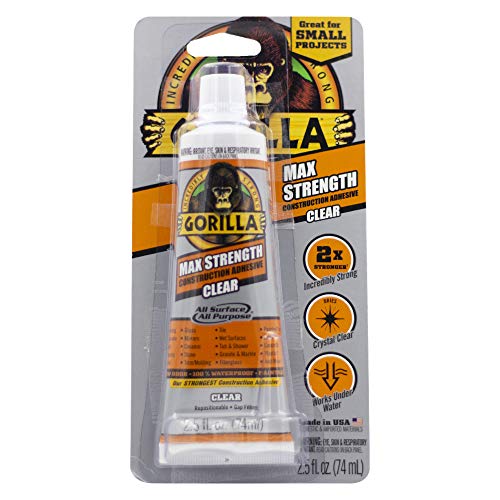
Gorilla Max Strength Construction Adhesive is designed for heavy-duty bonding where gaps exist or where a robust bond is required. It is 2x stronger than Gorilla Heavy Duty and forms a waterproof seal. The formula is designed to work on virtually any surface, making it a strong choice for securing plastic to wood in outdoor or indoor environments. For best results, apply to one surface, press firmly, and allow adequate cure time as indicated on the product packaging.
Gorilla Original Gorilla Glue

The original Gorilla Glue uses a water-activated polyurethane formula that expands into materials, forming a powerful bond. It’s suitable for wood, plastic, metal, ceramic, foam, and more. When cured, the glue is 100% waterproof and resistant to the elements, which helps with wood-to-plastic assemblies exposed to moisture. The expansion can fill irregular gaps, which is useful for uneven plastic surfaces that meet wood edges.
Loctite Extreme Glue

Loctite Extreme Glue is an all-purpose adhesive designed for a variety of surfaces, including wood and plastic. Its non-foaming formula allows precise application without creating a mess, and it dries clear for a neat finish. This makes it well-suited for projects where a discreet bond is desired, such as attaching plastic trim to a wooden frame or repairs that require a clean appearance.
Protado Plastic Glue

Protado Plastic Glue is engineered for repairing plastic items with a strong, invisible bond. It cures quickly (10-30 seconds) and is suitable for plastics such as ABS, PVC, PLA, nylon, and acrylic. The precision nozzle helps minimize drips, making it easier to apply in tight joints between plastic parts and wooden components. A full cure typically takes longer for maximum strength, so plan accordingly for load-bearing repairs.
ARKA Super Glue XL

ARKA Super Glue XL provides an industrial-strength cyanoacrylate bond that dries quickly and adheres to glass, plastic, wood, metal, and ceramic. Its larger 1.76-ounce bottle is designed for frequent repairs and workshop use. The glue performs well on vertical surfaces thanks to its non-drip formulation, which helps keep the bond clean when attaching plastic pieces to wood frames or furniture components.
Buying Guide: Key Purchase Considerations
When selecting a glue for plastic-to-wood bonding, consider the following factors to ensure reliable performance in your project:
- Material compatibility: Look for adhesives specifically rated for both plastic and wood. Polyurethane glues and cyanoacrylates sometimes require surface preparation or primers for optimal adhesion on plastics.
- Bond strength and gap filling: Adhesives marketed as gap-fillers or heavy-duty bonds are beneficial when joining uneven plastic edges to wood or when joints are not perfectly flush.
- Water exposure and weather resistance: Waterproof or water-resistant formulations are essential for outdoor furniture, garden projects, or items exposed to humidity.
- Drying and curing times: Faster cures are convenient but may require clamping or precise alignment. Rely on longer cure times for stronger, full-strength bonds.
- Application control: Non-drip, side-squeeze bottles, or precision nozzles help apply the adhesive exactly where needed, reducing mess and improving joint quality.
- Bond composition: Consider whether you want a rigid bond for structural purposes or a slightly flexible bond for vibration-prone assemblies.
- Ease of removal and repainting: Some bonds are harder to sand or paint over; choose accordingly if aesthetics or future disassembly are important.
For best outcomes, always prep surfaces by cleaning, drying, and lightly abrading the contact areas. Follow the manufacturer’s instructions for open time, curing time, and any recommended clamping or support during setting. In most cases, allow full cure before subjecting the joint to stress.