Choosing the right plastic adhesive can be a challenge, especially when you need a durable, nearly invisible bond. This guide highlights five high-performing glues designed to work with a variety of plastics—including ABS, PVC, PLA, acrylic, and more—while delivering fast setting, strong holds, and clean finishes. Whether you’re repairing toys, models, gadgets, or automotive parts, these options help you achieve professional results without the need for clamps or long cure times.
| Product | Brand | Key Strength |
|---|---|---|
| Protado Plastic Glue, 35g | Protado | Invisible, industrial-grade bond; fast 10-30s tack; cures in 24h |
| GH1200 (2-in-1) Plastic Glue | GH1200 | Built-in brush and nozzle; precise control; waterproof & temperature resistant |
| ALECPEA 30g Plastic Glue | ALECPEA | Tough bonding for difficult plastics; quick 15s set; full cure 24h |
| Krazy Glue Max Bond Gel EZ Squeeze | Krazy Glue | No-drip gel; bond in 10s; multi-surface versatility |
| POLIXEL Super Epoxy 2.8oz | POLIXEL | Heavy-duty epoxy for metal, plastic, and more; heat and water resistant |
Protado Plastic Glue, 35g: Ultra-Cast Bond for Plastics

Protado Plastic Glue is designed as a go-to solution for repairing damaged plastic items across a wide range of materials, including ABS, PVC, PLA, acrylic, nylon, and vinyl. The adhesive’s formulation aims to deliver seamless, invisible bonds that restore items to near-original condition, making it suitable for toys, models, furniture components, and automotive parts. The product emphasizes a strong initial tack, with users experiencing a rapid bond within 10-30 seconds, followed by a full 24-hour cure for maximum strength. The precision nozzle supports drip-free, detail-oriented application, ideal for hard-to-reach joints and delicate repairs.
Strengths include fast setup and clear bonding that minimizes visible repair lines. The resin’s compatibility with multiple plastics makes it a versatile choice for hobbyist restorations and professional DIY projects alike. For best results, ensure surfaces are clean and dry before applying an even coat and applying pressure for 10-45 seconds. A 24-hour cure period helps achieve the strongest possible bond, particularly for high-stress joints. The product’s water resistance adds resilience for components exposed to moisture.
GH1200 (2-in-1) Plastic Glue: Brush & Nozzle Precision

GH1200 expands on traditional cyanoacrylate formulas with a 2-in-1 delivery system that combines a built-in brush applicator and a precision nozzle. This dual-access design enables controlled application on small repairs or larger surface joints alike, reducing mess and making it easier to apply an even layer of adhesive. The formula emphasizes strong, long-lasting bonds that are waterproof and temperature resistant, ensuring reliability across a variety of environments. The brush remains useful for multiple projects, and the nozzle allows for rapid application on larger areas or edges.
Engineered for a clean bond, GH1200 aims to deliver a strong aesthetic: no excessive squeeze marks or drips. This is advantageous when working on visible parts of models, glass-like plastics, or items where cosmetic appeal matters. Users should apply a small amount, press surfaces firmly together, and allow a 10–45 second setting window, with full cure in 24 hours for peak strength. Gloves are recommended during handling to avoid skin contact with uncured adhesive.
ALECPEA 30g Plastic Glue: Fast-Set Model Adhesive

ALECPEA’s 30g plastic glue targets difficult-to-bond plastics with a robust formulation designed for a long-lasting grip. It is positioned as a versatile option for plastic models, electronics enclosures, acrylic assemblies, and other detailed applications where precision matters. The adhesive promises impressive strength, resisting bending and torsion while maintaining a clear appearance after curing. The set time is brief—about 15 seconds—yet full cure reaches maximum strength within 24 hours, balancing speed and durability for hobbyists and professionals alike.
For best results, apply a thin, even layer and press components together firmly. The adhesive remains flexible enough to accommodate minor joint movement without cracking. It is suitable for both hobby kits and more practical repairs, offering a dependable option when neat, fast-action repairs are required. Always ensure surfaces are dry and free of dust before bonding to maximize adhesion performance.
Krazy Glue Max Bond Gel EZ Squeeze: No-Run Plastic Bond
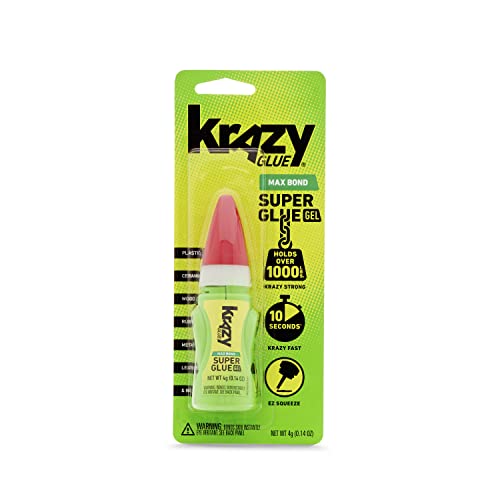
Krazy Glue Max Bond Gel EZ Squeeze provides an ultra-thick, no-run gel designed to fill gaps and form bonds on vertical or angled surfaces. The gel formulation minimizes dripping, making it ideal for repairing furniture, décor, and irregular joints where standard liquids would sag. It bonds quickly—typically within 10 seconds—for a rapid fix, and the cured bond is clear and sturdy across plastics, ceramic, wood, rubber, metal, and more. The gel’s strength supports a wide range of DIY tasks, from small household repairs to more ambitious restoration projects.
The product is especially useful when working on plastic components that are exposed to movement or stress, as the gel helps resist run-off and ensures more precise placement. As with all cyanoacrylate glues, wear gloves and work in a ventilated area. While fast-setting, allow 24 hours for a complete cure for maximum bond durability.
POLIXEL Super Epoxy: Heavy-Duty All-Purpose Adhesive

POLIXEL Super is a broad-spectrum epoxy designed for metal, plastic, glass, ceramic, and more. It offers a heavy-duty bond suitable for structural repairs, automotive panels, and other demanding applications. The two-component system provides a robust, heat- and water-resistant bond once fully cured, supporting use in challenging environments where moisture or temperature fluctuations might threaten weaker adhesives. It is particularly helpful for projects requiring a durable, rigid joint and where metal-to-plastic interfaces or complex assemblies are involved.
Working with epoxy requires careful mixing and longer cure times than cyanoacrylates, but the payoff is a very strong, enduring bond. Follow the manufacturer’s mixing instructions and apply within the working window to ensure optimal curing. The result is a resilient bond suitable for heavy-duty repairs and professional-grade results, with good resistance to environmental stressors.
Buying Guide: Key Purchase Considerations for Plastic Adhesives
- Material compatibility: Check which plastics the adhesive supports (ABS, PVC, PLA, acrylic, nylon, etc.). Some products perform better on hard, smooth plastics, while others handle filled or flexible plastics with ease.
- Bond strength and setting time: Determine whether you need a fast tack, a strong lasting bond, or a combination (for example, gel formulas that prevent dripping on vertical surfaces).
- Drying vs. curing: Some glues set quickly but require hours to cure fully. Epoxies may require mixing and longer cure, whereas cyanoacrylates cure rapidly but can become brittle in high-stress joints.
- Clarity and aesthetics: For visible joints, consider clear or color-matching adhesives to minimize appearance of repairs.
- Ease of application: Brush applicators, precision nozzles, or no-drip gels can minimize mess and improve accuracy on small or intricate parts.
- Water and heat resistance: If the repaired item will be exposed to moisture or temperature changes, verify environmental resistance.
- Safety and handling: Gloves, ventilation, and surface preparation are important. Some products require a longer cure time or specific surface prep for best results.
- Reversibility and repairability: Some glues are easier to remove or rework than others, which matters for electronics or delicate toys.
- Cost and quantity: Consider the expected number of repairs and whether a bulk pack provides better value without sacrificing performance.
When selecting a plastic adhesive, consider the project’s unique demands, such as exposure to water, temperature changes, or mechanical stress. For crafts and hobby projects, a fast-setting, low-odor gel or brush-and-nozzle option can be highly convenient. For structural repairs or professional-grade results, a two-component epoxy or a premium cyanoacrylate with long-lasting strength may be preferable. Always test on a small area first to verify bond quality and surface compatibility before proceeding with the full repair.