Metal roofs demand specialized heating solutions to melt ice, prevent damming, and protect gutters. This guide highlights five top heat cable products designed for metal roofs, with practical details on safety, installation, and performance to help homeowners choose confidently.
The following summary table lists the selected products and key attributes to consider at a glance.
| Product | Brand | Key Use | Length / Power |
|---|---|---|---|
| Metal Roof Clip Kit with Butyl Tape Pads | Radiant Solutions Company | Secure ice dam heating tape on metal roofs | 10 Pack |
| 30ft Roof Heat Cable | TOPDURE | Snow melting and ice dam prevention | 30 ft, 5W/ft, 120V |
| 155ft Roof Heat Cable | Eastrexon | De-icing for roof and gutters | 155 ft, 8W/ft |
| Heat Cable With Clips & Spacers | WarmlyYours | Ice dam prevention for roofs and gutters | 100 ft, 5W/ft |
| 50ft Roof and Gutters Heating Cable | HEATIT | Self-regulating heat cable for roofs and gutters | 50 ft, 8W/ft |
Radiant Solutions Company Metal Roof Clip With Butyl Tape Pads
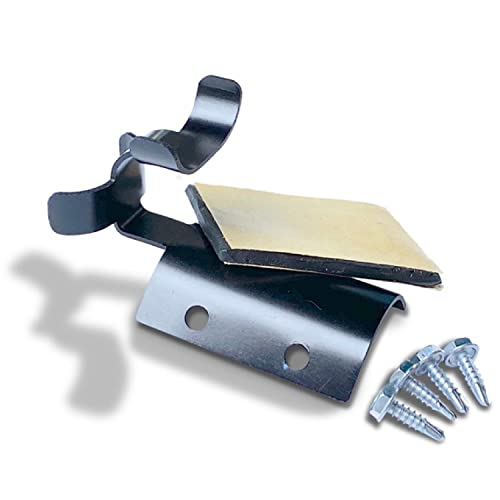
These black-anodized aluminum roof clips are designed to secure ice dam heating tape and heat cables along the rounded peaks of metal roofs. The clips help prevent ice dam formation and facilitate efficient drainage in gutters and eaves. They are compatible with major heat cable brands and come with self-tapping screws and butyl adhesive strips for easy installation on common metal roof profiles, including corrugated and trapezoidal panels. The robust construction aims to withstand harsh weather while keeping tape in place for effective de-icing.
Key features support safe and durable mounting: versatile applicability to different heat-cable systems, secure anchoring on metal roofs, and included hardware for a fast, reliable installation. For homeowners, these clips simplify cable routing and reduce movement that can lead to uneven heating or sagging of heat tape along roof lines.
TOPDURE 30ft Roof Heat Cable, 5w/ft

This 30-foot heating cable delivers 5 watts per foot and is designed to prevent ice dams on metal or plastic gutters and roofs. The product emphasizes safety with ETL and CSA certifications, and their plug is UL certified, offering comprehensive compliance for North American standards. The system is suitable for metal roof gutters, downspouts, and various roof profiles, helping ensure continuous water flow and reducing the risk of leaks during winter.
The cable’s self-regulating design adjusts heat output to ambient temperatures, aiming to avoid overheating while maintaining effective de-icing. It’s positioned as a versatile option for different roof setups, including noncombustible shingles, and comes in lengths that fit many residential configurations. Installation considerations include securing the cable along eaves or in gutters and following local electrical codes for outdoor use.
Eastrexon Heat Tape For Roof And Gutters

The Eastrexon 155-foot heat tape provides an extensive length designed to cover larger roof spans and gutters. The 60-piece clip and spacer kit aids installation, while the self-regulating heat cable uses an AL-MG alloy wire with multiple protective layers. The system is engineered to prevent ice dams and to sustain proper water flow through gutters and downspouts, even in frigid conditions. A power cord length of about 9.8 feet offers practical reach for typical installations.
With four-layer safety design, the product emphasizes durability and weather resistance. It is positioned as a comprehensive solution for homeowners seeking long runs of heat tape, particularly on metal roofs where longer coverage helps maintain clear drainage lines during heavy snowfall. Consider pairing with compatible clips and anchors to ensure secure placement along roof edges and gutters.
WarmlyYours Roof Snow De-Icing Heat Cable

This 100-foot kit provides 5 watts per foot of consistent heat for roof and gutter de-icing, supporting metal or plastic gutters and inclined roofs. The kit includes a plug-in heat cable along with clips and spacers to fit a range of layouts. It is designed for DIY installation and aims to help prevent ice dams before they form, potentially reducing roof and gutter damage. The self-regulating features adjust heat output to conditions, aiding energy efficiency in winter.
Key considerations include the length available to cover long rooflines, compatibility with existing gutters, and ease of installation without professional help. The included clips and spacers simplify mounting, while the plug-in design offers straightforward operation for many homeowners. As with all de-icing systems, planning for safe outdoor electrical connections and weatherproofing is essential.
HEATIT 50ft Roof And Gutters Heating Cable

This 50-foot heat cable offers 8 watts per foot and full ETL certification for safety. The product highlights adaptable use across multiple roof types, including metal and flat roofs, as well as various shingles and even some non-traditional materials. The self-regulating technology helps maintain safe temperatures without overheating, making it suitable for protecting roof edges, gutters, and water inlets during cold weather. It’s marketed toward both residential and light commercial applications, with emphasis on reliability and compliance.
Practical considerations include ensuring the entire cable system is certified (not just the plug), planning for sufficient power supply in outdoor outlets, and selecting a length that matches the roof and gutter span. The cable’s versatility makes it a convenient choice for varied roof designs, but proper installation remains critical for optimal performance and safety.
Buying Guide: Key Purchase Considerations
- Length and coverage: Measure roof and gutter spans to select a cable length that provides complete coverage without excessive waste. Longer runs may reduce joints and potential failure points.
- Power rating: Higher wattage (per foot) yields faster de-icing but may require more energy. Self-regulating cables adjust heat automatically, offering efficiency benefits in fluctuating temperatures.
- Roof compatibility: Ensure the cable is suitable for metal roofs and compatible with your specific panel profile (corrugated vs. trapezoidal) for secure mounting.
- Safety certifications: Look for ETL and CSA/UL certifications covering the entire system (cable and plug). Fully certified products are safer and more reliable in freezing conditions.
- Installation method: Clip-and-adhesive options vary in durability. Consider the installation environment (wind, precipitation) and whether nails, screws, or adhesives are preferred or required by local codes.
- Durability and weather resistance: Choose cables with robust outer jackets and protective layers to withstand ice, snow, moisture, and UV exposure over time.
- Electrical planning: Outdoor-rated outlets, GFCI protection, and weatherproof enclosures are important. Plan wiring to minimize tripping hazards and ensure accessibility for maintenance.
- Maintenance and replacement: Check for visible wear, insulation damage, or loose clips after storms. Keep spare clips or spacers on hand to address seasonal adjustments.
- Cost versus value: While higher-end options may have higher upfront costs, they often offer longer life, better safety, and easier installation, lowering total cost of ownership over time.
- Multi-protection approach: For large homes, consider a combination of clips, long runs, and spacing strategies to ensure uniform heat distribution across roof edges and gutters.