Choosing the right duct insulation improves comfort, reduces energy use, and limits condensation and noise. This article highlights top options designed to meet common HVAC needs—from radiant barriers to moisture-resistant wraps and rigid panels. Each product is evaluated for performance, installation, and suitability across residential ducts and sheet metal systems. Explore reputable choices and practical buying tips to help you select insulation that performs well in American homes.
| Product | Brand | Key Benefit |
|---|---|---|
| SmartSHIELD -5mm Foam Core Reflective Insulation Roll | INSULATION MARKETPLACE | Radiant barrier and vapor protection |
| Duct Insulation 1-1/2″ x 48″ x 25 Ft | JOHNS MANVILLE INTL | Foil-faced fiberglass wrap with moisture resistance |
| F&L Johns Manville Duct Insulation Panel | F and L Aluminum Parts | Rigid insulation with high R-value and moisture barrier |
| Cuchiilo 4 Inch Insulated Flexible Duct | Cuchiilo | Flexible, insulated ducting with glass wool and high temp rating |
| 48 x 25ft Reflective FOIL FRK Fiberglass Duct Insulation | Trade Winds | Frk vapor retardant facing for condensation control |
Below are in-depth reviews of five selected products most relevant to Best HVAC Duct Insulation. Each section provides a concise overview, installation notes, and how the insulation contributes to system efficiency and comfort.
SmartSHIELD Reflective Duct Insulation

The SmartSHIELD roll uses a foam core with a pure aluminum reflective surface, delivering a strong radiant barrier. It reportedly reflects up to 97% of radiant energy, which can translate to lower heat gain or loss in duct runs. With a one-layer R-value near 15.7 and up to 21.1 for two layers, this option is designed for systems where radiant heat transfer is a major concern. The product also serves as a vapor barrier, helping prevent condensation in humid climates, and can act as a sound deadener to reduce duct noise. Suitable for retrofit projects or new installations where high radiant protection is desired. Installation involves wrapping ducts with the foam core and sealing seams to maximize vapor and radiant performance.
JOHNS MANVILLE 1-1/2″ Duct Insulation Wrap
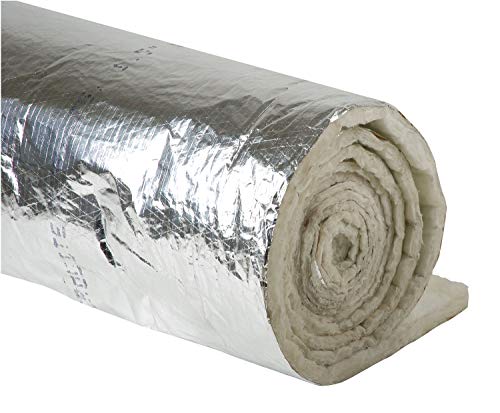
This Johns Manville wrap features foil-scrim-kraft facing and a 1-1/2-inch thickness, designed for round or rectangular ductwork. The wrap is rated for a broad temperature range and adheres to several standards, including ASHRAE and NFPA guidelines, contributing to energy efficiency and moisture resistance. With an approximate R-value of 4.2 for the 1-1/2″ thickness, it serves well for standard residential ducts needing straightforward insulation with reliable moisture control. The product is manufactured in the United States and suitable for both new builds and retrofit projects where a wrapped duct solution is preferred.
F&L Johns Manville Duct Insulation Panel
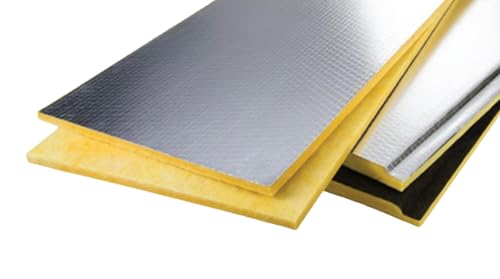
The F&L DC insulation panel uses durable fiberglass with a foil-scrim-kraft (FSK) facing, reinforcing moisture resistance and durability. It offers an approximate R-value around 6.5, providing better thermal resistance for rigid duct sections and sheet metal installations. The reinforced outer jacket helps meet code requirements and provides additional protection in environments where moisture exposure is a concern. Its rigidity makes it a practical choice for long duct spans or fixed installations where a panel solution suits the duct geometry.
Cuchiilo 4 Inch Insulated Flexible Duct

This product provides a 4-inch flexible insulated duct with a glass fiber insulation layer and an aluminum jacket. It is designed to withstand higher temperatures and resist corrosion, offering a R4.2 rating typical for flexible ductwork. The interior insulation aids in reducing heat transfer and maintains air temperature within the duct, contributing to energy efficiency and comfort. The flexible design supports easier installation in tight spaces and around bends, reducing the need for additional fittings and minimizing air leaks.
Trade Winds 48″ x 25ft Reflective FRK Duct Wrap

Trade Winds offers a reflective soft-R FRK duct wrap with a fiberglass core, factory-laminated to a vapor-retarder facing. The FRK facing and reflective surface help minimize condensation on cooled ducts and reduce radiant heat transfer in hot environments. This solution aligns with NFPA 90A and 90B energy codes, providing a practical option for homeowners seeking straightforward installation and reliable moisture control while maintaining thermal comfort in both new construction and retrofit projects.
Buying Guide: Key Purchase Considerations
- R-Value and Heat Transfer: Higher R-values reduce heat loss or gain in duct runs. Consider whether you need a high-R wrap for long runs or radiant barrier for prepaid energy savings in extreme climates.
- Moisture Control: Vapor barriers and moisture-resistant facings help prevent condensate formation. This is essential in humid regions and near air conditioning condensation zones.
- Moisture and Mold Risk: Foil-faced and FRK-backed solutions provide durable moisture resistance and support building code requirements for moisture management.
- Thermal Stability and Temperature Range: Ensure the insulation is rated for the duct temperatures in use, including supply air temperatures and outdoor exposure if ducts run in garages or attics.
- Installation Type: Consider whether you prefer wraps, rigid panels, or flexible duct insulation. Wraps and panels can offer strong barrier properties, while flexible duct insulation simplifies installation in tight spaces.
- Fit and Compatibility: Duct size, shape, and material (rigid sheet metal vs. flexible ducts) influence the best insulation approach. Verify thickness and width to minimize waste and ensure proper coverage.
- Code Compliance: Look for products meeting NFPA standards or other local mechanical energy codes. This guides safety and performance expectations for homes and renovations.
- Durability and Longevity: Durable facings and robust outer jackets extend service life in challenging environments, reducing maintenance needs.
- Cost and Replacement Cycles: While not included here, evaluate total installed cost relative to energy savings and expected lifespan for a clear return on investment.
- Environmental and Health Considerations: Some insulation materials use glass fibers or aluminum foils. Check certifications or safety data if sensitivities are a concern for occupants or installers.
These considerations help compare products with different constructions, such as radiant barrier rolls, foil-faced fiberglass wraps, rigid insulation panels, and flexible insulated duct sections. When selecting, align product attributes with climate, duct layout, and installation constraints to optimize efficiency and comfort in American homes.