The crawl space demands protective gear that stays comfortable through long kneeling periods and tight spaces. This guide highlights top knee pads designed for construction, flooring, gardening, and inspection tasks often required in crawl spaces. Each option balances padding, fit, and durability to reduce knee stress and improve stability in cramped environments. Review the five best choices below, followed by a practical buying guide to help you pick the right set for your needs.
Summary of chosen products:
- NoCry Professional Construction Knee Pads with Ankle Support — Thick foam and gel cushioning; anti-slip cap; reinforced straps
- REXBETI Knee Pads for Work — Extra-thick gel and high-density foam; strong stretchable straps; PVC shell
- BALENNZ Professional Knee Pads for Work — Gel padding with EVA foam; breathable; double-strap design
- NoCry Professional Work Knee Pads with Ankle Support — Gel padding; anti-slip cap; reinforced thigh & shin straps
- Bodyprox Protective Knee Pads — Thick sponge; ergonomic, lightweight design; unisex sizing
NoCry Professional Construction Knee Pads with Ankle Support

Designed with a lower ankle lip, these knee pads aim to increase stability during prolonged kneeling, a common requirement in crawl spaces. The model combines a dual-layer gel and high-density foam core to deliver soft yet resilient cushioning, helping to minimize joint stress when you creep along joists or work around tight obstructions. The anti-slip TPR cap improves surface grip, while reinforced nylon stitching and breathable polyester mesh survive demanding environments. The knee pads also feature adjustable straps to accommodate different leg sizes and movement patterns, making them a versatile option for varied crawl space tasks.
REXBETI Knee Pads for Work

These knee pads emphasize a robust construction suitable for harsh crawl-space environments. They feature extra-thick gel with high-density foam for maximum comfort and knee protection during long kneeling sessions. The secure fit comes from strong hook-and-loop straps and a thigh-support design that keeps the pads in place as you switch positions or crawl through narrow gaps. A heavy-duty PVC shell with reinforced stitching underlines durability, while the extended strap length offers additional adjustment range for larger users or more demanding work sequences.
BALENNZ Professional Knee Pads for Work
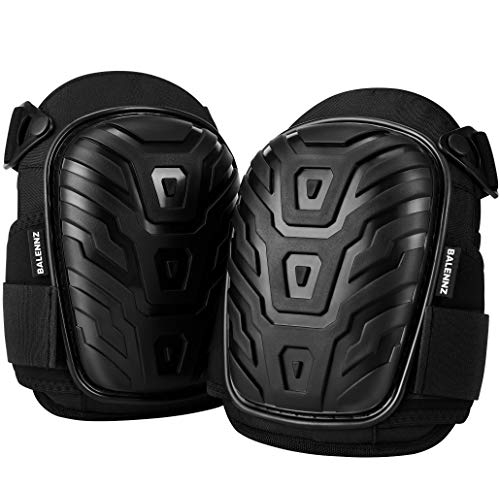
These knee pads combine a gel core with EVA foam padding to deliver comfort in extended crawl-space projects. The soft gel and foam cushion helps reduce pressure on the kneecaps while maintaining a breathable profile. A double-strap design secures the pads firmly in place, with reinforced materials designed for indoor and outdoor tasks such as flooring, carpentry, or roofing. The pads are built to withstand long-term wear, making them a solid choice for frequent crawlers who need dependable knee protection without overheating the legs.
NoCry Professional Work Knee Pads with Ankle Support

This NoCry model emphasizes ankle support to reduce knee and leg strain when kneeling in awkward crawl-space corners. The anti-slip cap is designed for reliable grip on uneven surfaces and debris-filled floors, enhancing protection during crawls on concrete or plywood subfloors. The pads feature dual-layer gel plus high-density EVA foam for everyday comfort and protection. An included sizing guide helps ensure the best fit, which is important for people who move or crawl in tight spaces for extended periods.
Bodyprox Protective Knee Pads
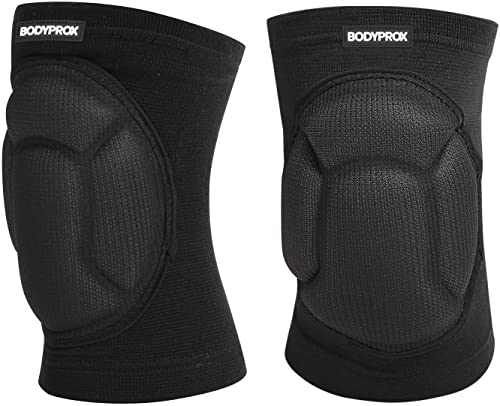
Bodyprox knee pads offer a unisex design with high-density foam inside a breathable fabric shell. The ergonomic, lightweight construction makes them suitable for crawl space work where mobility is essential. They come as a pair and are a straightforward option for users who need reliable kneepProtection without complex adjustment features. The design focuses on comfort and ease of use, ideal for short-term tasks or users who frequently switch between kneeling and standing during inspections, routing, or light installation work.
Buying Guide: Key Purchase Considerations
- Protection level and padding: Look for a gel or foam core with reinforced outer shells for impact resistance. Triple-layer or multi-layer padding generally provides longer-lasting comfort for long projects.
- Fit and adjustability: Pay attention to strap design and length. Longer straps or thigh-support options help keep the pads in place when crawling in tight spaces or shifting positions.
- Cap and shell materials: A durable anti-slip cap (often TPR) helps secure grip on dirty or uneven surfaces. A tough outer shell protects against nails, screws, and rough flooring typical in crawl spaces.
- Breathability and comfort: Breathable mesh or venting reduces heat buildup, which is important for extended wear. Gel padding tends to stay cooler and contour to the knee.
- Durability and construction: Reinforced stitching and high-quality nylon or PVC shells extend the lifespan in harsh work environments, including dusty crawl spaces and damp basements.
- Size and compatibility: Consider leg circumference and knee height to ensure a snug fit. Some models list size guides to help find the right size for men and women.
- Usage scenarios: Indoor tasks like flooring and tiling or outdoor work such as roofing and gardening may benefit from different padding densities and strap configurations.
- Maintenance: Easy-to-clean pads with removable liners or breathable fabrics simplify upkeep after exposure to dust, concrete, or moisture.
Versatility versus specialization
High-density foam and gel cushions deliver comfort for long kneeling, which is common in crawl-space inspections and installations. However, some jobs may require extra ankle support or a thicker cap for stability on uneven surfaces. In tight crawl spaces, a compact, low-profile pad might be advantageous, while a larger pad offers more surface protection on open areas. When choosing, weigh comfort against mobility and the specific challenges of your crawl-space projects.
Fit guidance and safety notes
Measure your leg around the area 4 inches above and below the knee to pick the correct size. If you work wearing knee pads for extended periods, prioritize models with ankle support and snug thigh straps to prevent slippage. Avoid knee pads that are too tight, which can increase circulation problems, or too loose, which can reduce protective coverage.