Removing lead-based coatings requires careful selection of products designed to penetrate multi-layer paints while minimizing dust and exposure. The following picks are among the most trusted on the market for older homes, offering heavy-duty removal, encapsulation, and safer application methods. Below you’ll find concise product highlights, a quick comparison, and practical buying guidance to help you choose the right option for your project.
| Product | Type | Best For | Notes |
|---|---|---|---|
| Peel Away 1 Paint Remover – Heavy Duty | Paint stripper system | Up to 30 layers, multiple surfaces | Complete kit under the lid; oil/alkyd paints |
| INSL-X Lead Block | Encapsulating primer | Lead encapsulation on interior/exterior | Easy brush/roller/spray application |
| Dumond Lead Seal ‘n Stop Encapsulant | Lead encapsulant coating | Long-term protection for family safety | Water-based, versatile on many surfaces |
| 3M Paint and Rust Stripper 4 in | |||
| Note: Additional product entry | Rust/paint stripper | Metal, wood, plastics | Flexible abrasive disc |
Note: The table above summarizes product categories and primary uses for lead paint remediation. The following sections provide in-depth product details, practical applications, and considerations to help you decide which option aligns with your project scope, surface type, and safety requirements.
Peel Away 1 Heavy Duty Paint Remover

Peel Away 1 is designed for heavy-duty paint removal and is marketed as effective on older coatings, including lead-based paints. The system ships with multiple components, including exposed papers and neutralizers, intended to facilitate a thorough removal process. The product’s core claim is its ability to penetrate multiple paint layers—potentially up to 30 layers in a single application—without relying on harsh solvents that can generate hazardous fumes. This capability makes it a fit for projects involving thick, aged coatings on diverse substrates such as wood, brick, stone, and concrete. The kit approach may save time on larger jobs, though surface preparation and ventilation remain critical. Always follow label directions for safe use and proper disposal of treated materials.
Key considerations:
- Surface compatibility varies; test small areas first.
- Requires careful handling and protective gear due to chemical activity.
- Comes as a complete system, including papers and neutrals for residue management.
INSL-X Lead Block Encapsulating Primer

Lead Block is an encapsulating acrylic that seals in lead-based paints on surfaces previously coated. It serves as both a lead paint encapsulation primer and top coat, offering a straightforward, brush-friendly application that minimizes lead dust risk during future disturbances. While not a stripper, this product is well-suited for interior and exterior projects where immediate removal isn’t feasible or desired, but long-term containment is a priority. The formula is designed for easy coverage, and surface compatibility includes wood, masonry, and metal substrates.
Important considerations:
- Follow up with compatible topcoats to achieve final finish.
- Test adhesion on problem substrates before full-scale use.
- Effectiveness depends on proper surface preparation and curing time.
Dumond Lead Seal ‘n Stop Encapsulant Coating

Lead Seal ‘n Stop is a water-based encapsulant designed to create a durable barrier that reduces lead dust release from cracking or peeling coatings. The product emphasizes long-term protection on a wide range of surfaces, including wood, brick, metal, stucco, and plaster. Its elastomeric seal helps prevent lead particles from becoming airborne, a crucial consideration for indoor environments. This encapsulant can be applied indoors and outdoors, making it a flexible option for projects with varying exposure conditions.
Key points to evaluate:
- Choose the appropriate gallon size for your project scale.
- Ensure complete coverage to form an effective barrier.
- Consider ventilation and cure times according to climate and surface type.
Dumond Lead Seal ‘n Stop Encapsulant – 1 Gallon

This larger 1-gallon option provides the same protective encapsulation as the smaller container, suitable for more extensive projects or multifamily units. The encapsulant’s water-based formula aims to minimize odor and simplify cleanup, while its elastomeric barrier helps seal lead-containing coatings to reduce airborne exposure. It remains compatible with various substrates, including wood, brick, metal, fiberglass, plaster, and stucco. As with other encapsulants, achieving a durable seal depends on thorough surface preparation and consistent application.
Practical considerations:
- Plan for proper storage and avoid freezing or extreme heat.
- Consider compatibility with existing or planned topcoats.
- Adhere to safety guidelines to prevent dust generation during prep work.
3M Paint and Rust Stripper, 4 in
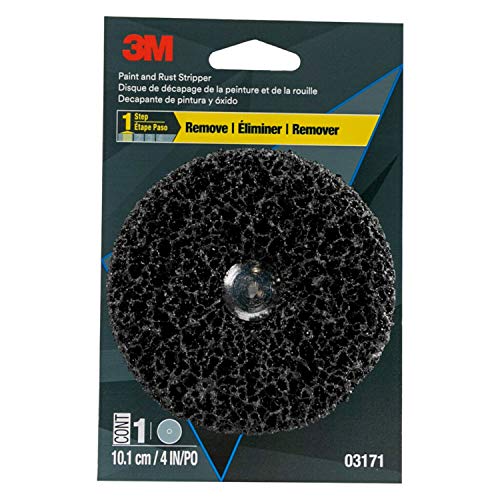
The 3M Paint and Rust Stripper is a versatile abrasive disc intended for removing rust, scale, and old paint from metal surfaces. While not a dedicated lead paint remover, it is useful for surface preparation when planning to apply encapsulants or primers. The disc is designed to work on metal, wood, fiberboard, and plastics, with a flexible non-woven nylon fiber that resists rust and splintering, reducing the risk of introducing contaminants into the work area. This tool can complement larger remediation efforts by ensuring clean, stable substrates before coating or sealing.
Practical considerations:
- Use with appropriate safety gear to manage dust and debris.
- Test on an inconspicuous area to confirm compatibility with the substrate and finish.
- Pair with sealants or encapsulants for best long-term results on lead-contaminated work.
Buying Guide: Lead Paint Remediation Options
When selecting products for lead paint remediation, consider the following perspectives to match your project, safety goals, and surface types:
- Remediation approach: Choose between removal systems (like Peel Away) for aggressive stripping or encapsulants (INSL-X, Dumond) for long-term containment. Removal lowers the lead risk by eliminating coating layers, but encapsulation confines lead hazards for ongoing safety when removal is impractical.
- Surface compatibility: Different substrates—wood, brick, metal, concrete—have varying responses to removers and encapsulants. Always test in a small area and check product compatibility with the intended topcoat or finish.
- Safety and ventilation: Lead paint work requires PPE, proper ventilation, and dust control measures. Ensure containment, surface sealing, and waste disposal follow local regulations and label instructions.
- Long-term protection: Encapsulants offer durable barriers but require proper surface prep and periodic inspections for integrity. Removal products demand cleanup and disposal planning for painted debris and residues.
- Project scale and timing: For large jobs, a complete removal kit may save time but necessitate more upfront preparation. For smaller areas or risk-managed projects, encapsulation can be more efficient and safer when performed correctly.
- Finish considerations: After encapsulation, plan for a compatible finish layer—primer, topcoat, or sealant—per surface and climate conditions to ensure adhesion and durability.
- Regulatory compliance: Follow local health and safety regulations for lead-based paint work, including containment, cleanup, and disposal requirements. Documentation of product usage can be helpful for inspections or renovations.
These options provide a spectrum of strategies from aggressive removal to containment. Selecting the right combination depends on project scope, surface types, and safety priorities. Always follow the product label directions, use appropriate PPE, and consider consulting a licensed professional for complex or high-risk scenarios.