JINSINA 60T 10-Inch Metal Cutting Blade
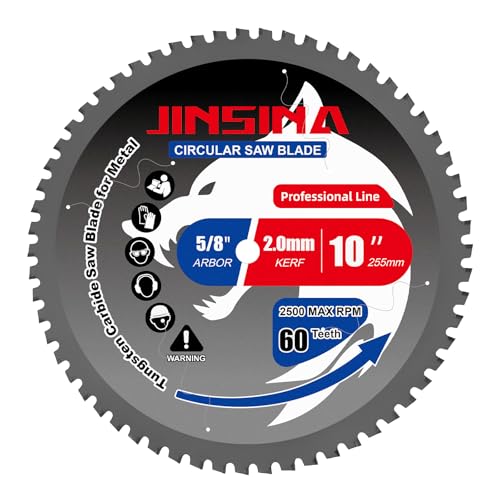
The JINSINA blade is a 10″ tungsten carbide tipped (TCT) tool designed for ferrous and non-ferrous metal cutting. With a 60-tooth configuration and a 5/8″ arbor, it supports high RPMs up to 2500, making it suitable for miter saws, slide miter saws, and various table saw setups. Its ATB design aims to reduce cutting resistance and provide smoother cuts on hard metals.
TOMAX 80T 10-Inch Metal Blade

This TOMAX 10-inch blade uses 80 carbide teeth for aluminum and non-ferrous metals. It features a 5/8″ arbor and an electrophoretic coating to reduce rust and corrosion. The blade is designed for efficient cutting in construction-grade metal work and metal alloy applications, offering durability for extended use.
IVY Classic 10-Inch Metal Cut-Off Blade
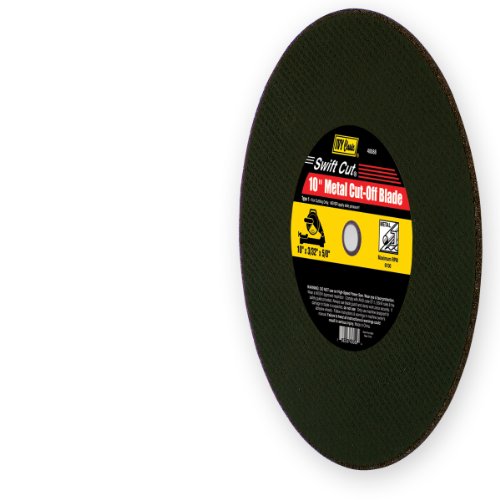
The IVY Classic blade is designed for cutting steel, angle iron, and sheet metal. It uses a resin-bonded aluminum-oxide grain and features a fiberglass-reinforced construction for safety and durability. This Type 1 blade is intended for chop saw use and prioritizes rapid cutting with reduced risk of breakage.
TOMAX 12-Inch 100T Metal Blade
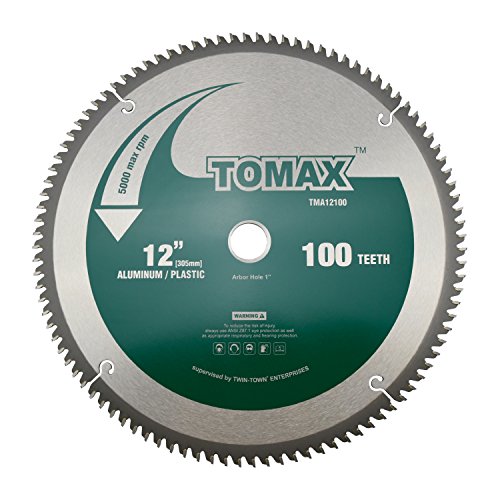
Designed for aluminum and non-ferrous metals, this 12″ TOMAX blade uses 100 teeth with a 1″ arbor. The carbide teeth provide long life and excellent wear resistance, while the coating helps minimize corrosion and enhances stability during extended cuts.
FOXBC 100-Tooth 10-Inch Blade

The FOXBC 100-tooth blade is tailored for aluminum and non-ferrous metal cutting, featuring a 5/8″ arbor and a kerf of about 0.095″. Its high-density tungsten carbide construction offers toughness and wear resistance, with improved vibration management for cleaner cuts in thin and moderately thick metals.
Buying Guide
- Material compatibility: For ferrous metals (steel, iron) and non-ferrous metals (aluminum, brass), select blades marketed specifically for metal cutting with carbide teeth for durability.
- Tooth configuration: Higher tooth counts (e.g., 60–100T) yield smoother finishes in thin sections but may cut slower in thicker pieces. Lower tooth counts cut faster but with rougher edges.
- Arbor size and compatibility: Most miter saw blades use a 5/8″ arbor; verify your saw’s arbor diameter and whether spacers are needed for 1″ or other arbors.
- Coatings and coatings quality: Electrophoretic coatings and rust inhibitors extend blade life by reducing corrosion when cutting metals, especially in humid environments.
- Kerf and cut quality: Narrow kerfs reduce waste and can minimize power draw, but ensure the blade stiffness supports straight cuts on your machine.
- ATB vs. TC designs: Alternate top bevel (ATB) teeth are common for metal cutting; tungsten carbide tips improve wear resistance for long service life.
- Use-case alignment: Some blades are optimized for chop saws, others for miter saws or table saws. Match the blade to your tool type and the metal work you perform.
- Safety and construction: Look for fiberglass-reinforced bodies and reinforced shoulders to reduce blade breakage risk at high RPMs.
Notes on Performance and Selection
When choosing a metal cutting blade for a miter saw, consider the metal type you work with most often and the thickness of the pieces. Blades with 60–80 teeth offer balanced performance for aluminum and other non-ferrous metals, while 100-tooth blades excel in finishing cuts with minimal tear-out on thin sheets. For steel and ferrous metals, blades with robust carbide teeth and ATB or trapezoidal tooth designs help manage heat and ensure smoother cuts. Ensure your saw’s RPM range matches the blade recommendations to maximize lifespan and safety.
Product Summary
| Product | Brand | Key Feature |
|---|---|---|
| JINSINA 60T 10-Inch | JINSINA | ATB, 5/8″ arbor, up to 2500 RPM |
| TOMAX 80T 10-Inch | TOMAX | Aluminum/Non-Ferrous, rust-reducing coating |
| IVY Classic 40088 | IVY Classic | Type 1, fiberglass-reinforced, ferrous metal focus |
| TOMAX 100T 12-Inch | TOMAX | Aluminum/Non-Ferrous, 1″ arbor |
| FOXBC 100-Tooth 10-Inch | FOXBC | High-density carbide, kerf 0.095″ |