If you’re just starting in woodworking, a reliable planer helps you achieve smooth, even boards without hassles. The right tool should balance power, ease of use, and durability while keeping your budget in check. Below is a curated selection of beginner-friendly planers that pair straightforward operation with solid performance. Each entry includes a quick look at its strengths and standout features to help you choose confidently for your first projects. The table summarizes the featured models for a fast comparison.
| Product | Brand | Key Benefit |
|---|---|---|
| WEN 6534 8-Amp | WEN | Great for wide boards; plenty of depth stops |
| WEN 6530 6-Amp | WEN | Compact with effective rabbeting option |
| Amazon Basics Hand Planer | Amazon Basics | Budget-friendly with proven control |
| Jorgensen Mini Wood Planer | Jorgensen | Portable, detail-friendly for small jobs |
| DEWALT 13-Inch Planers | DEWALT | Balanced power and precision for mid-size projects |
Below you’ll find five beginner-friendly options arranged to help you compare capabilities, cutting depth, and overall usability. Each product section includes a brief overview, notable features, and guidance on what makes it a strong choice for newcomers to planing.
WEN 6534 8-Amp Electric Hand Planer — Wide, Powerful, Easy Depth Control
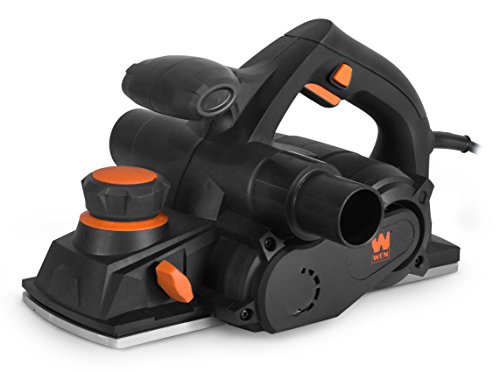
The WEN 6534 delivers a strong performance for beginners who need to tackle larger planing tasks. Its 8-amp motor supports up to 32,000 cuts per minute, enabling rapid material removal while maintaining control. A 4-3/8-inch cutting width supports common finishes on 2x4s and similar stock, reducing the need for multiple passes. With 16 positive stops, users can dial in precise depths from 0 to 1/8 inch, helping new woodworkers develop confidence with repeatable results. The combination of power and dependable depth adjustment makes it a versatile choice for standard first projects such as cabinet faces, door edges, and shelving boards. Consider this model if you anticipate working with a mix of wider stock and depth-critical tasks.
WEN 6530 6-Amp Electric Hand Planer — Compact, Debossed for Rabbeting
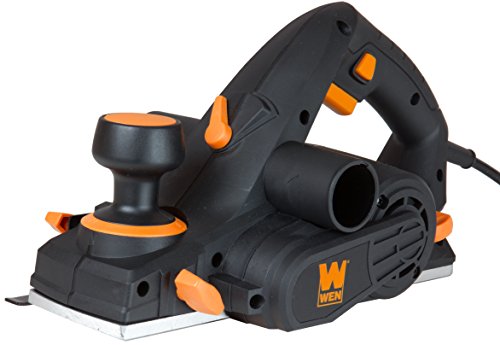
This model offers a compact footprint without sacrificing essential performance. The 6-amp motor produces up to 34,000 cuts per minute, making light work of smoothing and edging tasks typical for beginners. It includes 16 positive stops that let you set depths from 0 to 1/8 inch, supporting consistent results across multiple passes. A notable feature is the rabbet capability with a 5/16 inch guide, which allows you to create rabbets up to 1 inch in size—handy for joining panels or crafting simple cabinetry. Ideal for small workshops or projects where mobility and ease-of-use are priorities.
Amazon Basics Woodworking Hand Planer — Value Oriented No.4

The Amazon Basics No.4 adjustable bench plane offers a high-value entry point for beginners. Its cast iron body provides stability and smooth operation, while an impact-resistant plastic handle offers comfortable, controlled handling for long sessions. The included 2-inch blade is suitable for smoothing tasks and light stock preparation. As a budget-friendly option, this planer suits hobbyists or casual DIYers who want to practice hand tool technique without committing to heavier power tools. It’s well-suited for planing small boards, removing tool marks, and refining edges before final finishing.
Jorgensen 3.5″ Mini Wood Planer — Small, Precise Work

The Jorgensen 3.5″ mini planer is designed for detail work and tight spaces. Built with a ductile iron body, it’s rugged enough to withstand regular use, while a zinc alloy lever cap and stainless steel components contribute to longevity and stable performance. The blade is described as professional level O1 tool steel, sharpened for efficient planing with good edge retention. Depth adjustment is easy via a knob, enabling beginners to experiment with different cut depths. Its compact size makes it ideal for trimming doors, molding, or small craft projects where larger machines aren’t practical.
DEWALT Thickness Planer 13-Inch — Two-Speed, 20,000 RPM

The DEWALT 13-inch thickness planer offers a robust option for beginners ready to move beyond hand planing. Its 15-amp motor delivers up to 20,000 rpm with a 10,000 rpm cutter-head speed, supporting larger, faster passes. The three-knife cutter head provides increased knife life and quicker changes, which reduces downtime during longer sessions. A two-speed gearbox lets you optimize feed rate for cuts per inch (CPI) at 96 or 179 CPI, giving users the flexibility to tailor results to material type and project requirements. This model suits entry-level users planning a mix of wide boards and thicker stock.
WEN PL1326 15-Amp 13-Inch Spiral Benchtop Thickness Planer
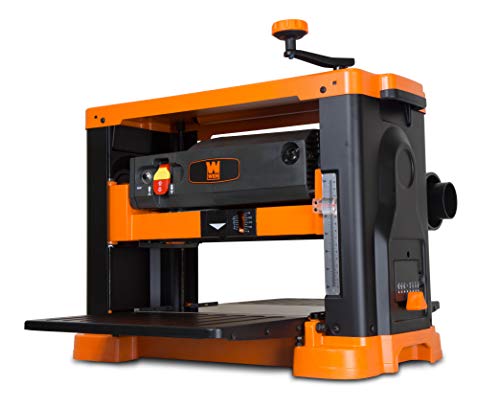
The WEN PL1326 combines power with modern features designed for smoother finishes. It uses a spiral cutterhead with 26 staggered, rotatable blades to produce a clean, consistent surface with fewer nicks and tear-out on difficult woods. An onboard material removal gauge helps monitor depth across passes, aiding beginners in achieving uniform results. It handles boards up to 13 inches wide and up to 6 inches thick, making it a capable option for mid-sized projects such as table tops or wider cabinetry panels. This model is well-suited for users seeking a straightforward setup and predictable performance.
DEWALT Planer, 13-Inch, 3 Knife — Two Speed, Durable

The DEWALT DW735 is a veteran favorite among beginner and intermediate woodworkers alike. Its 13-inch width capacity accommodates typical home shop projects, while the two-speed gearbox enables tailored feed speeds for different materials, optimizing planing performance. The three-knife cutter head contributes to longer knife life and quicker tool changes, a practical feature for those who value efficiency in a busy workshop. This model is a solid step up for beginners who anticipate expanding their projects to thicker stock or larger panels over time.
Jorgensen No.60-1/2 6-1/4″ Wood Planer — Fine Detailing

The Jorgensen No.60-1/2 offers another compact option designed for detail work and trimming. Its professional-grade O1 tool steel blade remains sharp with proper maintenance, and the ductile iron body yields solid durability for repeated use. The adjustable mouth and depth control add versatility for precise tasks such as fine-tuning joinery and small molding profiles. This model is best for beginners focusing on delicate, craft-oriented projects or those building a dedicated assembly line of small parts.
Buying Guide: Key Considerations For Choosing A Beginner-Friendly Planer
- Cutting width and depth: For beginners, a planer’s width determines how much stock you can plane in a pass. A depth range from 0 to 1/8 inch covers most starting projects, while specialty rabbeting or chamfer features are a bonus if you plan joinery work.
- Motor power and speed: Higher amperage generally means more material removal capability and smoother operation. Look for models offering 6–15 amps with cutter-head speeds around 10,000–20,000 rpm to balance performance and control.
- Knife design: Three-knife heads or spiral cutters tend to provide smoother finishes and longer cutter life. Spiral heads reduce noise and tear-out on tricky woods, which benefits beginners learning feed rates.
- Weight and portability: Lighter, smaller planers are easier to maneuver in limited spaces. If you work in a compact shop, a compact benchtop model may be more practical unless you frequently plane wide stock.
- Ease of setup and use: Features like onboard depth gauges, adjustable mouth, and clear controls help novices develop consistent technique. A two-speed option can be useful for switching between fast stock removal and precise final passes.
- Maintenance and replacement parts: Availability of blades and parts matters for a beginner who will practice and refine skills. Replacing blades should be straightforward and affordable.
- Noise and dust management: Dust collection compatibility and noise levels influence comfort during longer sessions and in shared spaces. Consider models with easy-to-connect dust hoses if your workshop lacks dedicated dust collection.
- Intended projects: For hobby cabinets or small trim work, a compact model with sufficient depth and width may suffice. If you anticipate cabinet doors, tabletops, or wider boards, a larger, more powerful planner can improve workflow.
In summary, beginners should prioritize models with clear depth controls, a comfortable grip, and a practical balance of power and portability. The options listed here cover budget-friendly hand planers and more capable benchtop machines, providing a spectrum from entry-level to mid-range performance. Each choice supports learning the fundamentals of planing, edge preparation, and stock finishing, helping you build reliable woodworking skills over time.