Choosing the right primer before tiling drywall ensures a solid bond, smooth surface, and long-lasting results. This guide highlights top primers that pair well with tile backer and drywall, balancing adhesion, odor, drying time, and ease of use. Each option below is suitable for indoor walls and prepared to seal porous surfaces, reduce moisture risk, and create a uniform base for your tile installation.
| Product | Brand | Key Benefit | Why It Matters for Tiling |
|---|---|---|---|
| EVOLVE Drywall Primer | EVOLVE | Fast-drying, low odor, low VOC | Quicker installs with less fumes, ideal for indoor tiling projects |
| DRAWTITE Drywall Primer & Sealer | DRAWTITE | Water-based sealer/primer for damaged or porous surfaces | Excellent for repairing imperfect drywall before tiling |
| KILZ Drywall Primer & Sealer | KILZ | Fast-drying, deep penetration on uncoated drywall | Creates a uniform base, reduces flash and topcoat requirements |
| Rust-Oleum Drywall Primer | Rust-Oleum | Low odor, quick-drying seal for new drywall | Reliable base layer that prevents paint nap from showing |
Note: The following sections provide objective, product-focused insights to help you select a primer that aligns with your tiling project size, room conditions, and preferred application window. Each product section includes a brief overview, key features, and application considerations.
EVOLVE Drywall Primer
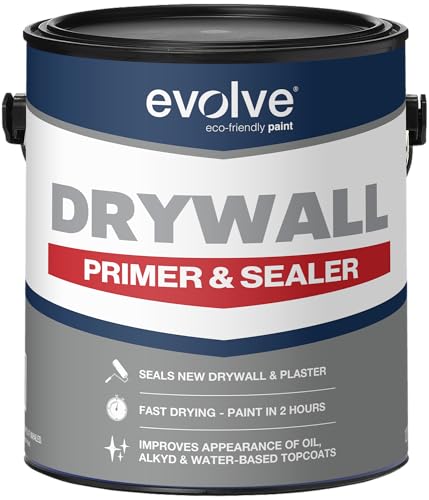
EVOLVE Drywall Primer is formulated for multiple indoor surfaces, delivering fast drying and low odor benefits that are helpful for tiling projects where minimized disruption matters. The low VOC profile supports healthier indoor air quality during a remodel, while its adhesion properties help prime porous drywall and similar substrates for subsequent tile setting compounds or lightweight backer boards. When applying, ensure a smooth, even coat and allow adequate drying before applying primer coats or repair materials. This primer is particularly useful in tighter spaces where odor control matters.
Key considerations for EVOLVE include its adhesion capabilities on varied indoor surfaces and its user-friendly, quick-dry formula. For tiling, a properly sealed drywall surface reduces the risk of paint or primer interacting with tile adhesives. If your project involves repairs or minor surface imperfections, EVOLVE can provide a solid base for subsequent tile membranes or patching compounds after curing.
DRAWTITE Drywall Primer & Sealer

DRAWTITE is a water-based sealer and primer designed to address damaged or porous drywall surfaces before repair work or tiling. Its penetrating seal helps reduce the absorption of patching compounds and paint, resulting in a more even base for tile thinsets. The product’s moisture resistance after drying makes it suitable for bathrooms or kitchens where humidity can be a factor. It is particularly effective for chalky or porous surfaces that might otherwise absorb adhesives unevenly, causing an uneven tile finish.
For tiling projects, consider DRAWTITE when you’re dealing with damaged drywall, gouges, or shredded areas that require an initial seal before patching. The moisture resistance helps prevent rewetting of the surface, supporting long-term stability under tile adhesives. As with any primer, apply in a well-ventilated area and follow the manufacturer’s recoat times to ensure proper bonding for the next layer.
KILZ Drywall Primer & Sealer

KILZ Drywall Primer & Sealer is designed to seal porous, uncoated drywall quickly. Its advanced polyvinyl-acetate formula penetrates deeply, reducing paint and adhesive absorption and helping achieve a uniform finish with fewer coats. This primer is especially useful when tiling over new drywall, where consistent absorption can impact the uniformity of grout lines and tile edge alignment. It works as a reliable base layer before applying low-sheen paints or other topcoats used in moisture-prone spaces.
When preparing for tile installation, ensure the drywall is clean, dry, and free from dust before applying KILZ. Apply a thin, even coat and allow proper drying time before any subsequent patches, tapes, or membrane installations. For best results, pair with a suitable primer compatible with your chosen tile thinset and backer board system.
Rust-Oleum Drywall Primer

Rust-Oleum Drywall Primer emphasizes quick readiness for topcoats, offering a low-odor option suitable for indoor environments. It’s designed to seal new drywall and tape joints, preventing nap raise and facilitating a smoother finish for subsequent primer or paint layers. While primarily marketed as a wall primer, it provides a reliable base for tiling projects by ensuring the surface remains stable and uniform in appearance under tile adhesives. This option is known for straightforward application and a rapid path to the next step in the tiling sequence.
For tiling applications, Rust-Oleum’s product helps control surface porosity, which can influence the uniformity of grout lines and tile adhesion. Always prepare the surface by cleaning and drying thoroughly, and follow recommended dry times before applying tile mortar or membrane systems. Consider room humidity and ventilation when selecting a primer to minimize odor impact during larger tiling jobs.
Buying Guide: Key Purchase Considerations
- Surface condition and porosity: Porous drywall demands a primer with strong sealing properties to reduce uneven absorption by tile adhesives.
- Odor and VOCs: For bathrooms or occupied spaces, low odor and low VOC formulations improve indoor air quality during and after installation.
- Drying time: Fast-drying options speed up project timelines, especially for multi-room tiling projects or tight schedules.
- Moisture resistance: Moisture-prone areas benefit from primers with moisture resistance to prevent rewetting and adhesion issues.
- Compatibility with backer boards and thinsets: Ensure the primer is compatible with your tile backing system and intended mortar.
- Repair readiness: If drywall damage exists, choose a primer that also acts as a sealer for damaged surfaces to create a uniform base.
- Application method: Consider roll-on versus brush, and whether a single-coat or two-coat approach is recommended by the manufacturer.
- Color and finish: Most drywall primers are white or clear; uniform base color helps achieve consistent grout lines and topcoat performance.
To maximize results, match the primer to your project specifics—room use, potential moisture exposure, and the tile system you plan to install. Always follow the manufacturer’s instructions for surface preparation, drying times, and recoat windows. Combining a well-chosen primer with a suitable thinset and backer board system will support a durable, even tiling finish.