Old drywall can present challenges like porosity, chalkiness, and damaged surfaces. The right primer seals, stabilizes, and improves adhesion for subsequent coatings. This article highlights five proven primers well-suited for repairing and refinishing aged walls, ceilings, and patched areas. Each option balances adhesion, odor, and environmental considerations to help you choose effectively.
Summary of Selected Products
| Product | Brand | Key Benefit |
|---|---|---|
| EVOLVE Drywall Primer | EVOLVE | Low odor, fast dry, low VOC; versatile for indoor surfaces |
| Polar Clear Binding Primer | Polar Specialist Coatings | High adhesion and sealing with breathable, low-VOC film |
| Perfect Primer Encapsulant | Perfect Primer | Asbestos sealer and encapsulant; bonds over problematic mastics |
| DRAWTITE Drywall Primer & Sealer | DRAWTITE | Water-based sealer for damaged drywall; moisture resistance |
| ROMAN Rx-35 Sealer/Primer | Roman | Clear primer for torn drywall; primes and seals joint compounds |
EVOLVE Drywall Primer
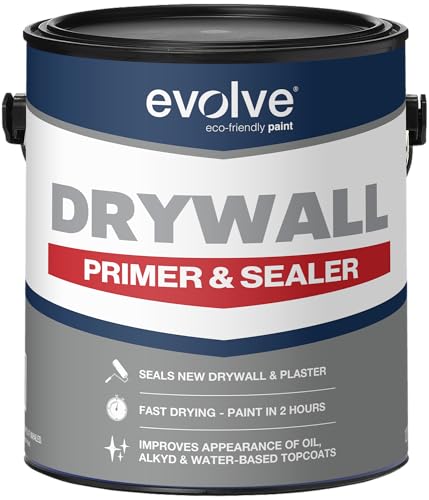
EVOLVE Drywall Primer is designed for fast work with low odor and low VOCs, addressing common concerns on old drywall projects. The primer provides solid adhesion across multiple indoor surfaces, reducing the risk of future peeling or flaking after you apply paint or finishing coatings. Its fast-drying formula supports quicker project timelines, which is valuable when renovating older walls that may require careful sequencing of repairs and finishes.
Polar Clear Binding Primer
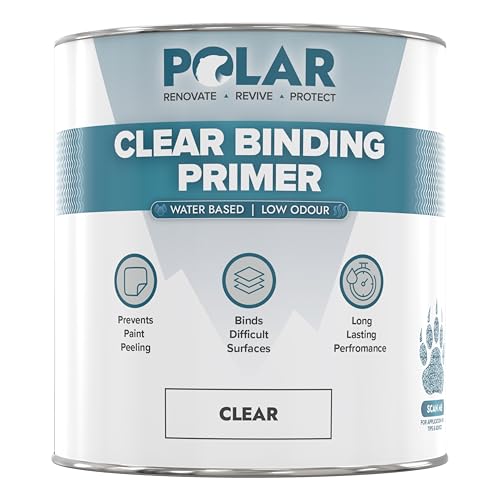
Polar Clear Binding Primer is a high-adhesion, clear base primer formulated to seal and stabilize damaged drywall, plaster, cement, stucco, and even wood. It creates a flexible acrylic film that bonds tightly to problem areas while remaining breathable. The low-VOC, water-based formula suits interior and exterior prep, helping to prevent future cracks and moisture-related issues on aging walls.
Perfect Primer Encapsulant

Perfect Primer encapsulates and primes over troublesome materials without removal, making it ideal for old mastics and legacy floorings encountered in renovations. It acts as an asbestos sealer and is suitable for multiple surfaces, including walls and floors, enabling a clean foundation for new coatings, epoxy, tile, or paint. The encapsulant helps seal odors and stains from older materials while forming a bond-ready surface.
DRAWTITE Drywall Primer & Sealer

DRAWTITE offers an innovative water-based sealer and primer designed specifically for damaged drywall. It seals chalky, porous surfaces and provides moisture resistance after drying, reducing rewetting during subsequent repairs. This makes it a solid base for repair compounds and final coats, especially when addressing surface imperfections and gouges that require rebuilding before finishing.
ROMAN Rx-35 Sealer/Primer
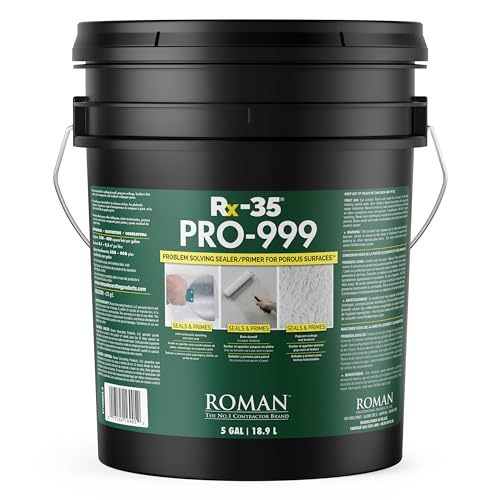
ROMAN Rx-35 Sealer/Primer is a clear primer designed for torn drywall and wallpaper-related work. It primes and seals joint compounds and skim coats, reducing tackiness and improving subsequent adhesion for wallcoverings or paints. Its low-odor water-based formula makes it approachable for DIY projects and professional renovations alike, particularly when preparing textured or lightly damaged walls for finishing.
KILZ TRIBUTE (For Context)

Note: KILZ TRIBUTE is included for context as a paint-and-primer-in-one option. While not one of the five primary picks, it illustrates the range of products that combine priming properties with decorative finishes—useful when old drywall projects require both sealer and color application in a single step.
Buying Guide: Key Purchase Considerations
- Surface condition: For chalky or porous drywall, prioritize penetrating sealers thatBlock moisture and improve adhesion. For damaged or patched areas, look for primers that stabilize and bond to irregular textures.
- Odor and VOC levels: If you work in living spaces or during renovations with limited ventilation, choose low-odor and low-VOC formulations to minimize indoor air impact.
- Adhesion strength: High-adhesion primers help prevent peeling and ensure long-lasting finishes, especially on previously painted or problem surfaces.
- Environmental considerations: Water-based primers are generally easier to clean and more eco-friendly, though solvent-based options may offer stronger film formation in some cases. Weigh your project’s needs.
- Compatibility with finishes: Confirm that the primer is compatible with the intended topcoat (latex, acrylic, epoxy, or tile adhesives) and with any existing mastics or wall textures.
- Application conditions: Dry time, recoating interval, and temperature/humidity tolerance influence project scheduling, particularly on larger old-wall renovations.
- Multi-surface use: If you plan to prime both walls and ceilings, or drywall and plaster, select a primer advertised for multi-surface adhesion to simplify procurement.
Understanding Primer Types for Old Drywall
Primers for old drywall come in various formulations. Sealing primers focus on stabilizing damaged surfaces and reducing porosity, while binding primers emphasize adhesion to problematic substrates. Encapsulants are particularly useful when legacy materials (such as asbestos-containing mastics) are present, offering a safer alternative to removal. Water-based, acrylic, and low-VOC options are common for indoor spaces, balancing performance with air quality considerations.
Application Best Practices
Prepare the surface by removing loose material and repairing major gouges. Clean dust and debris, then apply the primer with even coats using a roller or brush suited to the surface texture. Allow adequate drying time between coats, especially on porous or patchy areas. If odor or volatility is a concern, ventilate well during and after priming. Finally, inspect for uniform coverage and adhesion before proceeding to finish coats or decorative treatments.
Additional Notes on Surface Prep and Finishing
Old drywall often reveals hidden issues such as moisture damage or hidden stains. In such cases, consider a stain-blocking or sealing primer in addition to an adhesion-focused product. When working over damaged or textured ceilings, a primer with good bridging capabilities helps prevent visible patches after painting. Always follow the manufacturer’s instructions for coverage rates and recoat times to achieve the best results on aging walls.