Finding reliable propane heat for cabins and remote spaces requires equipment that combines safety, efficiency, and sustained warmth. The following five models are well-suited for cold rooms, additions, sunrooms, garages, and off-grid retreats. Each option emphasizes dependable ignition, robust BTU output, and protections that help maintain safe operation in chilly environments. Use this guide to compare performance, fuel consumption, and suitability for your cabin’s size and insulation.
| Product | Brand | BTU / Heat Type | Coverage | Key Safety |
|---|---|---|---|---|
| Mr. Heater MHVFBF20LPT | Mr. Heater | 20,000 BTU | Up to 700 sq. ft. | ODS sensor, battery ignition |
| Dyna-Glo IR30PMDG-1 | Dyna-Glo | 6,000–30,000 BTU (Infrared) | Up to 1,000 sq. ft. | Infrared heat, liquid propane ready |
| Mr. Heater 30,000 BTU Vent Free Radiant | Mr. Heater | 30,000 BTU | Up to 1,000 sq. ft. | Infrared radiant heat |
| Mr. Heater Portable Buddy MH9BX | Mr. Heater | 4,000–9,000 BTU | Up to 225 sq. ft. | Tip-over safety, Piezo ignition |
| VEVOR 18,000 BTU Propane Cabinet Heater | VEVOR | 6,000–18,000 BTU | Up to 450 sq. ft. | Low O2, tip-over, flameout protections |
Below are five detailed product profiles to help you compare features, installation needs, and warmth delivery for cabin living.
Mr. Heater MHVFBF20LPT 20,000 BTU Blue Flame
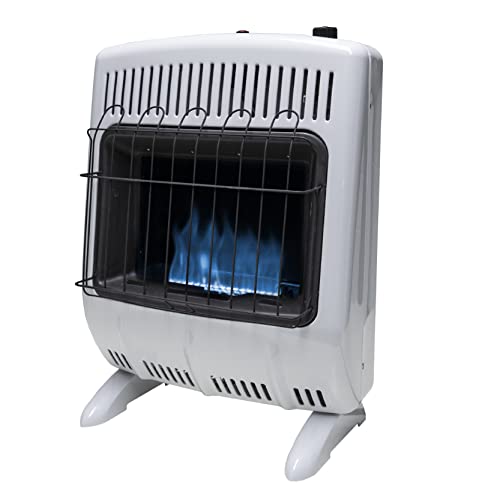
This blue flame, vent-free heater provides up to 20,000 BTUs and is designed for reliable performance in cabins and cold rooms. It heats spaces up to 700 sq. ft., making it a fit for modest cabins or additions. The unit operates with a battery-powered electronic ignition, and it includes a thermostat for temperature control, offering convenient, consistent warmth. A key safety feature is the Oxygen Depletion Sensor (ODS), which shuts off the heater if airflow becomes unsafe. Fuel consumption is approximately 0.926 lbs per hour, contributing to manageable operating costs in well-insulated cabins. Suitable for elevations up to 4,500 ft, this model balances power with efficient operation in varied winter conditions.
Dyna-Glo IR30PMDG-1 30,000 BTU Infrared

This infrared wall heater delivers a broad range of heat output from 6,000 to 30,000 BTU, with radiant heat that warms objects and people directly—similar to sunlight. It can heat areas up to 1,000 sq. ft., making it versatile for cabins with open layouts or multiple living zones. The unit is liquid propane ready, though fuel conversion is not permitted. Infrared heat can be advantageous for quick warmth after cold nights, and the option to scale BTU helps manage energy use while maintaining comfort in a cabin setting.
Mr. Heater 30,000 BTU Vent Free Radiant

This high-efficiency propane wall heater delivers 30,000 BTU, covering up to 1,000 sq. ft. with radiant warmth. It uses multiple burner tiles to maximize radiant heat, creating a sun-like warmth that’s effective for cabins, sunrooms, or additions. Fuel efficiency is notable—consuming around 1.389 lbs per hour—allowing extended runtime on standard LP cylinders. The unit is designed for indoor use, and its radiant design helps maintain comfortable temperatures in open cabin spaces where quick, even heat is valued during cold seasons.
Mr. Heater Portable Buddy MH9BX
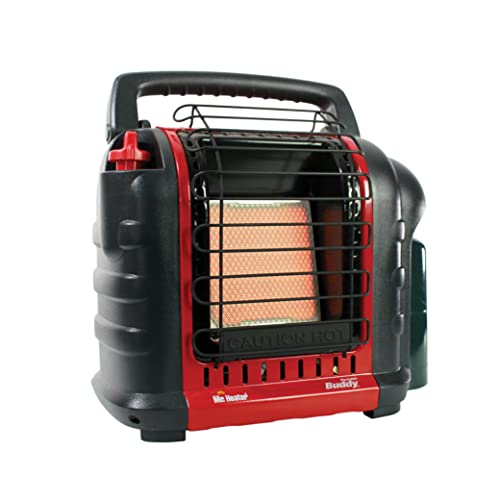
This compact, portable radiant heater offers 4,000–9,000 BTU and is suitable for spaces up to 225 sq. ft. It features a Piezo ignition for quick startups and includes enhanced tip-over safety. The unit is a practical option for cabin settings where mobility is beneficial, such as seasonal cabins or zones that are used intermittently. The absence of electrical reliance (no external flame or batteries required for ignition) can be advantageous in off-grid scenarios or during power outages, while still delivering reliable warmth for small areas.
VEVOR 18,000 BTU Propane Cabinet Heater

The cabinet-style propane heater from VEVOR provides 18,000 BTU with three heat settings (6k/12k/18k BTU) to match seasonal needs. It is designed for indoor spaces, patios, and garages, offering safe operation through low oxygen protection, tip-over protection, and flameout protection. The unit’s robust steel construction supports durability in shed-like or workshop cabins, and the three-mode selector helps balance comfort with propane efficiency for longer cold spells. It is a suitable option for larger cabins or common areas that require adjustable warmth across different activities.
Buying Guide: Key Purchase Considerations
- Room size and heat type: Infrared heaters warm objects and occupants directly, while convection models heat air to raise overall temperature. For cabins with open layouts, infrared or radiant units can provide faster personal warmth, whereas larger, well-insulated spaces might benefit from higher BTU convection heaters.
- Ventilation and safety: Ensure models include oxygen depletion sensors (ODS), tip-over protections, and flame safeguards. Vent-free propane heaters must be installed per local codes and away from combustible materials; proper clearance is essential.
- Fuel efficiency and runtime: Compare BTU output to fuel consumption rates (lbs/hour) and cylinder size requirements. Longer runtimes reduce refill frequency, a key factor for remote cabins without frequent propane deliveries.
- Ignition and usability: Battery-powered or piezo ignition offers reliable startups in cold weather. Thermostats or adjustable heat settings help maintain steady comfort with less fuel waste.
- Portability and installation: Consider whether you need a wall-mounted, cabinet, or portable unit. For seasonal cabins or multi-room layouts, modular or movable heaters can provide flexible warmth.
- Durability and build: Stainless steel or coated bodies resist corrosion in humid or damp cabin environments. Look for robust manufacturing with protective coatings to extend life in rugged settings.
- Maintenance: Regular vent-free heater checks, including cleaning of burners and inspecting oxygen sensors, extend safe operation. Ensure you have access to parts and service if needed.
- Energy planning: In addition to space heaters, evaluate insulation quality, window seals, and any supplemental sunroom strategies to minimize overall fuel use in harsh winters.