Choosing a reliable residential carbon monoxide detector means prioritizing quick alarm response, long battery life, and easy maintenance. This guide highlights five top-rated options from trusted brands, covering plug-in, battery-powered, and multi-sensor models to fit apartments, homes, and travel needs. Each product features an electrochemical sensor, audible alerts, and practical backup power to ensure continuous protection. Below is a concise shopping summary to help you compare key attributes at a glance.
- First Alert CO605: Plug-in with battery backup; electrochemical sensor; 85 dB alarm; low battery signal mute
- Kidde Battery-Powered CO Alarm: Battery operation for power outages; dual LEDs; 85 dB alarm
- Kidde Plug-in with AA Battery Backup: Easy plug-in; 85 dB alarm; backup power
- Kidde Digital Display Plug-in: 9-volt battery backup; digital readout; 85 dB alarm
- Vilfet 5-in-1 Detector: CO, gas, temp, humidity, battery backup; 9V backup
First Alert CO605 Plug-In CO Alarm
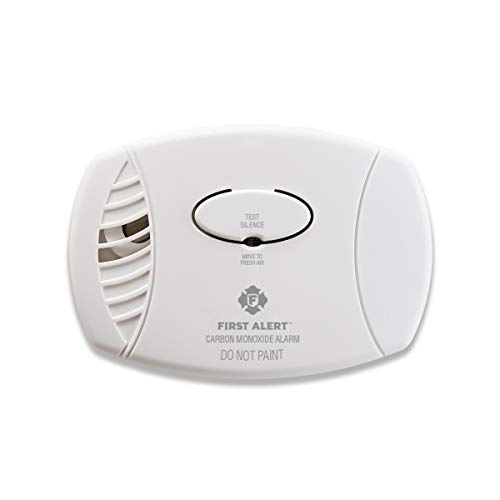
The First Alert CO605 offers a convenient plug-in design compatible with standard outlets and includes a battery backup for continued monitoring during power interruptions. It uses an advanced electrochemical sensor to accurately detect carbon monoxide levels in various room placements. A single test/silence button streamlines maintenance, and the unit emits a loud 85-decibel alarm when CO levels become dangerous. A low battery signal can be muted for up to eight hours, helping reduce nuisance alerts while ensuring critical warnings remain clear.
Placement considerations include high-traffic living areas, bedrooms, and near fuel-burning appliances. Since it is a plug-in device with backup power, it is well-suited for most homes without requiring complex wiring. Maintenance is straightforward: test regularly, replace batteries as needed, and ensure the device is within reach for quick silencing when not warranted. The CO605 balances ease of use with dependable detection, making it a strong candidate for households seeking a reliable, user-friendly detector.
Kidde Battery-Powered CO Alarm
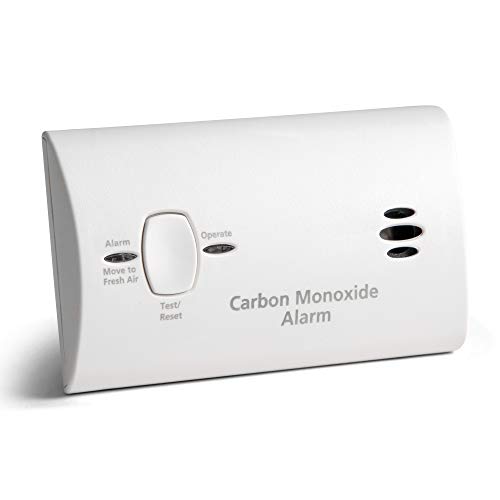
This Kidde model runs on two AA batteries, ensuring operation even during a power outage. It supports easy installation on walls or tabletops, and features an electrochemical sensor for reliable CO detection. A green LED indicates power presence, while an 85-decibel alarm and a red LED communicate the detection of carbon monoxide. The battery-powered design makes it particularly suitable for locations where electrical outlets are not readily available, such as rooms with limited wall space or older homes with less favorable electrical layouts.
For households balancing device placement with mobility, the portability of this detector can be advantageous. As with all detectors, regular battery replacement and periodic testing are essential. The simplicity of this model—no wiring required and straightforward installation—makes it an accessible option for renters and homeowners alike who want dependable CO monitoring without the need for electrical rewiring.
Kidde Plug-In Wall CO Detector with Battery Backup
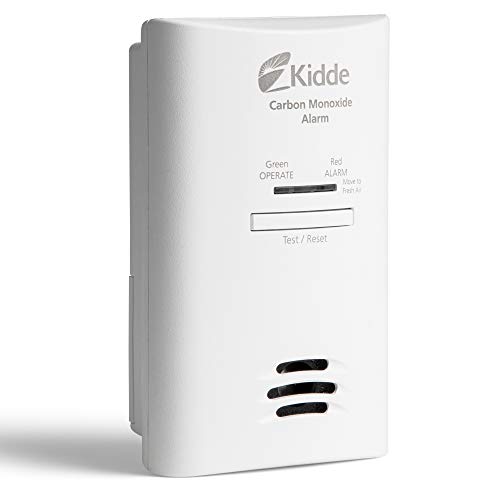
This plug-in model from Kidde combines ease of use with reliable protection and a battery backup to maintain coverage during outages. It accepts standard 120V outlets and offers an 85-decibel alarm to clearly signal danger. The inclusion of AA battery backup extends protection beyond power interruptions, making it well-suited for apartments or homes with frequent outages. Visual indicators and a simple test/hush button help users verify functionality and mute nuisance alarms when needed, while preserving alert integrity for genuine CO events.
Consider this option if you want a straightforward, non-wired installation that still provides consistent CO monitoring. Regular testing and keeping fresh batteries on hand will ensure optimal performance. This detector integrates smoothly into most living spaces, offering reliable safety without requiring specialized setup.
Kidde CO Detector with Digital LED Display
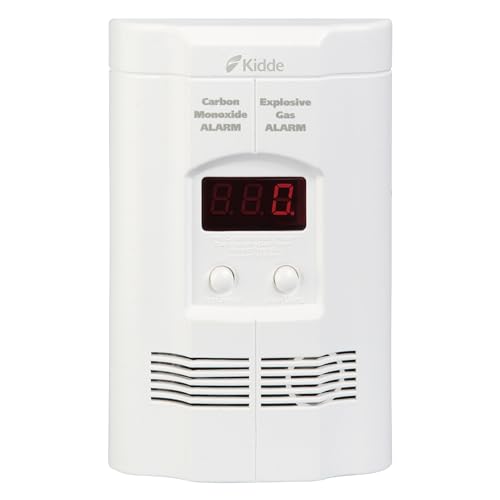
This Kidde detector features a digital LED display that provides real-time CO concentration readouts, helping users gauge risk levels at a glance. It plugs into a standard 120V outlet and includes a 9-volt battery backup for added reliability during power outages. The unit maintains an 85-decibel audible alert to warn occupants of dangerous CO levels. The digital readout is particularly helpful for households wanting immediate visibility into CO trends over time, enabling proactive ventilation and safety actions.
Placement guidance emphasizes proximity to sleeping areas and fuel-burning appliances to ensure rapid warning if CO levels rise during the night. Routine testing and battery checks are recommended to maintain continuous protection. For households that value precise CO data alongside straightforward operation, this detector provides a practical balance between information and alert reliability.
Vilfet 5-in-1 Detector with Backup Power

The Vilfet 5-in-1 detector expands the scope beyond CO to include natural gas monitoring, along with temperature and humidity readings. This plug-in device includes a 9-volt battery backup, ensuring protection during power outages. It provides 24/7 environmental data through a screen display and offers 9V battery power when needed, helping maintain surveillance over CO and gas levels in spaces where occupants spend significant time. The all-in-one approach makes it a versatile option for kitchens, garages, or living rooms where multiple risk factors may be present.
When evaluating 5-in-1 detectors, consider the importance of real-time readings for CO and gas alongside climate metrics. The device’s display and audible alerts support timely ventilation decisions. Regular maintenance, including sensor checks and battery replacement, helps preserve accuracy and reliability. This model suits buyers seeking integrated monitoring to simplify safety management within a single device.
Seektain Travel CO Detector Plug-In
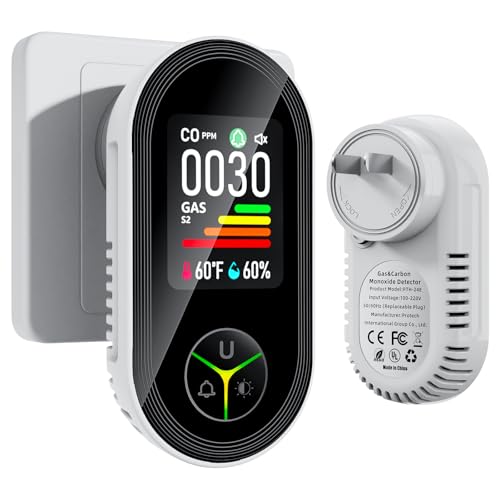
Designed for portability and travel-friendly use, the Seektain plug-in CO detector supports 100-240V operation, enabling easy setup in diverse spaces such as hotels, RVs, or temporary housing. The 4-in-1 design includes CO monitoring, natural gas detection, temperature, and humidity, displayed on a large digital readout. The unit triggers an audible alarm of 85 dB when CO or gas levels exceed thresholds, with a red visual indicator for quick recognition. This model emphasizes versatility for travelers or rental situations where rapid deployment of safety monitoring is desirable.
For travelers or temporary stays, the convenience of a plug-in, battery-backed detector reduces concerns about power reliability while offering essential environmental data. Users should ensure compatibility with the local power supply and follow installation guidance for optimum performance. Routine checks of the display, alarm function, and battery backup are recommended, especially when using the device in unfamiliar environments.
Buying Guide: Key Purchase Considerations for Residential CO Detectors
- Sensing technology: Look for electrochemical sensors for reliable, quick CO detection with low false alarms.
- Power source: Decide between plug-in with battery backup, or battery-only models based on outlet availability and outage considerations.
- Alarm characteristics: An audible alert of 85 dB or higher and a visible indicator help ensure you notice warnings in different conditions.
- Display and visibility: Digital displays showing CO levels, gas detection, temperature, and humidity can aid risk assessment and ventilation decisions.
- Placement strategy: Place detectors on every level, near sleeping areas, and away from fuel-burning appliances to maximize early warnings.
- Maintenance and battery life: Consider easier access for testing, battery replacement, and sensor longevity to minimize maintenance friction.
- Combine with other sensors: Multi-sensor units (gas, temperature, humidity) provide broader environmental awareness but may come at a higher cost.
- Certifications and alerts: Verify that devices meet consumer safety standards and offer reliable audible and visual alerts for CO and other hazards.
- Portability vs. permanence: Battery-powered units are ideal for rentals or temporary spaces, while plug-in models suit permanent installations.
- Smart features: Some models offer digital readouts and enhanced diagnostics; balance these features with ease of use and reliability.
In summary, the right residential CO detector combines dependable sensing, straightforward operation, and a backup power plan to ensure continuous protection. Evaluate the environment, occupancy patterns, and potential outage scenarios when selecting a detector. By prioritizing models with durable electrochemical sensors, clear alarms, and easy maintenance, you can improve indoor safety and respond quickly to CO risks across living spaces.