The right roofing underlayment adds a crucial layer of protection between the roof deck and shingles, helping guard against moisture, wind-driven rain, and abrasion during installation. This guide highlights five top-rated, consumer-friendly underlayments that balance durability, grip, and ease of installation. Each option emphasizes tear resistance, moisture control, and user-friendly features to support a long-lasting roof system. Below you’ll find concise product snapshots, a quick comparison, and practical buying guidance to match your project needs.
| Product | Brand | Highlights |
|---|---|---|
| DuPont Roof Protector Roofing Underlayment Roll | DuPont | Four-layer construction; slip-resistant coating; strong tear resistance |
| Grip-Rite SL154250LWE 48 in. x 250 ft. | Grip-Rite | Lightweight, durable, UV treated; strong tear resistance |
| FT Synthetics Platinum Synthetic Roofing Underlayment | FT Synthetics | 20 mil polyolefin; GRIPSPOT slip resistance; recyclable |
| Grace Select 36 in. x 195 sq. ft. Roll Roofing Underlayment | Grace | Self-adhered, lightweight, easy to handle |
| SQQEZ Self-Adhesive Roofing Felt Underlayment Roll | SQQEZ | Multi-use waterproofing; strong adhesion; long service life |
DuPont Roof Protector Roofing Underlayment Roll
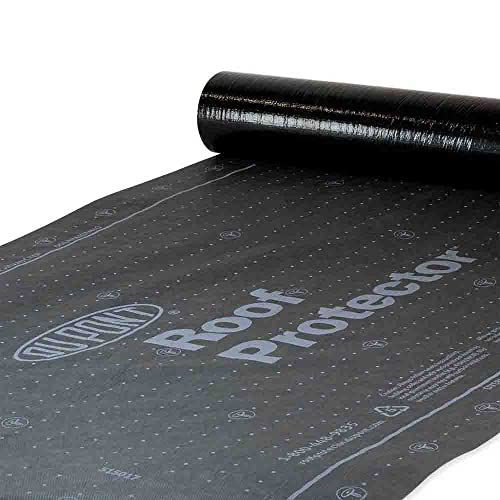
DuPont Roof Protector Underlayment combines a four-layer construction with a slip-resistant top coating to improve grip on steep pitches. The top layer offers enhanced traction, helping installers maintain footing on exposed decks, while the lamination layer acts as a robust water barrier. A woven polypropylene scrim adds tear resistance, ensuring the underlayment stands up to installation stresses and windy conditions. Overall, this option emphasizes deck protection during install and offers an effective secondary moisture barrier.
Key considerations include its tear resistance and layered design, which aim to minimize rips during fastener installation and wind uplift. For projects in variable climates, the robust moisture barrier can help protect the roof deck from incidental moisture exposure, extending the lifespan of the roof assembly. As with any underlayment, compatibility with your chosen shingles and roof slope should be verified before purchase.
Grip-Rite SL154250LWE 48 in. x 250 ft. Synthetic Roofing Underlayment

Grip-Rite’s SL154250LWE underlayment emphasizes a lightweight, durable solution with modern synthetic construction. The 48-inch width and 250-foot length provide substantial roll coverage, reducing the number of seams and labor time. The product claims improved energy efficiency versus traditional felt, aided by its UV-treated surface that withstands sun exposure for up to 180 days, helping maintain performance during temporary roofing stages or delays.
ShingleLayment’s design focuses on tear resistance and wind exposure resilience. The synthetic substrate offers high tensile strength and a secure barrier against moisture intrusion. For installers, this option provides a balance of ease of handling, reduced waste, and solid secondary protection as a temporary roof cover during weather events or construction gaps.
Self-Adhesive SQQEZ Roofing Felt Underlayment Roll

This underlayment by SQQEZ blends self-adhesive waterproofing membrane with a robust sealing film, designed for quick, sealable repairs and moisture protection across various substrates. The product emphasizes versatility, capable of sealing leaks, repairing cracks, and providing a moisture-proof shield on roofs, metal surfaces, gutters, balconies, and more. The thick aluminum layer adds weather and fire resistance in diverse climates, while the self-adhesive feature simplifies installations and repairs with minimal cold-weather limitations.
When considering this option, assess its adhesive performance on your chosen roof deck materials and the degree of self-sealing required for your project. The multi-application angle makes it suitable not only for standard underlayment duties but also for quick fixes during renovations or retrofit jobs where a temporary, reliable waterproofing layer is needed.
FT Synthetics Platinum Synthetic Roofing Underlayment

FT Synthetics Platinum underlayment is built from a 20-mil polyolefin blend, delivering professional-grade strength with fewer seams and faster installation. The GRIPSPOT slip-resistant surface is engineered to provide dependable traction in both dry and wet conditions, which can enhance safety when working on high-pitch roofs. The product is designed for UV resistance and recyclability, aligning with sustainable building practices while supporting durable deck protection and moisture shedding.
In evaluating this option, consider the balance between thickness, weight, and ease of handling. The 20 mil construction tends to offer a sturdier barrier than typical felt, which can reduce tearing during installation. For projects in hot sun or where long-term exposure to sunlight is expected before shingles go on, the UV resistance is a notable advantage.
Grace Select 36 in. x 195 sq. ft. Roll Roofing Underlayment
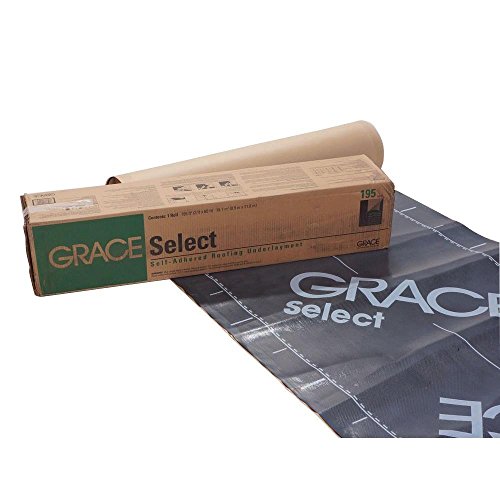
Grace Select underlayment is a lightweight, self-adhered, and self-sealing option designed for straightforward handling. The self-adhesion reduces the need for mechanical fasteners in many applications and can simplify installation on smaller roofs or retrofit projects. The lightweight profile helps with easy transport and reduces fatigue during extended installation sessions, while still delivering a protective moisture barrier for the roof deck beneath shingles.
Key considerations for Grace Select include compatibility with your shingle type and whether a self-adhesive layer aligns with your substrate and climate. The product’s emphasis on simplicity can be advantageous for DIY projects or quick repairs where a reliable, easy-to-apply underlayment is desirable.
Buying Guide: Key Purchase Considerations For Roofing Underlayment
- Material composition: Synthetic underlayments (polypropylene or polyolefin) generally offer superior tear resistance and lighter weight compared with traditional felt, along with enhanced UV resistance and longevity. Compare mil thickness and overall deck protection.
- Waterproofing performance: Look for a continuous moisture barrier with robust seams or self-adhesive properties. Self-adhesive options simplify installation and reduce air and water leakage paths around fasteners.
- Slip resistance and safety: A walking surface with a grip-enhanced finish minimizes slip risk during installation, particularly on steep slopes. Consider products with GRIPSPOT or similar technology for improved traction.
- Wind and weather tolerance: UV exposure, wind uplift, and temperature fluctuations impact underlayment performance. UV-treated surfaces extend service life during delays between deck installation and shingle application.
- Installation efficiency: Wider rolls and higher strength-to-weight ratios reduce seams and labor. Self-adhesive variants can speed up labor and reduce the need for nails or tacks in certain conditions.
- Compatibility: Ensure the underlayment is compatible with your chosen shingles, roof pitch, and local building codes. Some products may require specific fasteners or prime conditions for optimal adherence.
- Environmental considerations: Some options are recyclable or manufactured with reduced environmental impact. If sustainability is important, review material disposal guidance and recycling programs.
- Warranty and lifespan: Lifetimes and warranty terms vary. A longer warranty often reflects confidence in moisture resistance and durability, but verify what is covered (tearing, moisture intrusion, or UV exposure).
- Cost-to-performance balance: While price matters, prioritize performance features that align with your roof size, climate, and installation timeline. Larger roofs benefit from roll coverage and fewer seams, while smaller projects may prioritize weight and ease of use.
- Climate considerations: In hot climates, UV resistance and heat tolerance are critical. In cold regions, cold-weather performance and adhesion properties determine long-term success.
The selections above offer a spectrum of underlayment approaches—from tear-resistant synthetics to self-adhesive, easy-to-handle layers. For builders and homeowners aiming for durable deck protection and efficient installation, these options provide credible choices to match project scope, climate, and labor considerations. Always consult product specifications and local code requirements before purchase to ensure the best fit for your roofing system.