The right saw makes curved cuts in wood easier, cleaner, and faster. This guide highlights tools designed to shape arcs, circles, and intricate profiles with precision. From traditional crosscut saws to modern jigsaws and Japanese pull saws, each option balances control, blade flexibility, and comfort. Whether you’re building curves in furniture, trim work, or craft projects, these picks cover a range of tasks, budgets, and woodworking styles.
Overview of selected products:
| Product | Brand | Key Feature | Best For |
|---|---|---|---|
| Hand Saw for Wood Cutting – 3’ One Man Crosscut Saw | Kings County Tools | Screw-on auxiliary handle; Great American teeth; self-clearing gullets | Powerful, straight-to-curve transitions; solo log cutting |
| GARTOL Hand Saw for Wood Cutting, 2-Piece Set | GARTOL | 6-Inch flush cut and double-edged Ryoba blades; SK5 steel | Fine, precise curves and trim work |
| Oubit Corded Jigsaw, 800W | Oubit | Variable speed, 6-speed options; Bevel cuts 0°-45° | Curved cuts, internal radii, and complex patterns |
| RUITOOL Japanese Hand Saw 6 Inch Double Edge Ryoba | RUITOOL | SK5 blade; double-edged teeth; high-frequency hardened | Versatile curves and flush cuts |
| SUIZAN Ryoba Double Edge Saw 9.5″ | SUIZAN | Japanese pull saw; Made in Japan; razor sharp cuts | General curved and precision cuts |
Oubit Corded Jigsaw
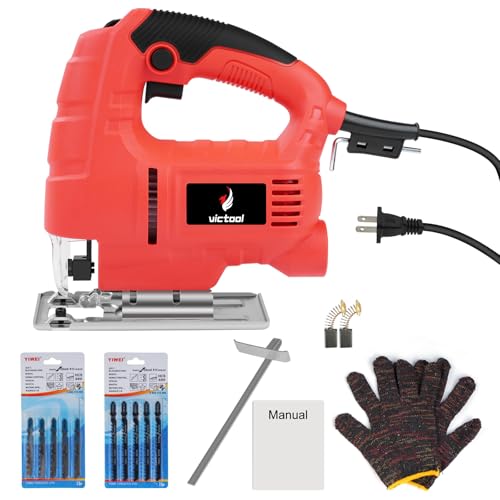
The Oubit corded jigsaw is designed for curved lines and intricate patterns. It offers a variable speed dial to tailor cutting action for different materials, along with six speeds to adapt to wood, plastics, or composites. A 800W all-copper motor provides strong cutting power, while the bevel capability (0°-45°) supports precise angled curves. Its safety features, including a smart locking button, ensure comfortable, controlled operation. With a range of supplied blades, this jigsaw covers straight cuts to tight arcs, making it a practical choice for curve-heavy wood projects.
RUITOOL 6-Inch Double Edge Ryoba

The RUITOOL 6-inch Ryoba includes a two-edge setup for flexible curved cuts. The SK5 high-carbon steel blade is designed for both hard and softwood, delivering durable sharpness through heavy use. Its blades are processed for high-frequency hardening to maintain edge retention. Ergonomic wooden handles provide a comfortable, anti-slip grip, reducing fatigue during longer shaping tasks. This pull saw set is well-suited for precise curves, flush cuts, and fine trimming in small woodworking projects.
SUIZAN Ryoba Double Edge Saw

The SUIZAN Ryoba 9.5″ is a professional Japanese pull saw designed for curved and fine cuts. Its Ryoba construction provides two edge options for different applications, with a focus on razor-like edges and minimal material waste. Manufactured in Japan, it reflects traditional craftsmanship and offers consistent performance for curved joinery, delicate trimming, and precise arc work. The lightweight design makes it easy to maneuver in tight radii and detailed projects.
Kings County Tools Hand Saw

The Kings County Tools 3-foot one-man log saw offers a robust option for heavy-duty woodworking and curve work when needed. The screw-on auxiliary handle supports two-handed operation, aiding control during curved cuts in larger timbers. Great American style teeth and self-clearing gullets help maintain cutting speed by removing waste as you progress. While primarily built for log cutting, its design components provide stability and power for rough curve shaping or initial stock thinning before finishing with a finer saw.
GARTOL 2-Piece Hand Saw Set

The GARTOL 2-piece set includes a 6-inch flush cut saw and a double-edged Ryoba with SK5 steel. The dual blades provide versatility for curved edges, flush trimming, and precise cut lines in both hardwood and softwood. Ergonomic wooden handles reduce fatigue, and the blades retain sharpness under repeated use. This set is a sensible option for DIY enthusiasts needing reliable control for curved details and finishing touches on wood projects.
Buying Guide: Key Considerations for Cutting Curves in Wood
- Cutting action: Jigsaws excel at complex curves and internal radii, while pull saws offer clean, precise edges with light touch and less blade drift. Choose based on curve density and project size.
- Blade geometry and material: Look for high-carbon steel blades (SK5) for durability and sharpness. Double-edged Ryoba blades give flexibility for different curve radii.
- Bevel and angle range: If your curves involve angled cuts or compound curves, ensure the tool supports 0°-45° bevels and adjustable angles.
- Ergonomics and weight: Shorter blades are easier to control for tight radii, while lighter tools reduce fatigue on long sessions. Ergonomic handles aid grip stability during curved cuts.
- Power vs. manual: Corded saws provide steadier power for continuous curves; hand saws offer control and precision for fine detailing and flush work.
- Blade swaps and maintenance: Quick-change blades minimize downtime during curved work. Regularly sharpen or replace blades to maintain clean curve lines.
- Project scope: For large curves in lumber or heavy stock, consider a robust saw with a longer blade and a stable frame; for fine furniture curves, prioritize fine-toothed, precise blades.
- Safety: Use appropriate safety gear and keep workpieces secured. Be mindful of kickback on deep curves and ensure guards or blade covers are in place when not cutting.
In summary, the best tool for cutting curves in wood depends on curve complexity, stock thickness, and user preference for power versus control. Jigsaws and Japanese pull saws offer distinct advantages for curved work, while traditional hand saws provide reliable, precise results for fine detailing and trim.