Choosing the right saw for plywood cuts can dramatically improve accuracy, reduce tear-out, and speed up projects. This guide highlights five reliable options that handle plywood with clean, straight results. From versatile hand saws to powerful circular saws and precision guides, these picks cover a range of budgets and use cases. Each product features sturdy construction, ergonomic handling, and blade options suited to plywood work. Read on to compare capabilities, see what to look for, and choose the best tool for your next plywood cut.
| Product | Key Benefit | Ideal For |
|---|---|---|
| TOOLAN 8-In-1 Multi Blades Hand Saw | 8 blades, quick-change, ergonomic grip | Versatile cuts including plywood sheets |
| 14 in. Pro Hand Saw | Precision, fine-cut teeth | Framing, trim, and plywood details |
| GALAX PRO 4Amp Circular Saw | Laser guide, depth control | Precise straight cuts in plywood |
| Kreg KMA2685 Rip-Cut Circular Saw Guide | Edge-guided straight cuts | Consistent plywood rips |
| BORA 50” NGX Clamp Edge Track | Long, accurate straight edges | Cross-cuts and ripping plywood sheets |
Whether you’re building a cabinet, shelving, or a plywood panel project, having the right saw setup makes a difference. This selection emphasizes accuracy, control, and ease of use, helping you achieve clean results with less effort. The products below are organized to help you compare essentials like blade type, guide capability, depth of cut, and portability.
TOOLAN 8-In-1 Multi Blades Hand Saw

The TOOLAN 8-in-1 hand saw offers a versatile approach for plywood tasks with a quick-change blade system. It includes eight different blades, enabling fast switching between materials and cut types. The TPR handle is designed to reduce hand fatigue during longer sessions, helping maintain control when making long straight cuts in plywood sheets. A lockback mechanism secures blades in place for stability, while the clamping design supports both large and small blades for varied applications. Constructed blades use high-speed steel for durability and sharpness that lasts through repeated plywood cuts.
Why it’s notable for plywood: The 8 blades give you options for fine, medium, and aggressive cuts without swapping tools. The ergonomic grip and secure blade system help prevent slippage that could mar plywood edges. This is a practical choice for DIY enthusiasts who want a compact, multi-use option without investing in multiple separate saws.
14 in. Pro Hand Saw
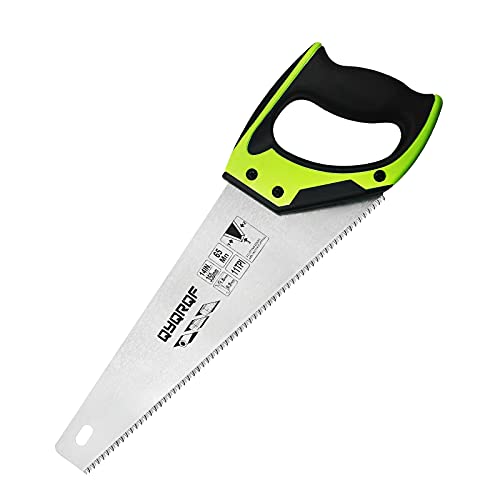
The 14-inch Pro Hand Saw features a 0.9 mm thick blade with 65Mn steel, heat-treated for resilience. Its soft, ergonomic non-slip TPR handle provides comfort and steadiness during longer plywood-cut sessions. With a fine 11 TPI, this saw is well-suited for precise cuts, trim work, and controlled plunges through plywood sheets. The design emphasizes accuracy and smooth cutting action, reducing edge tear-out and producing cleaner results along both long rip cuts and detailed profiles.
Why it’s notable for plywood: The hand saw excels in scenarios where you need controlled, precise cuts without power tools. It’s particularly useful for trim work and for breaking down plywood panels into smaller components on site, where mobility and reliability are critical.
GALAX PRO 4Amp Circular Saw

This compact circular saw is built with a 4-amp motor and a laser guide to assist with straight plywood cuts. The 4-1/2″ blade size is ideal for smaller sheets or confined spaces, while the depth adjustment lets you tailor cuts to the thickness of your plywood. The laser guide enhances accuracy, and the included vacuum adaptor helps maintain a cleaner work area by reducing dust. The saw’s ergonomic design reduces user fatigue during extended cutting sessions.
Why it’s notable for plywood: The combination of laser-assisted alignment, compact size, and adjustable depth makes it a solid choice for precise, straight cuts on medium to small plywood panels, particularly where portability and reduced setup time matter.
Kreg KMA2685 Rip-Cut Circular Saw Guide

The Kreg Rip-Cut guide transforms a standard circular saw into a precision edge-guided tool for straight plywood cuts. It works with most regular (side-blade) circular saws, whether corded or cordless, provided the base allows clamping. This sled-style guide is portable and versatile, enabling accurate rip cuts along plywood panels. It supports both left- and right-blade saw configurations, though it isn’t compatible with worm drive tools due to clamping and seating limitations.
Why it’s notable for plywood: For repeatable, straight-rip cuts on plywood sheets, the Rip-Cut guide offers a reliable way to achieve consistent dimensions without relying solely on a fence. It’s especially valuable in shop setups where multiple plywood pieces must be cut to the same width.
BORA 50” NGX Clamp Edge Track

The BORA 50” NGX Clamp Edge Track provides a long, rigid straight edge for ripping and cross-cutting plywood with precision. Its heavy-duty aluminum build ensures durability, while the built-in T-track allows you to add accessories and adjust guides as needed. This track system helps maintain straightness over longer cuts, reducing drift and ensuring uniform panel dimensions. It’s particularly beneficial for large plywood sheets where a stable, reusable guide rail is essential.
Why it’s notable for plywood: When working with full sheets, a clamp-edge track reduces the chance of wobble and helps you achieve square cuts across wide panels. It pairs well with circular saws and edge guides, offering a scalable solution for shop-grade precision.
Buying Guide: Key Purchase Considerations And Comparisons
Blade type and tooth geometry: For plywood, consider blades with sharper teeth designed for clean edges and reduced tear-out. Fine-tooth blades (high teeth-per-inch) generate smoother cuts, while carbide-tipped or high-speed steel blades provide durability for repeated use. Some blades are optimized for plywood, while others are multipurpose.
Cutting method and project scale: Hand saws excel for small, precise cuts or on-site adjustments, while circular saws and track guides are better for long, straight rip cuts across sheets. For large panels, a track system or edge guide improves consistency and minimizes drift.
Guide systems and alignment aids: Laser guides, edge guides, and track rails dramatically improve straightness. Consider whether you prefer a built-in laser, a clamp-edge track, or a modular guide system. Portability versus workspace requirements should guide your choice.
Depth of cut and material thickness: Check the maximum cutting depth to ensure plywood thickness is supported. Some compact saws offer adjustable depth, while larger tools provide deeper cuts for thicker panels. Always verify compatibility with your plywood stock.
Ergonomics and safety: A comfortable grip reduces fatigue and improves control. Look for non-slip handles, balanced weight, and safety features like blade guards and locking mechanisms. For prolonged sessions, consider tools with anti-vibration features to protect hands and wrists.
Durability and maintenance: Durable blades and housings stand up to repeated use in a shop. For hand saws, blade stiffness and edge retention matter; for power tools, motor durability and ease of blade change influence long-term performance.
Portability and storage: If you work on-site or have limited space, prioritize compact, lightweight tools or folding options. Track guides and modular rails should be stored compactly to maintain workspace efficiency.
Price and value: Higher-priced tools often offer precision and durability that pay off over time. Balance upfront cost with intended usage, frequency, and the need for accuracy on plywood projects.