Choosing the right garage floor sealant or coating hinges on durability, ease of application, and how quickly you can resume normal use. The following selections emphasize hard-wearing epoxy-based coatings and crack-fill options designed specifically for concrete surfaces in garages, workshops, and basements. Each product balances strength, odor, cure time, and long-term protection to help you pick a solution that fits American home projects and busy schedules.
| Product | Brand |
|---|---|
| Rust-Oleum 293513 RockSolid Polycuramine | Rust-Oleum |
| Rust-Oleum 251965 EpoxyShield Garage Floor Coating Kit | Rust-Oleum |
| Rust-Oleum 380896 Concrete and Garage Floor Paint Topcoat | Rust-Oleum |
| DWIL Garage Floor Epoxy Kit | DWIL |
| Cement Crack Filler 2Pack Grey | Heelos |
RockSolid Polycuramine Garage Floor Coating Kit
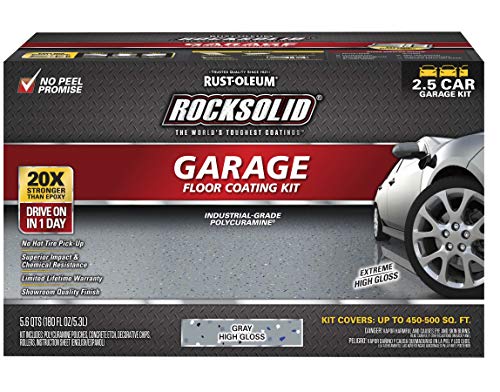
The RockSolid Polycuramine kit from Rust-Oleum is a two-part, burst pouch coating designed for interior concrete surfaces including garages and workshops. Described as 20 times stronger than traditional epoxy, it aims to deliver a durable, glossy finish with low odor and low VOC. The product is self-leveling and buildable, enabling a smooth surface for heavy foot and vehicle traffic. The coating cures to a walk-on ready state in 8-10 hours and becomes vehicle-ready within 24 hours, supporting quick project turnaround on busy weekends or after a workday.
Features include a self-leveling, buildable formula and an emphasis on quick, sturdy results. While it requires careful surface preparation for the best adhesion, users report a robust finish that withstands abrasion and chemical exposure typical of garages. This option is well-suited for homeowners seeking a high-gloss, durable sealant that can serve as a long-term garage floor solution.
EpoxyShield Garage Floor Coating Kit (1 Car)
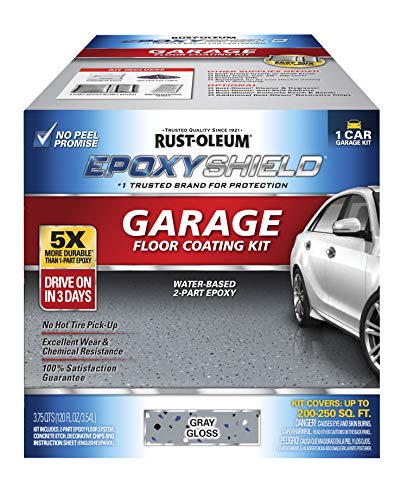
This Rust-Oleum EpoxyShield kit uses a two-part epoxy formula designed for interior concrete surfaces such as garages and basements. It creates a professional glossy finish that’s easy to clean and provides long-lasting protection. The system claims to be five times harder than some 1-part paints and is walk-on ready in about 24 hours, with drive-on readiness at around three days. The kit emphasizes durability and a high-gloss look that resists staining and wear from vehicle use, making it a strong option for full-floor protection.
Considerations include surface preparation needs, open time for the two-part epoxy, and consistent mixing of components. This option suits homeowners who want a reliable epoxy solution with proven adherence and a strong final appearance, while also factoring in a moderate cure window before use.
Concrete Floor Topcoat Satin Clear

This topcoat from Rust-Oleum provides a satin, clear seal over existing garage floor coatings to enhance UV protection and defend against surface wear. While not a stand-alone heavy-duty coating, it offers a protective layer that helps resist weathering, hot tire pickup, and chemical exposure when applied over an epoxy or concrete paint. It’s appropriate for garages seeking added gloss retention and surface longevity without a full epoxy recoat.
Users should note that this product is designed as a protective topcoat rather than a full coating system. It complements existing coatings and can extend their life, particularly on surfaces exposed to sunlight and weathering. Proper surface preparation remains essential for best results.
DWIL Garage Floor Epoxy Kit

The DWIL kit covers garage floor epoxy with a high-gloss finish and a focus on durability and low odor. It’s a water-based epoxy coating designed for concrete, offering a relatively quick dry time and a long lifespan. The kit emphasizes rapid cure, with foot traffic permissible after a few days and vehicle access after about a week, which helps minimize downtime for busy homeowners. Durability against repeated vehicle movement and abrasion is highlighted as a key benefit.
Considerations include curing time, odor levels, and the requirement for thorough surface prep to ensure strong adhesion. This option balances ease of use with performance, making it suitable for homeowners who want a dependable epoxy system with straightforward instructions and reliable results.
Cement Crack Filler 2Pack Grey

This two-pack cement crack filler from Heelos focuses on elastic, fast-drying crack repair for concrete surfaces, including driveways and garage floors. The product is designed to move with substrates to prevent re-cracking, with a cure window of roughly 24–48 hours for a smooth finish. It provides a waterproof barrier to protect against moisture ingress and UV exposure, contributing to longer-term floor integrity where cracking might otherwise compromise a coating.
Ideal use cases include sealing minor cracks before applying a coating or as a stand-alone crack repair for low-traffic areas. The filler is compatible with various weather conditions and supports a straightforward application that reduces the risk of future damage due to ground movement or temperature shifts.
Buying Guide: Key Purchase Considerations For Garage Floor Sealants
When evaluating garage floor sealants, several factors determine long-term success. The following perspectives help compare options across coatings, epoxies, and crack fillers to match different garage needs.
- Durability and abrasion resistance: Epoxy-based coatings generally offer superior hardness and chemical resistance, essential for garages with vehicle traffic and chemical exposure. Polycuramine products may deliver even higher abrasion resistance with thicker builds.
- Cure time and use readiness: Quick walk-on and drive-on times minimize downtime. If you need the space available soon after application, consider products touting shorter cure windows, while ensuring proper ventilation during curing.
- VOCs and odors: Low-VOC formulas improve indoor air quality and are preferable for attached garages or living spaces nearby. Water-based systems typically have lower odor compared with solvent-based options.
- Surface preparation: Proper cleaning, etching, and maybe etching and moisture testing ensure adhesion and longevity. Some products require priming or etching before coating, which adds steps but improves results.
- Crack repair compatibility: For existing cracks, consider fillers that elastically move with the substrate to prevent re-cracking. In some cases, repairing cracks first can extend coating life and reduce maintenance.
- UV and chemical exposure: For garages with sunlight exposure or chemical spills (oil, gasoline, driveway salts), UV stability and chemical resistance are important to preserve finish color and integrity over time.
- Finish appearance: Glossy versus satin finishes affect light reflectivity and perceived space. A brighter, glossier finish can make small garages feel larger, while satin finishes hide minor imperfections.
- Long-term maintenance: Some coatings require resealing every few years, while others are designed as long-term installations. Plan for periodic checks and potential reapplication to maintain protection.
- Budget and project timeline: Entry-level epoxy kits may be more affordable, but premium polycuramine systems can offer better durability. Consider your project timeline and whether you can accommodate multiple coats and cure periods.
Other Considerations For A Garage Floor Upgrade
Beyond sealants and coatings, assess whether you need moisture management, threshold sealing, or crack prevention measures in tandem with a coating. Threshold seals can prevent water intrusion from the door, and weatherproof strips aid in energy efficiency and cleanliness. If your garage has frequent exposure to rain, snow, or vehicle leaks, combining a crack filler with a robust epoxy coating could yield the most durable solution.
All options listed here provide concrete-protection strategies suitable for American garages and workshops. Your choice should align with traffic levels, contamination risks, ventilation, and how quickly you want the space back in service after application.