Rentals benefit from thermostats that balance energy efficiency with ease of use for tenants. The following smart thermostats are well-suited for rental properties, offering remote control, simple installation, and energy-saving features. Each option supports common smart assistants, helps manage occupancy, and reduces energy waste when spaces are unoccupied.
| Product | Brand |
|---|---|
| ecobee Smart Thermostat Essential | ecobee |
| ecobee Smart Thermostat Premium | ecobee |
| ecobee Smart Thermostat Enhanced | ecobee |
| Sensi Smart Thermostat (ST55) | Emerson |
| meross Smart Thermostat | meross |
The list focuses on models that are ENERGY STAR certified, support major voice assistants, and offer DIY installation options. Consider compatibility with existing HVAC equipment, C-wire requirements, and the ease of remote management when selecting a thermostat for a rental property. The following sections provide concise overviews of each option, followed by a buyer’s guide to help property owners compare features such as energy savings, scheduling, and privacy considerations.
ecobee Smart Thermostat Essential

The ecobee Essential supports Wi-Fi connectivity and a color touchscreen for quick adjustments. It’s ENERGY STAR certified and designed to work with major voice assistants (Siri, Alexa, Google Assistant). Notable energy benefits include potential savings of up to 23% annually on heating and cooling costs when the thermostat aligns with user schedules. It is compatible with a high percentage of systems, and ecobee provides a compatibility checker to confirm fit with a specific HVAC setup. Free software updates extend the device’s usefulness over years of use in a rental property.
ecobee Smart Thermostat Premium
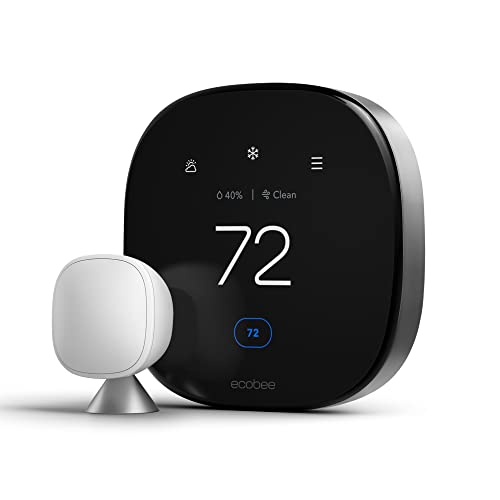
This premium model includes a SmartSensor for prioritizing temperature control in the most-used rooms and an integrated air quality monitor. ENERGY STAR certified, it promises higher annual savings—up to about 26%—and reduces hot or cold spots by adjusting settings in occupied zones. The large display, modern design, and occupancy sensing improve tenant comfort. The device ships with a sensor valued at around fifty dollars and can alert residents to air quality issues while suggesting improvements, such as changing filters.
ecobee Smart Thermostat Enhanced
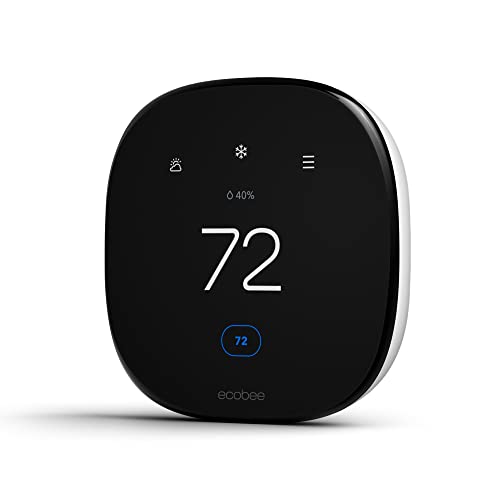
The Enhanced model focuses on automatic temperature management when occupants are away, preheating or precooling for comfort when tenants return. ENERGY STAR certified, it also adjusts for humidity, helping maintain a consistent feel in the home. The thermostat adapts to occupancy patterns to reduce energy use and support a comfortable environment whether the unit is occupied or vacant, making it a practical choice for rental properties with varying tenant schedules.
Sensi Smart Thermostat (ST55)
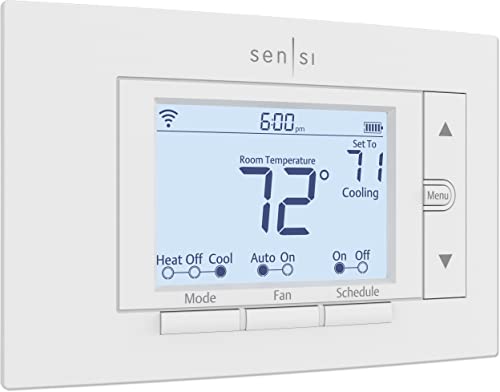
Manufactured by Emerson, Sensi emphasizes privacy protection and straightforward DIY installation. It supports remote access, flexible scheduling, and usage reports, and is ENERGY STAR certified. The thermostat is designed for compatibility with a wide range of HVAC equipment in typical homes and generally avoids requiring a C-wire, though some setups may benefit from one. This model emphasizes simple operation for renters and landlords alike, with a focus on energy savings around 23% when effectively programmed.
meross Smart Thermostat
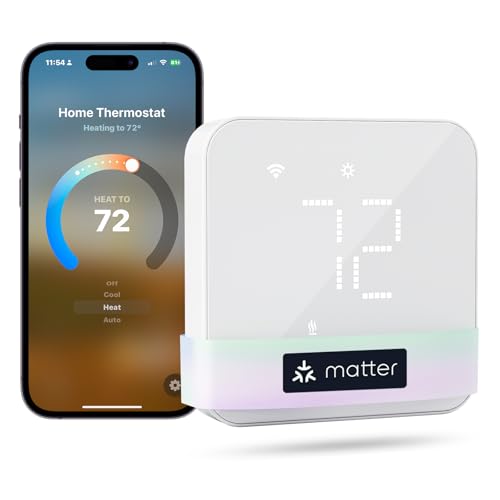
The meross thermostat supports Matter and works with major platforms including Alexa, Apple Home, and Google Assistant. It requires a C-wire for reliable operation and supports 2.4GHz Wi-Fi networks. It offers 7×24 scheduling, energy-saving features, and remote control via a dedicated app. Ensure compatibility with your HVAC system before purchase, and note that a C-wire adapter can be a helpful addition for systems lacking a common wire. It is positioned as a versatile choice for homes with varied system configurations.
Sensi Lite Smart Thermostat (ST25)

The Sensi Lite model emphasizes privacy and ease of DIY installation, with ENERGY STAR certification and flexible scheduling. It works with most HVAC systems and offers remote access plus usage reports. This option is suitable for renters who want a straightforward, budget-friendly smart thermostat without extra frills. C-wire considerations apply for heat pump and certain heating/cooling setups, but many standard homes do not require one.
Google Nest Thermostat
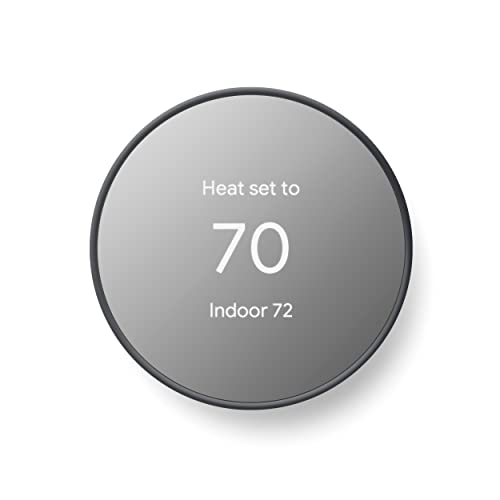
The Nest Thermostat provides energy-saving features with AI-assisted scheduling and occupancy detection. It is designed to work with or without a C-wire in many homes. The thermostat connects via Wi-Fi and supports Voice Assistants through integrated ecosystem compatibility. It offers energy-saving reminders and a “leave home” behavior to minimize energy use when spaces are unoccupied. It is a solid option for rental properties seeking seamless integration with other Google or Nest-enabled devices.
Honeywell Home Smart Thermostat X2S

The Honeywell Home X2S supports WiFi-based remote control, Matter certification, and compatibility with major voice assistants (Alexa, Google Assistant, Apple HomeKit). It requires a C-wire for proper operation in many setups, though some homes may operate with a C-wire adapter. It offers customizable scheduling across multiple program options and includes energy-saving features such as auto-away and humidity awareness. This model emphasizes flexible programming and compatibility with a broad range of smart home ecosystems.
Buying Guide
- Compatibility: Check HVAC compatibility with your current system (gas, electric, heat pump, conventional). Use compatibility checkers offered by manufacturers to avoid incompatibilities in a rental unit.
- Power needs: C-wire availability is a common requirement. If your system lacks a C-wire, consider thermostats that work without one or plan for a C-wire adapter installation.
- Energy savings: Look for ENERGY STAR certification and claimed annual savings (typically 20–26%). Verify how scheduling, geofencing, and occupancy sensing contribute to savings in rental scenarios with fluctuating tenants.
- Ease of installation: DIY-friendly models simplify turnover between tenants. Battery-powered or easy-to-wire units reduce maintenance time for property managers.
- Privacy and data handling: Some models emphasize data privacy and do not sell personal information. Review privacy policies and data usage to protect tenant information.
- Voice assistant ecosystems: If tenants rely on specific ecosystems (Alexa, Google Assistant, Siri), choose models with broad compatibility and straightforward setup.
- Display and usability: A large, clear display and responsive touchscreen can improve tenant experience. Consider models with high-contrast displays for readability in various lighting conditions.
- Maintenance alerts: Air-quality monitoring and filter reminders help tenants maintain healthy environments and reduce service calls.
- Rent-ready features: Some thermostats offer auto-away, scheduling presets, and remote access that streamline property management and reduce on-site visits.
- Warranty and support: Check warranty length and availability of online support or compatibility checks, which can simplify device support during tenancy changes.