Choosing the right battery for smoke detectors and other emergency devices ensures alert readiness when it matters most. The following five options balance longevity, reliability, and availability, helping households maintain power for alarms, radios, and safety gadgets during outages or emergencies.
| Product | Brand | Type | Approximate Lifespan |
|---|---|---|---|
| Energizer MAX 9V Batteries (4 Pack) | Energizer | Alkaline 9V | Long-lasting power for everyday devices |
| Duracell Coppertop 9V Battery, 6 Count | DURACELL | Alkaline 9V | Long-lasting, dependable power |
| Duracell Coppertop 9V Battery, 2 Count | DURACELL | Alkaline 9V | Reliable power for household devices |
| Tenergy 9V Lithium Batteries | Tenergy | Lithium 9V | Up to 10 years shelf life; extended runtime |
| PKCELL 9V Battery Carbon Zinc | PKCELL | Carbon Zinc 9V | Ultra long-lasting, affordable option |
Energizer MAX 9V Batteries (4 Pack)
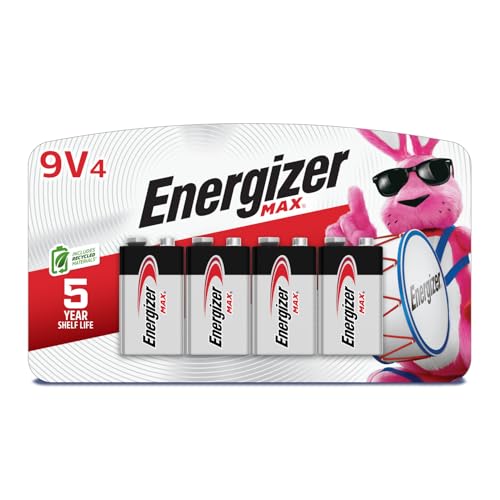
The Energizer MAX 9V alkaline battery pack provides reliable, long-lasting power suitable for smoke detectors and other everyday devices. Designed to deliver dependable performance, these 9V batteries are a common choice for households seeking consistent wake-up and alert capabilities during emergencies. They are suitable for smoke detectors, safety devices, handheld meters, and toys, making them a versatile option for home safety gear.
Duracell Coppertop 9V Battery, 6 Count
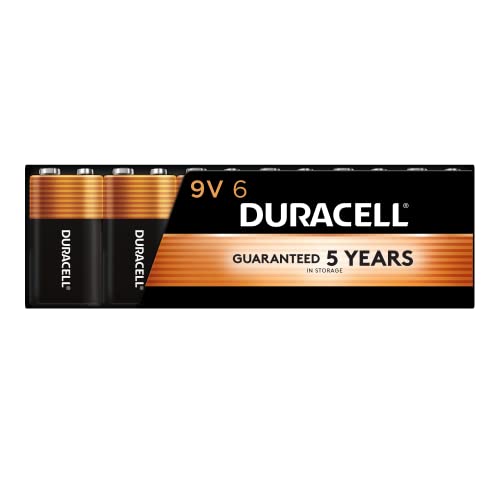
Duracell Coppertop 9V alkaline batteries are built for dependability, delivering lasting power for home electronics, including smoke detectors, remote controls, and flashlights. With a five-year storage guarantee, these batteries are designed to stay ready in long-term outages or seasonal preparedness kits. Duracell is a trusted brand for everyday power needs and emergency readiness.
Duracell Coppertop 9V Battery, 2 Count

This two-pack of Duracell Coppertop 9V alkaline batteries emphasizes dependable power for home devices and safety equipment. They are designed for longevity and broad compatibility, covering everyday devices in addition to critical safety gear like smoke detectors and radios. The brand’s reputation for reliability makes these batteries a staple in many households.
Tenergy 9V Lithium Batteries
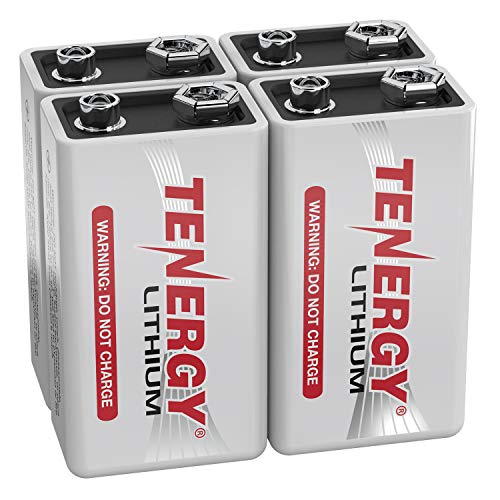
The Tenergy 9V Lithium batteries offer higher capacity and longer runtime than standard alkaline cells, providing up to 2.5 times more power. They are designed for back-up power in AC-powered smoke detectors and other devices requiring extended life. With ultra-low self-discharge and date stamping for freshness, these lithium cells are positioned as a premium option for critical security devices.
PKCELL 9V Battery Carbon Zinc

PKCELL 9V Carbon Zinc batteries provide an affordable option for devices with low power demands. While not as long-lasting as high-end alkaline or lithium cells, they can be suitable for backup use in smoke detectors and other less power-intensive equipment. They are marketed as a low-cost solution with adequate performance for everyday safety needs.
Buying Guide: Key Considerations For Smoke Detector Batteries
- Type and longevity: Alkaline 9V batteries are common and affordable, while lithium 9V cells offer longer life and better performance in demanding conditions.
- Shelf life vs. real-world life: Some brands guarantee storage life (e.g., 5 years), but practical life depends on device power draw and outage frequency.
- Device compatibility: Ensure the battery type matches your smoke detectors and safety devices; some units prefer lithium for extended reliability during power outages.
- Brand reliability and availability: Established brands like Energizer and Duracell are widely available and backed by consumer trust.
- Cost considerations: Carbon zinc options are economical but generally offer shorter life; higher upfront cost may be offset by longer intervals between changes with lithium or high-quality alkalines.
- Storage and safety: Store in a cool, dry place; check for leakage protection and inspect devices after long storage periods.
- Safety readiness: Regularly test smoke detectors and replace batteries at least once a year or per manufacturer guidelines to maintain alert readiness.