Choosing the right steel for a pocket knife depends on edge retention, toughness, corrosion resistance, and ease of sharpening. The following five knives showcase a range of steel types—from high-end alloys to budget-friendly steels—covering common EDC needs, outdoor use, and everyday tasks. This guide highlights what makes each steel choice unique, helping you pick a blade that aligns with your priorities, whether you hunt, camp, or simply open packages around the clock.
| Product | Brand | Steel Type |
|---|---|---|
| CIVIVI Mini Praxis Folding Pocket Knife | CIVIVI | D2 Steel |
| Gerber Paraframe Mini Pocket Knife | Gerber | Stainless Steel |
| Kershaw Filter Frame Lock Knife | Kershaw | 4Cr14 Steel |
| Cold Steel Recon 1 | Cold Steel | CPM-S35VN |
| KOMWERO Damascus Pocket Knife | KOMWERO | VG10 Damascus |
CIVIVI Mini Praxis Folding Pocket Knife
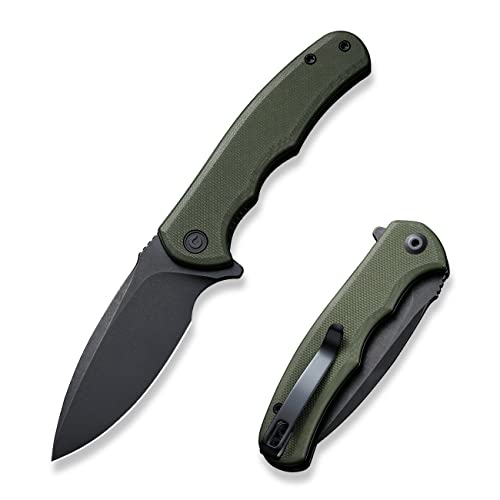
The CIVIVI Mini Praxis uses a black stonewashed D2 steel blade, balancing edge retention, corrosion resistance, and ease of sharpening. Its compact 2.98″ blade is well-suited for everyday carry and legal in most jurisdictions. A G10 handle provides a comfortable, moisture-resistant grip, while a ceramic ball-bearing pivot enables quick, one-handed deployment and reliable opening with a strong detent for long-term use. This knife fits well for daily tasks, camping, and light-duty survival needs without bulk.
Gerber Paraframe Mini Pocket Knife

The Gerber Paraframe Mini features a 2.2″ plain-edge stainless steel blade with a minimalist frame-lock design. The lightweight stainless steel construction and a convenient pocket clip make it ideal for everyday carry. Its compact size is suitable for tasks like quick cutting, opening packages, and light outdoor use. The streamlined design prioritizes portability and ease of use while maintaining durability for regular carry and occasional outdoor tasks.
Bfonder EDC Folding Pocket Knife

The Bfonder EDC folding knife features a 3.15″ high carbon steel blade with a 440C stainless steel handle and a sturdy pocket clip for secure carry. The knife emphasizes a secure folding mechanism with a reliable lock, ensuring safe use and transport. One-hand deployment is supported by a thumb stud and button lock design, making it a versatile option for quick access during daily tasks or outdoor activities.
Cold Steel Recon 1

The Recon 1 uses CPM-S35VN steel with a DLC coating for exceptional edge retention and corrosion resistance. Its slim, lightweight frame is paired with a secure G-10 handle to provide a reliable grip in challenging conditions. The knife’s deployment and locking mechanism are designed for robust performance, making it a strong choice for users who need a resilient blade for outdoor tasks, camping, and daily carry in harsher environments.
KOMWERO Damascus Pocket Knife

The KOMWERO Damascus pocket knife offers a 76-layer Damascus blade with a VG10 core, rated around 58-59 HRC for sharpness and corrosion resistance. The wood handle and ball-bearing flip provide an elegant, tactile grip with reliable one-handed operation. A liner lock helps ensure the blade stays open during use, appealing to collectors and users who value aesthetics alongside practical performance in outdoor and daily tasks.
Buying Guide: Key Steel And Knife Purchase Considerations
- Edge retention: Higher alloy content and hardening typically improve how long a blade stays sharp under use. CPM-S35VN and VG10 Damascus blades tend to maintain an edge longer in demanding tasks than many budget steels.
- Toughness and resilience: D2 and 4Cr14 offer strong wear resistance, but ductility matters for tasks like batoning or prying. For rough outdoor use, consider steels with proven toughness and reliable heat treatment.
- Corrosion resistance: Stainless steels (like 4Cr14 and stainless variants) resist rust in humid or salty environments. Non-stainless steels (like D2) require more maintenance to prevent corrosion but can outperform stainless in edge retention when properly treated.
- Sharpening and maintenance: Some steels are easier to sharpen in the field (e.g., D2 can be sharpened with standard stones), while others may require specialized equipment. Consider your sharpening setup and frequency.
- Size and handle design: Small EDC blades favor accessibility and concealability. Larger handles improve grip security during heavy tasks. Material choices (G10, wood, stainless, or aluminum) influence texture, moisture handling, and weight.
- Intended use: For daily tasks like opening packages and light chores, a stainless or mixed steel blade with a reliable lock and comfortable handle suffices. For outdoor or survival scenarios, prioritize edge retention, corrosion resistance, and a secure grip under gloves.
- Legal and portability considerations: Blade length and locking mechanisms can affect legality in different regions. Ensure the knife complies with local laws and fits your pocket or pack size.