Sun blocking window films reduce heat, glare, and UV exposure while preserving daylight and daytime privacy. This article highlights five top options and provides a buying guide to help American homeowners pick the right film for windows, bathrooms, offices, and living spaces. Each product section includes key features, installation notes, and practical considerations for energy savings and interior protection.
Summary table of selected products:
- Coavas One Way Window Privacy Film (Black, 17.7 x 78.7 inches) — Heat control, 85% IR rejection, 95% UV blocking
- rabbitgoo Blackout Window Film (17.5 x 78.7 inches) — 100% UV rejection, blackout privacy
- KESPEN Window Privacy Film One Way Daytime Privacy (Black-Silver, 17.5 x 6.5 feet) — 82% IR, 90% UV, daytime privacy
- Savvy Choice Anti-Glare Window Film (17.5 x 78.7 inches) — 93% UV, 85% IR, daytime privacy
- Haton Window Privacy Film One Way (Silver, 17.5 x 78.7 inches) — 90% UV, 85% IR, static cling
Coavas One Way Privacy Film For Daytime Privacy

Coavas offers a one way film designed to reflect heat and control light. The film reflects up to 85% of infrared rays, stabilizing indoor temperatures and reducing HVAC loads. It blocks about 95% of UV rays to protect fabrics and furnishings from fading. The film provides daytime privacy with a mirror effect when outside lighting is brighter than inside, while nighttime privacy can require curtains. A durable PET composition aims to resist impact and maintain clarity over time, with an emphasis on energy efficiency and glare reduction.
rabbitgoo Blackout Window Film For Sleep And Privacy
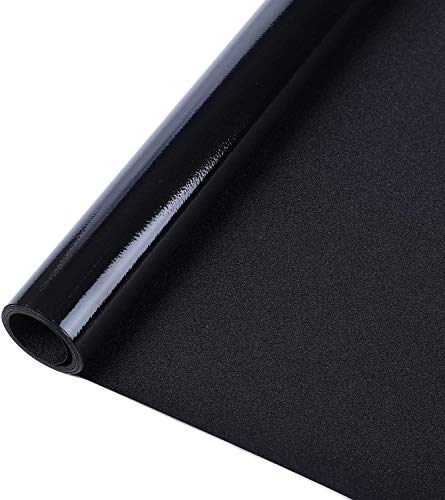
rabbitgoo’s blackout film aims for maximum privacy and light blocking, suitable for bedrooms and nurseries. It blocks 100% of UV rays, reducing sun exposure and minimizing fading of interiors. The film uses a static cling application, avoiding glue and chemicals, enabling easy DIY installation. It is designed to adhere to smooth glass surfaces and provides high privacy with a solid opaque look. Note: The product advises against use on certain double-panel window configurations to avoid cracking, emphasizing proper window type checks before application.
KESPEN One Way Daytime Privacy Window Film

KESPEN offers a daytime privacy film with a one way mirror effect. It blocks about 82% of infrared rays and 90% of UV rays to protect furnishings and skin. The film includes 12% VLT to maintain a balance between privacy and visible light. It provides energy savings by reflecting heat and is designed for both home and office use. The privacy effect depends on lighting conditions; daytime privacy is strongest when outside light is brighter than inside, with night privacy requiring curtains or blinds for full concealment.
Savvy Choice Daytime Privacy Window Film
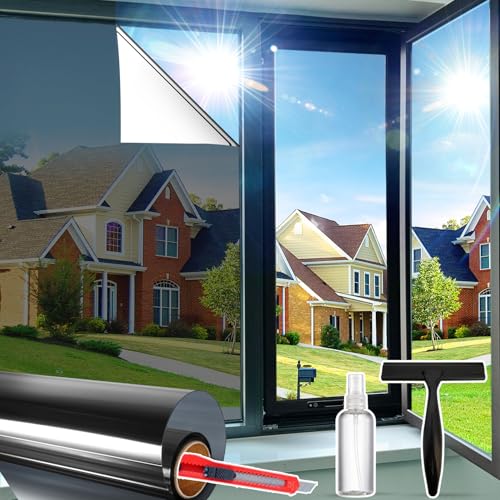
Savvy Choice emphasizes daytime privacy with a reflective mirror effect when outside light is brighter. The film reflects a significant portion of the sun’s heat, helping to keep interiors cooler and contribute to energy savings. UV blocking is listed at 93%, while IR blocking is around 85%, aiding in protecting furniture and reducing glare. The packaging notes include a paper tube with free tools to assist installation. Nighttime privacy should be managed with curtains, as the mirror effect may diminish when interior lighting is strong.
Coavas One Way Window Privacy Film – Daytime Mirror

This Coavas option focuses on a durable PET structure and sunset-to-sunset privacy. It offers daytime privacy via a reflective mirror while maintaining see-through visibility from inside when lighting conditions favor the interior. The film claims 88% UV blocking and 90% heat reduction, contributing to interior protection and energy savings. It emphasizes shatter resistance and anti-peel properties, suggesting two-person installation for best results and to avoid air pockets during application.
Buying Guide: Key Considerations For Choosing Sun Blocking Window Film
- Privacy needs: Decide between daytime privacy (mirror effect) and nighttime privacy (curtains recommended). Some films perform better when outside is brighter than inside, while others require additional window coverings for full darkness.
- Light transmission: Look at visible light transmission (VLT) percentage. Lower VLT means darker film and less interior glare, but may reduce natural daylight. Higher VLT preserves light but offers lighter privacy.
- UV and IR blocking: A film with high UV rejection protects interiors and skin, while IR blocking reduces heat gain. Consider how much energy savings you want and how hot your climate is.
- Installation method: Static cling films are glue-free and reversible but may require meticulous cleaning and smoothing during application. Adhesive-backed films offer potentially longer durability but can be messier to remove.
- Window type compatibility: Some films are not recommended for double-pane or special glass configurations. Always verify window type before purchase to avoid cracking or poor adhesion.
- Durability and safety: Look for PET-based films for improved impact resistance and shatter protection. Consider anti-peel layers and packaging that helps prevent damage during transit.
- Ease of removal and reuse: If you anticipate changes or temporary privacy needs, choose static cling or non-adhesive options that can be repositioned or reused.
- Installation tools: Some films ship with installation kits (squeegees, spray bottles, and scrapers). If not included, plan for separate purchases to ensure a smooth setup.
Across these products, the common goals are to block heat, reduce glare, protect furnishings, and maintain daytime privacy without sacrificing exterior visibility from inside. For spaces requiring full blackout or sleep-friendly conditions, blackout variants offer stronger UV protection and light blocking, though privacy during the night should be managed with curtains or blinds. For offices and living rooms, balancing VLT and privacy is key to preserving natural light while limiting external view.