The best tillers can turn compacted ground into loose, airy soil ready for roots to thrive. This guide highlights five reliable options to help American gardeners start fresh plots, expand beds, or amend existing soil. Each choice balances power, maneuverability, and durability, so you can select a model that fits your space and project size. Below you’ll find concise product details, practical features, and a buying guide to compare options side by side.
| Product | Brand | Key Benefit |
|---|---|---|
| Cordless Tiller for Gardening 360 RPM TH4000 | TaskStar | Cordless, lightweight power with 48 steel tines |
| Mantis 7940 4-Cycle Tiller Cultivator | Mantis | US-made, proven reliability, compact and easy to maneuver |
| AidBuilt 212CC 7HP Gas Tiller | AidBuilt | Adjustable width, significant torque for hard soil |
| Altdorff Rotary Cultivator Garden Tiller | Altdorff | Heavy-duty steel head, durable reinforced handle |
| Garden Weasel Cultivator and Hand Tiller 90206 | General Tools | Manual option with detachable tines for small jobs |
Cordless Tiller for Gardening 360 RPM TH4000 Cultivator

The TaskStar TH4000 is a cordless tiller designed for breaking ground, soil tending, and compost mixing. It features a 360 RPM motor and 48 heavy-duty steel tines to provide smooth soil breaking and consistent performance. This model emphasizes ease-of-use for both beginners and experienced gardeners, delivering professional results without fuel mixing or cords tethering you to outlets. A practical option for raised beds, small plots, and mid-sized gardens, it prioritizes portability and quick setup while maintaining strong tilling capability.
Mantis 7940 4-Cycle Tiller Cultivator
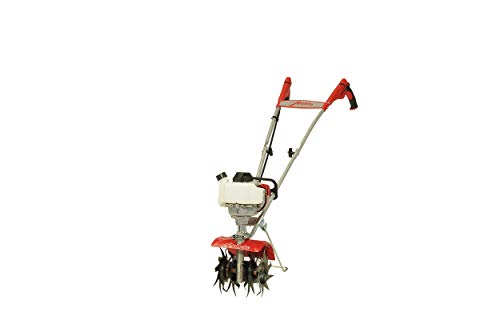
The Mantis 7940 uses a robust Honda 4-cycle engine (gas, no fuel mix) with 25cc power, driving tines at higher speeds for efficient tilling. It is made in the USA and carries a 2-year limited warranty, underscoring quality and local craftsmanship. Weighing about 24 pounds, it balances lightness with enough torque to handle moderate soil. With up to 240 RPM tine speed, this model suits small to medium garden beds and tight spaces where maneuverability matters.
AidBuilt 212CC 7HP Gas Tiller

The AidBuilt tiller packs a 212cc, 7HP 4-stroke OHV engine to power through tough soils, including clay and rocky patches. It offers adjustable width up to 22 inches and a tilling depth up to 6 inches, enabling customization for different garden sizes and soil conditions. Dual forward and reverse controls facilitate navigation in dense beds or tight spaces. This model is aimed at larger plots and commercial-style tasks where powerful, consistent tilling is essential.
Altdorff Rotary Cultivator Garden Tiller

The Altdorff rotary cultivator emphasizes durability with a solid steel head and reinforced three-section handle. The wider, stronger tines dig deeper into soil and break clumps efficiently, making it suitable for preparing new garden beds or rejuvenating tough soil. The design focuses on robust leverage and user comfort, helping reduce fatigue during extended tilling sessions.
Garden Weasel Cultivator And Hand Tiller 90206

This manual hand tiller by Garden Weasel provides a compact, lightweight option for small gardening tasks. It features detachable tines for easy storage and maintenance, along with rust- and weather-resistant carbon steel construction. It’s a practical choice for gardening touch-ups, bed edges, or topsoil mixing in tight spaces where a powered tiller isn’t necessary.
Buying Guide: Key Purchase Considerations
Choosing the right tiller depends on soil type, garden size, and user preference for power versus portability. Consider the following factors to align a tiller with your project:
- Soil conditions: For clay or rocky soil, heavier-duty gas-powered models or high-torque electric models with multiple tines perform best. For loose, sandy soil, lighter cordless tillers may suffice.
- Power source: Gas tillers deliver maximum torque and depth but require more maintenance and fuel; electric and cordless models offer cleaner operation and easier start-up.
- tilling width and depth: Adjustable-width tillers help tailor the job to the bed size; ensure the depth matches your planting needs.
- Weight and maneuverability: Lighter machines are easier to transport and maneuver in narrow rows, while heavier units tend to handle tough soil better but require more effort to move.
- Maintenance and warranties: US-made options often emphasize longer warranty periods and accessibility of service, which can influence long-term cost of ownership.
- Attachments and accessories: Detachable tines, reverse functionality, and ease of storage can impact daily usability and versatility for composting or soil mixing tasks.
For users prioritizing eco-friendliness and ease of use, cordless electric tillers provide a clean, low-maintenance solution for smaller plots. Gardeners tackling dense or heavy soils might prefer gas-powered models with higher horsepower and adjustable tilling width to handle larger beds efficiently. Durability, warranty coverage, and local availability are practical considerations when comparing brands for long-term garden projects.