The right tools for cutting ceiling tiles streamline installation, reduce waste, and improve the finish along shadowlines and edges. This guide highlights five top tools favored by professionals and DIYers for precise cuts, stable handling, and durable construction. Each product is evaluated based on cutting precision, ease of use, and overall build quality to help you choose confidently for ceiling tile projects.
Quick Reference
| Product | Brand | Key Benefit |
|---|---|---|
| Shadowline Ceiling Tile Cutter | TOOLPRO | Precise shadowline cuts with ergonomic handling |
| Adjustable Circle Hole Cutter | KLEIN TOOLS | 2–7 inch adjustable holes with dust control |
| Tile Nipper | QEP | Rust-resistant steel for irregular tile shapes |
| Trim Puller | Goldblatt | Wide contact area reduces damage to trim and walls |
| Circle Cutter for Drywall | Msiud | Adjustable pivot point for precise circular cuts |
Shadowline Ceiling Tile Cutter For Clean Edges
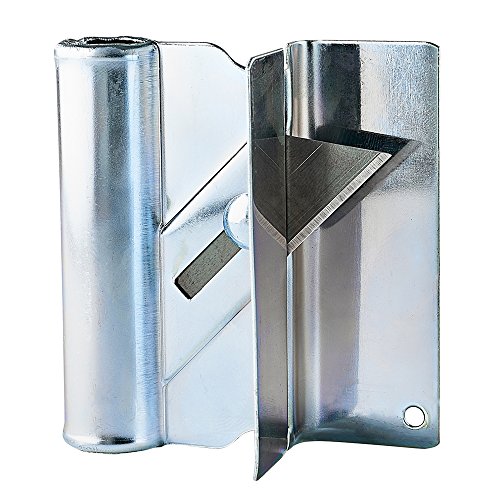
The ToolPro Professional Shadowline Ceiling Tile Cutter is designed for precision cutting on shadowline edges, drywall, and construction joints. Its durable construction supports heavy-duty use while the ergonomic handle provides comfortable handling, enabling steady guiding and accurate edge finishing. This tool is suitable for both professionals and hobbyists who need clean, consistent cuts in ceiling tile work.
Klein Tools Adjustable Circle Hole Cutter

The Klein Tools 53710 Hole Saw features an adjustable circle hole cutter with a dustbowl and an integrated vacuum port. It handles drywall and ceiling tiles from 2 to 7 inches in diameter. The auto-set arms and integrated gearing simplify size changes, saving time on the job. The spring-loaded collar keeps the cutter perpendicular to the surface for controlled, precise cuts, making it ideal for clean circular openings in ceilings and tiles.
Goldblatt Trim Puller For Trim Removal
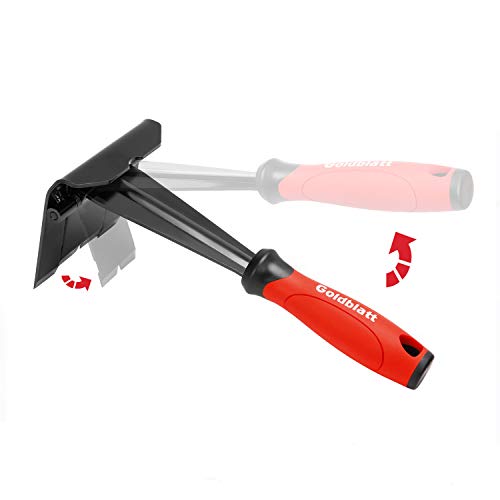
The Goldblatt Trim Puller is a 4-inch multi-tool designed for commercial and home improvement work. Its larger contact area and integrated wedged center increase removal efficiency while minimizing damage to trim, walls, and adjacent surfaces. Constructed from carbon steel with a corrosion-resistant finish, it offers durability for repetitive tasks such as baseboard and molding removal around ceiling tiles, cabinets, and countertops.
Msiud Drywall Circle Cutter
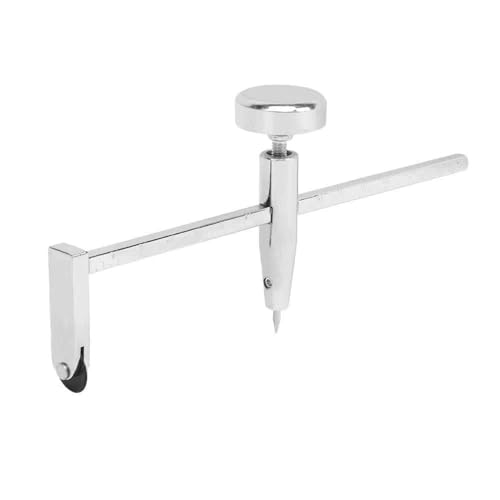
The Msiud Drywall Circle Cutter offers an adjustable pivot point and inch/metric calibration for precise circular holes in drywall and ceiling tiles. It emphasizes durability with a compact design for easy operation in tight spaces. This cutter is suitable for professional installations requiring accurate round openings without fraying or wobble.
Buying Guide
- Cutting precision: For ceiling tiles, choose tools with stable guides, perpendicular cutting action, and minimal blade deflection to achieve clean edges around shadowlines and edges.
- Material compatibility: Consider whether you primarily cut drywall, tile, or mixed materials. Tools with durable steel construction and rust resistance will endure long-term use.
- Ease of use: Ergonomic handles, integrated dust collection, and simple size adjustments can reduce fatigue and speed up installation, especially on larger projects.
- Hole and circle capabilities: For ceiling tiles with irregular openings or light fixtures, hole cutters with adjustable diameters, pivot points, and safety features help maintain accuracy and reduce waste.
- Durability and maintenance: Look for tools with replaceable blades or components, corrosion resistance, and robust construction to withstand job-site conditions.
- Safety: Use tools with guards, stable bases, and non-slip grips to prevent slips during cutting, especially when working overhead or with large tiles.
When selecting tools for cutting ceiling tiles, balance precision with practicality. For straight edges and shadowlines, a cutter designed for drywall finishing often performs best. For circular openings around fixtures, an adjustable circle hole cutter with dust control helps keep the work area clean and minimizes edge chipping. Finally, removal tools like trim pullers simplify backing work and reduce tile or wall damage during removals or adjustments. Considering these factors will help ensure a professional finish on ceilings while minimizing material waste and labor.