Choosing the right roof underlayment is essential for long-lasting protection against moisture, wind-driven rain, and temperature swings. This guide reviews five top underlayments and provides a practical buying guide to help you compare options for asphalt, cedar, metal, or rubber systems. Each product is evaluated for durability, ease of installation, UV exposure, and code approvals to support American homeowners and builders in making informed decisions.
Summary of chosen products
| Product | Brand | Type | Key Strengths |
|---|---|---|---|
| SIPA 100 GSM Synthetic Waterproof Underlayment | SIPA | 100% synthetic, 100 GSM | High UV tolerance, extensive code approvals, large coverage |
| Tyvek Protec 200 Roof Underlayment | Tyvek | Self-adhered breathable | Wrinkle-free, Class A fire rating, long warranty |
| ZIP System Peel & Stick Underlayment | ZIP System | Waterproof ice & water barrier | Self-adhered, nailed sealing, wind-driven rain protection |
| DuPont Roof Protector Roofing Underlayment | DuPont | Multiple-layer | Enhanced tear resistance, strong grip, durable build |
| Grace Rubber Roof Underlayment | Grace | Rubberized asphalt | Excellent fastener seal, slip-resistant |
SIPA 100 GSM Synthetic Underlayment

The SIPA underlayment provides a robust 100 GSM synthetic construction designed for primary defense against water intrusion. Its large coverage (approximately 1,000 square feet) reduces the need for seams and overlaps in many installations. It meets or exceeds standard performance benchmarks (ASTM D4869, ASTM D226) and carries additional listings such as TDI CCRR and Florida Building Code approvals, with UV exposure rated up to 60 days. This combination of certifications supports its suitability for varied climates and roof styles, from steep slopes to flat sections, making it a versatile choice for many projects.
Key considerations for SIPA include UV exposure tolerance, the consistency of the surface for easy installation, and how its nonwoven or woven composition handles fasteners without tearing. For American homeowners, the product’s listed certifications offer an assurance of compliance with industry standards, while its broad coverage can help reduce labor time on larger roofs.
Tyvek Protec 200 Roof Underlayment

Tyvek Protec 200 is a premium underlayment engineered for high performance with a focus on protection against leaks and wrinkles-free installation. This four-by-roll system is designed for typical residential roof profiles and works well with asphalt, cedar, and metal roof coverings. It is backed by DuPont’s trusted Tyvek brand, offering a history of durability and reliability. The Protec 200 is suitable for new construction and reroofing, with a focus on ease of repair and long-term performance in varied weather conditions.
Consider Tyvek Protec 200 if you prioritize trouble-free installation and a trusted brand name that aligns with professional-grade roofing. Its compatibility with multiple roof types and the assurance of Tyvek’s durability can be advantageous for homeowners seeking a long-term underlayment solution with predictable performance in different climates.
Titanium PSU30 Peel & Stick Underlayment
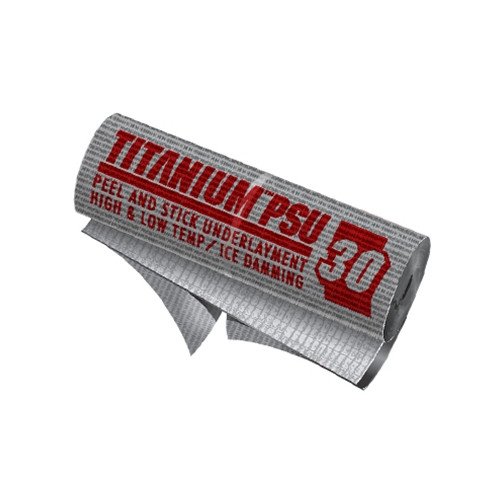
The Titanium PSU30 by INTERWRAP is a peel-and-stick underlayment designed for watertight performance across diverse conditions. It offers an all-temperature performance range from -40 to 240 degrees Fahrenheit, making it a strong candidate for regions with temperature extremes. The product also provides up to six months of UV exposure tolerance, enabling temporary outdoor durability during construction or maintenance phases. This self-adhered system is especially effective at sealing around nails and joints, reducing the risk of leaks at fasteners and penetrations.
Selecting a peel-and-stick option like the PSU30 can simplify roofing in challenging areas such as eaves, valleys, or complex roof lines. Its robust temperature tolerance helps ensure a reliable seal in both cold and hot climates, though proper surface preparation and installation technique are essential to maximize adhesion and performance.
Tyvek Protec 200 Roof Underlayment
Tyvek Protec 200 is revisited for emphasis on code compliance and performance. This underlayment is designed to deliver reliable moisture resistance while supporting efficient installation with a crisp, wrinkle-free surface. The Class A fire rating per ASTM E110 and ICC-ES AC188 approvals add to its credibility for building codes in many U.S. jurisdictions. The 50-year replacement warranty (where applicable) reflects a long-term commitment to durability, while Miami-Dade County approval confirms resilience against high-wind and severe weather scenarios.
The Protec 200 blend of durability, fire resistance, and broad approvals makes it a strong contender for new builds and reroofs where code compliance and long-term protection are priorities. Installers often appreciate its stability and the ease of achieving a clean, uniform deck surface before shingling or paneling.
DuPont Roof Protector Roofing Underlayment
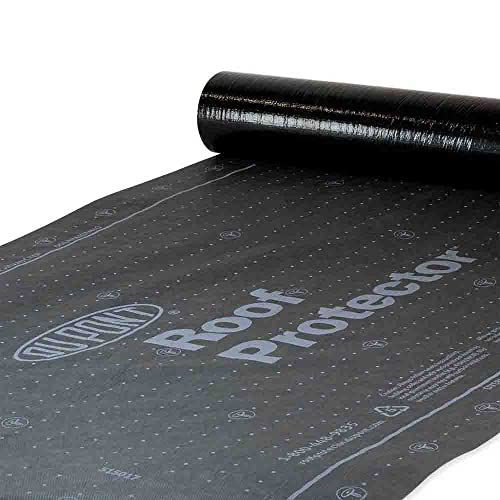
DuPont Roof Protector is a multi-layer underlayment designed to protect both the roof deck and the installer during application. It emphasizes tear resistance and secure moisture barriers, with a four-layer structure: top grip, lamination barrier, woven polypropylene scrim for strength, and a slip-resistant coating for deck traction. This combination aims to balance protection, ease of handling, and long-term performance for a range of roof types. The result is a durable product suited for challenging roof pitches and exposure conditions where a resilient underlayment is essential.
For projects requiring enhanced grip and robust moisture management, the DuPont Roof Protector provides a compelling feature set. It is particularly advantageous for trades where fasteners and laps need consistent sealing and where crew safety and efficiency are priorities during installation.
Grace Rubber Roof Underlayment

Grace Rubber Roof Underlayment features a rubberized asphalt layer designed to seal tightly around fasteners and create a water-tight barrier. It brings superior adhesion to the deck, forming robust water-tight laps and providing slip-resistant surface for improved safety during installation. The membrane’s tensile strength and flexibility make it suitable for roofs with complex contours or where movement due to temperature changes is a concern. Its protection profile is well-suited for areas prone to wind-driven rain and ice dam-related risks.
Choosing Grace Rubber Underlayment can be advantageous for projects prioritizing a strong seal around penetrations and an easy-to-handle, abrasion-resistant surface. While rubberized asphalt products tend to be more sensitive to surface preparation, they deliver reliable performance in demanding climates when installed correctly.
Buying Guide: Key Purchase Considerations
- Climate and weather exposure: In areas with frequent UV exposure, high wind, or ice dam risks, self-adhered or UV-tolerant underlayments (e.g., peel-and-stick or Protec 200) may offer superior performance.
- Roof type compatibility: Asphalt shingles, cedar shakes, metal, and flat roofs each benefit from different underlayment properties. Verify compatibility with your roofing material before purchasing.
- Code approvals and certifications: Look for ASTM, ICC-ES, Miami-Dade approvals, and fire ratings to ensure compliance with local building codes.
- UV exposure duration: If the underlayment will be exposed during construction, longer UV-rated products reduce risk of degradation while the roof is being completed.
- Ease of installation: Self-adhesive options minimize laps and improve sealing around fasteners, especially in complex roof geometries.
- Durability and tear resistance: Higher tear resistance reduces the risk of damage during installation and over the roof life, particularly on steep pitches or with heavy equipment.
- Warranty and service life: A longer warranty is usually indicative of confidence in the product’s performance and durability.
- Cost vs. value: Consider labor savings from faster installation and fewer callbacks when evaluating underlayment options.
In sum, the best underlayment for your roof depends on climate, roof type, local code requirements, and installation preferences. Peel-and-stick and high- UV-rated options generally serve demanding climates well, while multi-layer or rubberized products excel in durability and seal integrity around fasteners and penetrations. For most residential projects, selecting an underlayment with proven certifications, ease of installation, and a track record of performance offers a reliable path to a leak-proof roof.