Choosing the right water sealer for a wood fence helps extend life, preserve color, and resist weathering. The products below are selected for American yards and varied climate conditions, from clear sealers that maintain natural grain to tinted finishes that enhance appearance. This guide compares seven popular options and highlights five that best fit typical fence needs, including ease of application, UV protection, and odor or environmental considerations.
| Product | Brand |
|---|---|
| Thompson’s WaterSeal Transparent Waterproofing Wood Stain | Thompson’s Water Seal |
| Eco Advance Exterior Wood Siloxane | Eco Advance |
| Seal-Once MARINE | Seal-Once |
| Ready Seal 512 Exterior Stain And Sealer | Ready Seal |
| Thompson’s WaterSeal Solid Color | Thompson’s Water Seal |
Thompson’s WaterSeal Multi-Surface Stain: Clear Finish
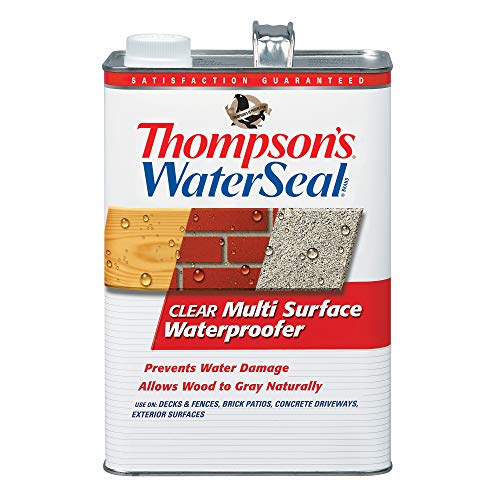
Thompson’s WaterSeal Multi-Surface Waterproofing Stain provides a clear finish that waterproofs exterior wood surfaces while letting texture show through. It hides the grain slightly but preserves natural color and enhances outdoor wood with fade-resistant polymers that resist UV damage. The product is designed for wood fences, decks, and other exterior surfaces, offering a simple, one-coat solution for protection against moisture and weathering.
Key considerations
- Clear finish preserves natural wood texture
- Fade-resistant UV protection
- Suitable for multiple exterior surfaces
Thompson’s WaterSeal Transparent Waterproofing Wood Stain

This transparent stain adds color while safeguarding wood against water intrusion. While it enhances outdoor spaces, it remains transparent enough to show wood texture. The finish is fade-resistant and UV-protected, enabling year-round protection for fences exposed to sun and precipitation. This option is ideal for homeowners who want a natural look with dependable waterproofing.
Key considerations
- Transparent tint, wood texture visible
- UV resistance for longevity
- Good for fences and decks seeking a natural look
Thompson’s WaterSeal Semi-Transparent Chestnut Brown

This semi-transparent stain adds a warm chestnut tint while sealing out moisture. It hides the wood grain to some extent but preserves surface texture, offering a balance between color and grain visibility. The product features fade-resistant polymers to keep color looking fresh across seasons and UV resistance to minimize color change due to sun exposure. Suitable for fences requiring a touch of color without full-coverage saturation.
Thompson’s Water Seal 21802 VOC Wood Protector

Thompson’s Wood Protector offers a clear waterborne finish with a VOC-compliant profile. It provides straightforward protection for outdoor wood surfaces, including fences, against moisture and weathering while meeting environmental standards. The product emphasizes compatibility with a variety of wood types and straightforward application for DIY homeowners.
Ready Seal 512: No-Prime Exterior Stain
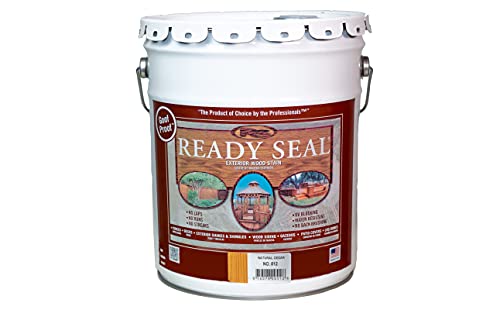
Ready Seal’s 512 is a no-primer exterior stain and sealer designed for quick, even coverage. It is darkest when first applied and cures to a lasting color. Suitable for fences, it can be applied with a sprayer, roller, or brush, and it minimizes runs, laps, and streaks with no back brushing required. This option emphasizes ease of use for larger fence projects and consistent color development as it dries.
Seal-ONCE MARINE 1 Gallon

Seal-Once MARINE provides a UV-stable, water-based coating designed for high-moisture environments. It acts as a penetrating wood sealer and stain, creating a long-lasting protective barrier against saltwater, rainfall, and humidity. The ultra-low VOC formula makes it suitable for coastal fences and other outdoor wood structures, while remaining safe for aquatic ecosystems. It supports long-term color retention and water resistance for exposed wood.
Buying Guide
When selecting a wood fence sealer, consider these factors to match climate, wood type, and maintenance needs:
- Finish type: clear, semi-transparent, or solid color. Clear preserves grain; semi-transparent adds color; solid color hides grain and provides more uniform appearance.
- Protection level: UV resistance, water repellency, and mildew resistance. For sunny climates, prioritize UV protection; in wet areas, prioritize moisture barriers.
- Application method: brush, roller, or spray. Some products are spray-ready and require no back brushing, which speeds up large fence projects.
- Environmental and health considerations: low VOC formulas are preferable for homes with children, pets, or near water features.
- Drying and recoat windows: check cure times and recoat intervals to plan maintenance around seasons.
- Durability and wildlife safety: consider products with marine or outdoor-specific formulations if fences are near pools or coastal environments.
- Material compatibility: ensure the sealer is suitable for your fence wood (e.g., cedar, pine, pressure-treated).
Comparative notes
- Clear and transparent stains provide minimal color change but emphasize wood texture.
- Semi-transparent and solid-color finishes offer longer color retention and stronger moisture barriers.
- Water-based formulas tend to dry faster and have lower odor, but some may require more frequent reapplication in extreme sun.
- Oil-based options often penetrate deeper and offer rich color but can have higher VOCs and longer cure times.
Choosing the right sealer depends on whether you prioritize preserving natural wood appearance, achieving a tinted finish, or maximizing protection in harsh climates. For most fences, a semi-transparent or transparent waterproofer with UV resistance delivers a balanced blend of aesthetics and durability.