When selecting copper pipe and flexible connectors for water heaters, the best choice depends on your setup, space, and installation needs. This guide highlights five copper-based options designed to connect water heaters, softeners, and related appliances. It helps you identify who each product is best for, potential limitations, and how to choose the right connector for your home. The top picks emphasize lead-free copper, corrosion resistance, and ease of installation for DIY enthusiasts and professional installers alike. A quick product comparison is summarized below to aid quick decision-making.
Summary table of chosen products
| Product | Best For | Key Benefit | Notable Limitation |
|---|---|---|---|
| EZ-Fluid 12″ Corrugated LF Copper Connector | Homes with hot water heaters and water softeners | Lead-free, flexible, FIP x FIP ends | 12″ length may be short for tight spaces |
| Water Connector 15″ Flex Copper | Bulk replacements & multi-location projects | Extended length for versatility | Bulk packaging; may require fittings |
| TOMOON 24″ Flex Water Heater Hoses | Replacement and repair in various pipe types | Stainless braid, lead-free; heavy-duty | Longer hose may require routing adjustments |
| EZ-Fluid 12″ Stainless Steel Corrugated Gas Line | Gas appliances and multi-use lines | Stainless corrosion protection; epoxy coating | Gas-specific use; verify compatibility |
| Pure Copper Tubing 3/16″ OD x 5 FT | DIY refrigeration and small-diameter runs | Solid copper tubing; seamless manufacturing | Rigid vs. flexible connectors |
EZ-Fluid 12″ Corrugated LF Copper Hot Water Heater Connector
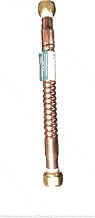
Best for: Homeowners upgrading or replacing flexible connections between a water heater and supply lines. This corrugated, lead-free copper connector is designed for hot water heaters, tankless systems, and water softeners. It features 3/4″ FIP x 3/4″ FIP ends to fit standard iron pipe fittings and steel pipe with NPT threading. Use this when space permits a flexible run to absorb vibration and reduce stress on rigid piping.
Why selected: Lead-free copper provides safe, durable water supply connections. The corrugated design adds flexibility, making alignment easier during installation. It is suitable for both new builds and retrofits where standard fittings are used on both ends.
Best for: Quick swaps and limited-space installations that require a compact, compliant connector. Better for: users needing a direct FIP-to-FIP connection without copper stiffeners. Caution: Ensure proper gasket seating and avoid overtightening to prevent leaks.
Water Connector 15″ Flex Copper (Bulk)

Best for: Bulk projects or multiple installations where uniform flex copper connections are needed. This 15″ flex copper connector offers a longer reach for arranging supply lines with less stress on fittings. Its bulk nature makes it convenient for installers handling several units at once.
Why selected: Flexible copper connectors reduce strain at connections and improve service life by accommodating movement. The 15″ length provides versatility for appliances and nearby shielding or framing. Caution: Confirm that the FIP and SWT (slip- or thread-type) ends match your existing valves and fittings to avoid mismatches.
TOMOON Water Heater Hoses 3/4″ Flex 24″ with Ball Valve

Best for: Replacement, repair, and new installations in homes or apartments needing flexible, durable hoses with a 3/4″ FIP end and a quick-connect ball valve. The kit is designed to fit copper, PEX, or CPVC pipes with push-fit ends and threaded connections.
Why selected: The stainless steel braid and lead-free brass fittings provide enhanced durability and reduced burst risk, especially for high-temperature environments. It supports up to 200°F and 200 psi, making it suitable for many residential water heaters. Caution: Ensure gasket seating is tight but avoid over-tightening to prevent leaks.
EZ-Fluid Corrugated Stainless Gas Connector (Epoxy Coated)

Best for: Gas-related installations where a corrosion-resistant line is needed and epoxy-coated flexibility matters. This option suits ranges, dryers, and gas appliances that require a durable connector with fibrous protection.
Why selected: Stainless, epoxy-coated connectors resist corrosion and scale buildup, making them reliable in long-term gas and hot-water installations. Choose this if your project involves gas appliances or you need robust protection for frequent use. Caution: Verify compatibility with gas codes and ensure proper sealants and fittings for safe operation.
Pure Copper Tubing 3/16″ OD x 5 ft

Best for: DIY projects requiring small-diameter copper runs, such as refrigeration or tight conduit applications. This seamless tube is suited for controlled, precise installations where flexibility is less critical than copper purity and size accuracy.
Why selected: Pure copper tubing offers excellent thermal conductivity and reliability for low-to-medium pressure runs. It is a solid choice when you need a rigid, corrosion-resistant copper path for a dedicated appliance or device. Caution: It is rigid; plan layout to minimize bending and consider additional fittings for turns.
Buying Guide: Key Purchase Considerations
What connection type do you need? End types (FIP, MIP, SWT) must match your valve and pipe fittings. If you are replacing an existing line, measure the distance and confirm end fittings before buying.
Is flexibility important? Corrugated copper connectors provide flexibility to absorb movement and reduce stress. For tight spaces, shorter runs may be easier to route, while longer flex lines offer versatility for multi-appliance layouts.
Material and safety: Look for lead-free copper for potable water. Stainless or epoxy-coated options add corrosion resistance and longer service life in challenging environments.
Temperature and pressure ratings: Ensure the hose or tubing can handle your heater’s temperature (often up to 180–200°F) and pressure (commonly up to 150–200 psi). Exceeding ratings risks leaks or bursts.
Durability and installation ease: Braided stainless steel hoses resist bursting and scale buildup, making them a good choice for frequent use or high-temperature water. Smooth inner surfaces reduce sediment buildup in some setups.
Professional vs DIY: If you’re unfamiliar with gas lines or water heater connections, consider professional installation, especially for gas lines or high-pressure systems. For DIY, choose products with clear installation guidelines and compatible fittings.
FAQ
- What is the difference between FIP and MIP copper connectors? FIP (Female Iron Pipe) and MIP (Male Iron Pipe) refer to threaded ends. Match them to the corresponding male or female fittings on your system to ensure a leak-free connection.
- Are copper connectors safe for drinking water? Yes, lead-free copper connectors are designed for potable water; verify lead-free certification and local codes for compliance.
- Can I use flexible copper connectors for gas appliances? Some connectors are designed for gas. Always confirm the product is rated for gas use and follow all applicable codes and safety guidelines.
- How do I prevent leaks after installation? Tighten fittings per manufacturer guidelines, use appropriate thread sealant or tapes if recommended, and verify gasket seating without overtightening.
- Which product is best for bulk installations? The 15″ flex copper connector in bulk packaging is ideal for multiple, repetitive installations where a consistent length is beneficial.
- Do copper hoses outperform rigid copper tubes? Flex hoses can reduce stress on fittings and absorb movement; rigid copper tubing provides durability and precise routing in fixed layouts.