Keeping 925 sterling silver jewelry sparkling requires the right approach to avoid scratches, tarnish, and dullness. This guide walks through safe methods, everyday tools, and practical tips to restore shine while protecting delicate details.
Readers will find practical steps, common troubleshooting, and buying guidance for products designed to clean, polish, and maintain 925 sterling silver jewelry at home.
Quick Answer
For most 925 silver pieces, use a gentle cleaner or a dedicated tarnish remover, then rinse and dry thoroughly. For intricate pieces, a soft polishing cloth and a soft-bristle brush help remove buildup without scratching. Avoid harsh chemicals, and test any new product on a small area first.
What You’ll Need
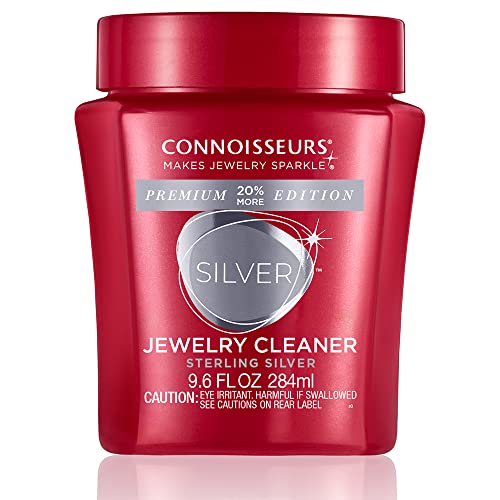
- sterling silver jewelry cleaner solution 925
- ultrasonic cleaner for silver jewelry 925 sterling
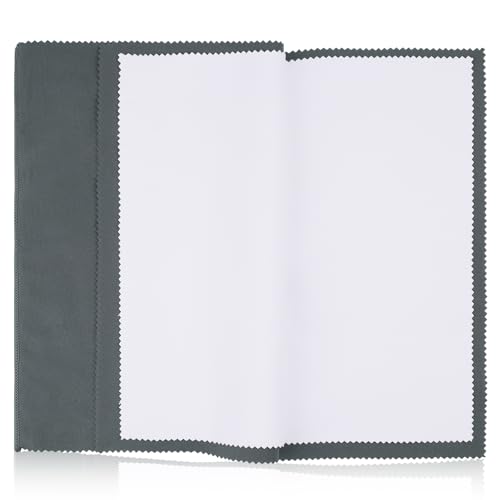
- polishing cloth for 925 sterling silver jewelry
- silver jewelry cleaning kit sterling silver 925
- tarnish remover for 925 sterling silver jewelry

Before You Start
Assess the piece: Monograms, gemstones, and marcasite settings may react differently to cleaners. Always read product labels for metal compatibility and avoid bleach-based formulas. Work in a well-lit area and wear gloves if you have sensitive skin. Time estimate: 15–30 minutes for routine cleaning, longer for heavily tarnished items.
Critical cautions: Do not soak jewelry with glued-in stones unless the product explicitly allows it. Avoid ultrasonic cleaning on soft stones (like opals or pearls) and on vintage or antique items with delicate settings. If the piece has patina or intentional darkening, consider leaving it intact or consulting a professional.
Step-By-Step: How To Clean 925 Silver Jewelry
- Prepare a clean workspace and lay out a soft towel. Inspect the piece for loose stones or fragile clasps before cleaning.
- Choose a cleaning method: mild silver cleaner solution or tarnish remover designed for 925 silver. Avoid abrasive scrubs that can scratch the metal.
- Dip or apply the cleaner according to the product instructions. For dips, time is typically short; for liquids, gently swish the piece.
- For intricate areas, use a soft-bristle brush or a microfiber cloth to reach crevices and engraving without scratching.
- Rinse thoroughly with lukewarm distilled water to remove all cleaning residues. Distilled water reduces mineral spots.
- Dry the piece completely with a clean, soft cloth. Residual moisture can cause new tarnish to form quickly.
- If using an ultrasonic cleaner, follow device instructions and limit cleaning to only safe pieces. Check that the item can withstand ultrasonic cleaning and keep the timer short.
- Polish with a dedicated polishing cloth to restore luster. Use light, circular motions and avoid heavy pressure on delicate settings.
- Inspect the jewelry again for shine and any remaining tarnish. Repeat cleaning if necessary, but avoid over-cleaning which may wear away the finish.
- Store properly after cleaning: keep jewelry dry and in anti-tarnish bags or a lined jewelry box to slow future tarnish formation.
- Document any issues you notice, such as loose stones or worn plating, and consider professional service if problems persist.
Troubleshooting
| Symptom | Likely Cause | Fix | Prevention |
|---|---|---|---|
| Dull or patchy areas | Uneven cleaning or residue | Re-clean with fresh solution and thorough rinsing | Rinse thoroughly; use soft cloth |
| Discoloration or yellowing | Exposure to chlorine or harsh chemicals | Stop using abrasive agents; switch to a gentler tarnish remover | Avoid household cleaners on jewelry |
| Scratches or worn surfaces | Abrasive cleaning or over-polishing | Use only soft cloths and gentle pressure | Limit polishing to a few passes |
| Rings or links still tarnished after cleaning | Deep tarnish or porous settings | Apply a dedicated tarnish remover and reuse after specified time | Regular light cleaning helps prevent heavy buildup |
Common Mistakes
- Using abrasive cleaners or scrubbing too hard, which can scratch silver.
- Soaking pieces with glued stones or delicate settings in cleaners not rated for them.
- Neglecting to rinse off cleaning solutions completely, leaving residues.
- Over-reliance on ultrasonic cleaning for all jewelry, which can loosen settings over time.
Avoid these pitfalls by following product instructions, testing on small areas first, and using gentler methods for fragile pieces.
Tips For Best Results
- Store silver in anti-tarnish bags or a dry, low-humidity place to slow tarnish formation.
- Light daily care with a soft polishing cloth helps maintain shine between deeper cleanings.
- For pieces with gemstones, verify compatibility of cleaners before use and opt for stone-safe methods.
- Consider a dedicated silver cleaning kit that includes a polish cloth and a mild tarnish remover for routine care.
Call A Professional
Call a professional jeweler if the piece has extensive tarnish, visible cracks in settings, loose stones, or any sentimental or high-value item. Stop cleaning and seek expert help if you notice unusual discoloration, missing stones, or metal fatigue. For antique items, professional assessment helps preserve value and integrity.
FAQ
Can I clean 925 silver with household bleach?
No. Bleach can damage the metal and any stones or coatings; use recommended silver cleaners instead.
Is ultrasonic cleaning safe for all 925 silver pieces?
Not always. Remove delicate stones and check manufacturer guidance before using an ultrasonic cleaner.
How often should I clean 925 sterling silver jewelry?
Clean as needed to remove tarnish. Light maintenance weekly or monthly is typical, depending on exposure.
What should I do if tarnish returns quickly?
Store properly, use a tarnish remover designed for 925 silver, and consider anti-tarnish storage to slow re-tarnishing.
Buying Guide
When selecting products for cleaning 925 sterling silver jewelry, consider size, compatibility with stones, and storage solutions. This guide reviews key buying factors to help American consumers choose confidently.
- Size and packaging: Choose appropriately sized bottles or kits for the jewelry collection. Smaller sets are convenient for travel, while larger bottles suit frequent cleaners at home.
- Noise level: Ultrasonic devices produce moderate sound. If noise is a concern or you clean in a quiet space, prefer non-ultrasonic methods or low-noise units.
- Energy efficiency: Low-power options are common in compact ultrasonic cleaners. Check energy ratings if available, especially for frequent users.
- Controls and ease of use: Look for simple dip or liquid cleaner formats, and clear timing instructions. Safety features like auto-shutoff can be beneficial.
- Placement and storage: Store cleaners in a cool, dry place away from sunlight and direct heat. Keep out of reach of children and pets.
- Material compatibility: Ensure cleaners are labeled safe for 925 sterling silver and suitable for any gemstones in the pieces.
- Maintenance considerations: Check if the kit includes a polishing cloth, soft brush, and tarnish remover to cover routine care.
By weighing these factors, readers can select a cleaning solution or kit that fits their jewelry portfolio and maintenance routine, keeping 925 silver pieces bright and secure.