Maintaining a hunting knife ensures peak performance and longevity in the field. Proper cleaning removes blood, sap, and corrosion risks while preserving blade integrity and handle safety. This guide covers a practical, step-by-step approach using common tools and safe techniques for American users.
Quick Answer
Clean promptly after use, rinse with warm water, scrub away residue, dry completely, and apply a thin protective oil. For rust or heavy buildup, use a dedicated cleaner and re-oil the blade to prevent corrosion.
What You’ll Need
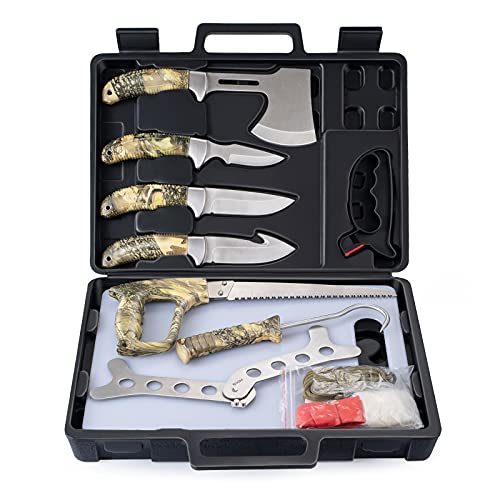
- Hunting knife cleaning kit with brushes and microfiber cloth
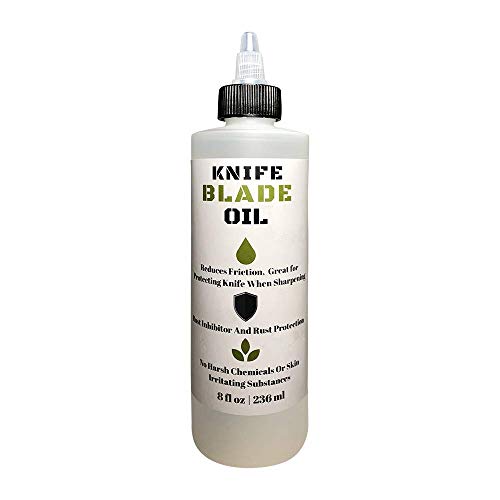
- Stainless steel knife maintenance oil for hunting knives
- Knife rust remover cleaner for hunting knives
- Food-grade mineral oil knife care kit
- Knife cleaning spray degreaser for hunting knife

Before You Start
Prepare a clean, dry work area and gather tools before handling the blade. Avoid soaking knives with wooden handles or leather sheaths in water as this can cause swelling or cracking. If the knife has a locking mechanism or intricate hardware, ensure safety by fully disengaging the lock. Allow the blade to cool after use to prevent heat-related damage.
Step-By-Step: How To Clean A Hunting Knife
- Rinse the blade under warm, running water to remove loose debris. Do not use boiling water on sensitive finishes.
- Apply a knife cleaning spray degreaser or light dish soap to a microfiber cloth and wipe the blade thoroughly, paying attention to serrations and edges.
- Gently scrub with the brush from the hunting knife cleaning kit with brushes and microfiber cloth to loosen sticky residue, then rinse again.
- Dry the blade completely with a clean microfiber cloth to prevent water spots or rust formation.
- If there is rust or discoloration, apply a knife rust remover cleaner for hunting knives following product directions, then rinse and dry.
- Apply a thin layer of stainless steel knife maintenance oil for hunting knives or food-grade mineral oil to the blade, wiping off excess with a clean cloth.
- Inspect the edge for nicks or dullness. If needed, lightly hone with a compatible stone or honing rod, following blade manufacturer guidelines.
- Clean the handle and pommel as needed; wipe down with a damp cloth and dry completely to prevent moisture intrusion.
- Store in a dry, ventilated area, away from moisture and direct sunlight, ideally in a sheath that allows airflow.
- Optional: wipe the blade with a food-grade mineral oil knife care kit to maintain food safety if the knife is used for field dressing.
- Record maintenance intervals to keep blade performance consistent in future uses.
Troubleshooting
| Symptom | Likely Cause | Fix | Prevention |
|---|---|---|---|
| Rust spots persist after cleaning | Residual moisture or old rust | Apply rust remover, re-clean, and re-oil | Dry thoroughly after every use; store dry |
| Edge feels dull quickly | Edge damaged or coarse sharpening | Re-sharpen with proper stone or honing rod | Use a fine grit for touch-ups; avoid metal-to-metal fatigue |
| Handle swelling after cleaning | Water exposure to wood or leather | Completely dry; condition leather with appropriate oil | Keep handle dry and clean; use sheath with airflow |
| Blade shows fingerprinting or spots | Unprotected metal surface | Oil blade thinly; wipe clean | Regular post-clean oiling |
Common Mistakes
- Over-soaking the knife in water, especially with wooden or leather components
- Using harsh abrasive cleaners on coated finishes
- Skipping thorough drying, leading to rust or corrosion
- Ignoring a dull edge; delaying sharpening can cause more wear
- Applying excessive oil, which can attract dirt
Tips For Best Results
- Always dry the knife completely before oil application to avoid trapping moisture
- Use food-grade mineral oil if the blade is used for game processing or food contact
- Select the right cleaner based on rust presence and blade finish
- Store in a dry, ventilated sheath to minimize humidity exposure
- Develop a regular maintenance cadence, such as after every heavy field use
Call A Professional
Seek professional help if the blade has severe pitting, deep chips, or if the handle materials are compromised. Do not attempt complex repairs that could weaken the blade or void warranties. If the knife is a high-value or antique piece, a professional conservator can advise on preservation techniques.
FAQ
How often should I oil my hunting knife?
Oil after each thorough cleaning to protect against moisture and corrosion.
Can I use household oil on my knife?
Yes, but prefer food-grade mineral oil or manufacturer-recommended oils for safety.
What works best for removing rust on a hunting knife?
A dedicated rust remover cleaner applied per the product instructions, followed by oiling.
Is it safe to put my knife in water for cleaning?
Only briefly and never soak; dry completely afterward to prevent damage.
How should I store a hunting knife after cleaning?
Store in a dry, well-ventilated sheath or display area away from moisture and humidity.
Should I sharpen the knife after cleaning?
Yes, inspect the edge and sharpen or hone as needed to maintain performance.
What should I do if the blade has rust under the handle?
Gently remove the handle if possible and treat the rust, consulting a professional if the blade integrity is in doubt.
Buying Guide
When selecting cleaning supplies and maintenance tools for a hunting knife, consider factors that affect both effectiveness and knife longevity.
- <bSize and compatibility: Choose cleaners and oils that suit blade size and finish. Smaller knives may require gentler, precision brushes.
- <bNoise level: Not applicable for cleaning products, but consider fragrance-free options if sensitive environments are a concern.
- <bEnergy efficiency: Not relevant to cleaning products; choose concentrated formulas to minimize waste.
- <bControls: Look for easy-to-use spray bottles, squeezable tubes, and clear instructions for safe handling.
- <bPlacement: Store in a dry, ventilated area; avoid damp basements or hot, humid spaces that promote rust.
Pragmatic buying choices include a multi-tool hunting knife cleaning kit with brushes and microfiber cloth, a reliable stainless steel knife maintenance oil for hunting knives, and a knife rust remover cleaner for hunting knives for occasional heavy buildup. A food-grade mineral oil knife care kit offers safety for field dressing scenarios, while a knife cleaning spray degreaser for hunting knife helps with grease-laden tasks. Assess your typical hunting conditions, blade material, and handle construction to tailor the kit to your needs.