Paella pans, especially carbon steel models, require careful cleaning to preserve their seasoned surface and prevent rust. This guide provides a practical, step-by-step approach for American home cooks to keep their paella pan in top condition.
Whether you cooked a seafood feast or a hearty mixed paella, the right technique helps maintain nonstick-like seasoning and ensures long-lasting performance. Follow these steps and use the recommended tools to avoid damage and frustration in the kitchen.
Quick Answer
Key takeaway: Clean while the pan is still warm, avoid soap on bare seasoning, scrub with a non-metal or mild abrasive, dry immediately, and re-season to protect the surface.
What You’ll Need
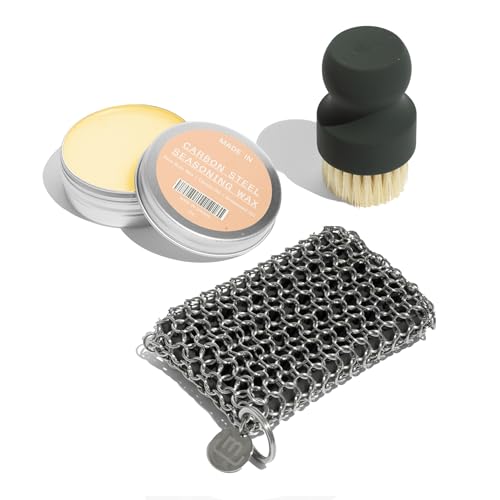
- Carbon steel paella pan cleaning brush
- Stainless steel scrubber for carbon steel paella pan
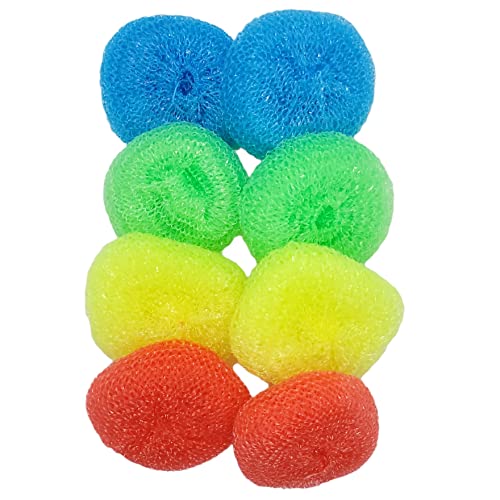
- Non-scratch scouring pad for paella pan
- Paella pan scraper tool
- Dishwashing brush with long handle for paella pan

Before You Start
Prepare a clean, dry workspace. Wear heat-resistant gloves if the pan is still warm. Do not soak a carbon steel pan for long periods; prolonged moisture can promote rust. Rinse with hot water to loosen stuck-on particles, then begin scrubbing. If rust spots appear, address them promptly with targeted scrubbing and re-seasoning.
Time estimate: 5–15 minutes per cleaning session, depending on residue. Always ensure the pan is completely dry before storing.
Step-By-Step: How To Clean A Paella Pan
- Let the pan cool slightly after cooking, then rinse with hot water to loosen food remnants.
- Gently scrub with a dishwashing brush or non-scratch scouring pad to remove stuck bits without damaging the seasoning.
- For stubborn crusts, use a paella pan scraper tool to lift and release stuck-on food without metal scraping that could scratch the surface.
- Rinse again with hot water and dry promptly with a clean towel to prevent rust formation.
- Apply a light layer of neutral oil to the interior after drying to maintain seasoning and protect against moisture.
- Store in a dry place. If stacking with other cookware, place a soft cloth or paper towel between surfaces to prevent scratching.
- If rust appears, scrub with a bit of mineral oil and a non-scratch pad, then re-season the pan by heating lightly and applying oil in a thin coat.
- Perform a quick seasonal maintenance every few uses by repeating cleaning, drying, and a light oil coating to sustain the pan’s patina.
Troubleshooting
| Symptom | Likely Cause | Fix | Prevention |
|---|---|---|---|
| Rust spots | Moisture exposure or prolonged soaking | Scrub with non-scratch pad, re-season, and oil after drying | Dry thoroughly after each wash |
| Food sticking after cleaning | Pan not seasoned adequately or oil applied too thinly | Apply a thin oil layer and heat to cure | Regular maintenance and proper seasoning |
| Soap residue on surface | Soap used during washing | Rinse thoroughly; avoid detergents on seasoned surface | Rinse with hot water and dry immediately |
| Discoloration or dull surface | Inconsistent seasoning or over-cleaning | Re-season with a thin oil coat and heat | Gentle cleaning and regular seasoning |
Common Mistakes
- Using harsh metal scouring directly on seasoned carbon steel surfaces
- Leaving the pan soaking in water for extended periods
- Not drying promptly, leading to rust formation
- Over-cleaning or removing the protective patina during routine cleaning
Tips For Best Results
- Clean while the pan is warm but not scorching hot to maximize residue removal without harming the surface.
- Use the paella pan scraper tool for stubborn bits to minimize scratching.
- Apply a light, neutral oil after each wash to maintain seasoning and prevent rust.
- Store with a breathable cover or a paper towel to reduce moisture buildup.
Call A Professional
Call a professional if you notice deep pitting, extensive rust that won’t respond to re-seasoning, or any deformation in the pan’s shape. Structural damage can affect cooking performance and safety.
FAQ
Can I use soap to clean a carbon steel paella pan?
Minimal soap can be used occasionally, but it is best to avoid frequent washing with soap to preserve seasoning.
How do I remove rust from a paella pan?
Scrub rust with a non-scratch pad, rinse, dry, and re-season the pan to restore its protective coating.
Should I dry my paella pan after washing?
Yes, thoroughly dry to prevent rust, then apply a light coat of oil.
How often should I re-season a carbon steel paella pan?
Season after every thorough cleaning or every few uses to maintain the patina.
Is it safe to store a pan with oil on it?
Yes, a thin oil layer helps protect against moisture, as long as it is wiped clean before use.
Buying Guide
When selecting a paella pan, consider size, material, and maintenance needs. For most home cooks in the United States, a carbon steel pan offers a light weight and classic searing performance, but it requires ongoing seasoning and proper care. Factors to compare include:
- Size: Choose a diameter that matches your stove size and typical serving portions. Common options range from 12 inches to 15 inches for household kitchens.
- Material: Carbon steel pans heat quickly and develop a natural patina; enameled options are easier to care for but may be heavier and more expensive.
- Seasoning: Carbon steel requires regular seasoning with oil; consider whether you’re willing to maintain the patina.
- Cleaning tools compatibility: Ensure you have appropriate brushes, scrapers, and non-scratch pads to protect the surface during cleaning.
- Storage: Look for a pan with a flat base for stability and ensure you have a dry storage area to prevent rust.
- Heat source compatibility: Verify that the pan is suitable for your stove type (gas, electric, induction with appropriate base).
With the right pan and a consistent cleaning routine, you can preserve a seasoned surface that leads to authentic, evenly cooked paella. Would you like a quick recommendation on the best size for a family of four or a guest gathering?