Rocking chairs come in many styles, from classic wood to upholstered fabric. Regular cleaning maintains beauty, longevity, and comfort. This guide focuses on safe methods for both varnished wood rocking chairs and fabric-upholstered models, using practical, accessible tools.
With the right approach, homeowners can refresh wood finishes, remove common stains, and protect fabric without damaging delicate surfaces. The steps outlined below apply to most standard home settings and can be adjusted for different finishes or fabrics.
Quick Answer
Quick method for varnished wood: use a wood furniture cleaner spray, a soft-bristle brush, and a microfiber cloth to wipe down surfaces. For fabric rocking chairs, start with a upholstery cleaner spray and a microfiber cloth, then spot-treat with a brush if needed. Always test cleaners on a hidden area first.
What You’ll Need
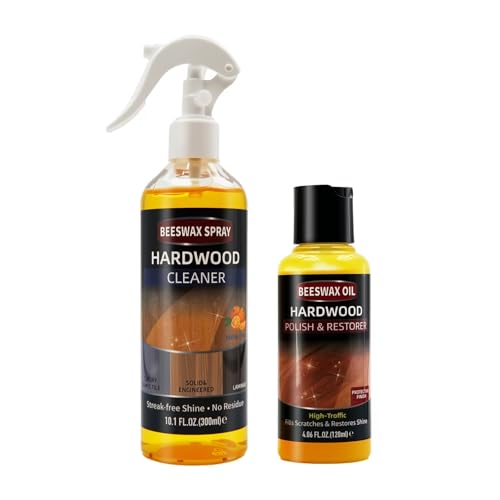
- Wood furniture cleaner spray for varnished rocking chairs
- Furniture upholstery cleaner spray for fabric rocking chairs
- Microfiber cleaning cloths for furniture upholstery
- Soft-bristle furniture cleaning brush for wood surfaces
- Steam cleaner for upholstery and sealed wood surfaces


Before You Start
Assess the chair type—whether it has a varnished wooden finish or fabric upholstery—and choose the appropriate cleaning approach. Protect surrounding areas with a drop cloth or old sheet. Work in a well-ventilated space to avoid lingering cleaners. Time estimate: 20–60 minutes depending on chair condition. Never saturate wood or fabric; excessive moisture can damage finishes or seams.
For fabrics, check care labels or manufacturer guidance if available. For wood, avoid harsh solvents that could strip the finish. If the chair has intricate carvings or delicate joints, prepare to work slowly and carefully.
Step-By-Step: How To Clean A Rocking Chair
- Identify the chair type and test cleaners on a small, inconspicuous area to confirm no discoloration occurs.
- For varnished wood: dust with a dry microfiber cloth, then lightly spray a wood furniture cleaner spray for varnished rocking chairs onto the cloth, not directly onto the surface.
- Gently wipe in the direction of the wood grain to lift dirt without scratching.
- Use a soft-bristle furniture cleaning brush on raised grain or carved details, and follow with a microfiber cloth to remove loosened grime.
- For fabric: vacuum thoroughly to remove loose dirt, then apply furniture upholstery cleaner spray for fabric rocking chairs according to the product label.
- Spot-treat stains with a light, circular motion, using a microfiber cloth dampened with the cleaner; avoid saturating the fabric.
- For stubborn stains, a steam cleaner for upholstery and sealed wood surfaces can help—select a low steam setting and keep the nozzle slightly above the surface to prevent moisture buildup.
- Rinse or wipe away any cleaner residue with a clean microfiber cloth, ensuring the surface is not left wet.
- Let the chair air dry completely in a shaded area before use. Open cushions or remove loose fabric to speed drying if needed.
- Reassess and repeat light cleaning only as necessary to preserve finish and fabric integrity.
- Optional: apply a protective wood conditioner or fabric protector if recommended by product guidelines.
Troubleshooting
| Symptom | Likely Cause | Fix | Prevention |
|---|---|---|---|
| Dull finish on wood | Residue from cleaner or wax buildup | Wipe with a clean microfiber cloth; reapply a wood conditioner if advised | Use small amounts and follow directions |
| Streaks on wood | Moisture not evenly wiped or excess cleaner | Buff with dry cloth in grain direction | Apply cleaner to cloth, not directly to surface |
| Fabric fibers fraying after cleaning | Over-wetting or harsh brushing | Use lighter pressure; limit steam time | Test first; keep moisture low |
| Persistent stain after spot treatment | Stain deeply set or incompatible cleaner | Repeat with fresh cloth and consider alternative stain remover per fabric care | Spot test before each attempt |
Common Mistakes
- Using abrasive brushes or pads on wood finishes, which can scratch or dull the surface.
- Over-wetting fabric, which can cause dye bleed or mold growth in cushions.
- Applying cleaners directly to wood or upholstery, rather than onto a cloth, increasing risk of damage.
- Neglecting to test cleaners in an inconspicuous area before full application.
Tips For Best Results
- Work in sections to ensure even cleaning and faster drying.
- Dust first, then clean to reduce abrasion from trapped particles.
- Follow wood grain direction for smoother results and to protect the veneer.
- Use a separate microfiber cloth for wood and fabric areas to avoid cross-contamination.
- Regular cleaning schedules reduce buildup and simplify maintenance.
Call A Professional
If the rocking chair has antique value, significant structural damage, or if fabrics are heavily stained or delicate, consider consulting a professional upholsterer or furniture restorer. Stop cleaning and seek expert help if you notice cracking, loose joints, or water seepage into cushions.
FAQ
What household cleaners are safe for varnished wood rocking chairs?
Use manufacturer-recommended wood cleaners or a mild spray designed for varnished wood, applied to a microfiber cloth rather than directly to the surface.
Can I use a steam cleaner on wood chairs?
Only if the wood is sealed and the steam setting is low; avoid soaking seams or unfinished edges. Follow manufacturer instructions.
How do I remove ketchup or coffee stains from fabric rocking chairs?
Blot to remove excess liquid, then apply an upholstery cleaner spray as directed; test first in a hidden area.
Is it safe to use wax or polish after cleaning?
For varnished finishes, use a product recommended for sealed wood; avoid buildup by applying sparingly and buffing cleanly.
How often should I clean a fabric rocking chair?
Light cleaning every few weeks and deep cleaning every 3–6 months helps maintain appearance and hygiene.
Buying Guide
When selecting products for cleaning a rocking chair, consider size, noise level, energy use, controls, and placement in the home. For wood surfaces, choose a dedicated wood furniture cleaner spray for varnished rocking chairs and a soft-bristle furniture cleaning brush to reach carved areas. For fabric chairs, a reliable furniture upholstery cleaner spray for fabric rocking chairs paired with microfiber cleaning cloths ensures gentle, effective cleaning without over-saturation.
Key buying factors include how the cleaner’s formula suits your chair’s finish, whether steam cleaning is needed for deeper sanitizing, and how portable the cleaner is for multi-room use. Consider the chair’s placement: nearby outlets for steam cleaners or spray cleaners should guide purchase decisions. Noise level matters for home environments with children or pets, and storage space influences whether a compact kit or a larger set is preferable.
For comparison, evaluate the cleaning efficacy on both wood and fabric sections, notice drying times, and review user feedback on how well confidence is maintained after multiple cleanings. If in doubt, prioritize products that offer clear testing guidance and low-risk formulas designed for mixed surfaces.