Keeping a white mattress pristine requires a thoughtful cleaning routine that targets stains, odors, and dust mites without compromising the fabric. This guide breaks down practical, step-by-step methods using common tools and specialty products to refresh a white mattress and extend its lifespan.
Quick Answer
For a fast refresh, start with a mattress vacuum with upholstery attachment to remove loose debris, then treat stains with a mattress stain remover spray or enzymatic stain remover. Use a handheld steam cleaner for deeper sanitizing, followed by a mattress cleaning brush kit to work in cleaners and lift embedded grime. Allow the mattress to dry completely before making the bed.
What You’ll Need
- Mattress vacuum with upholstery attachment
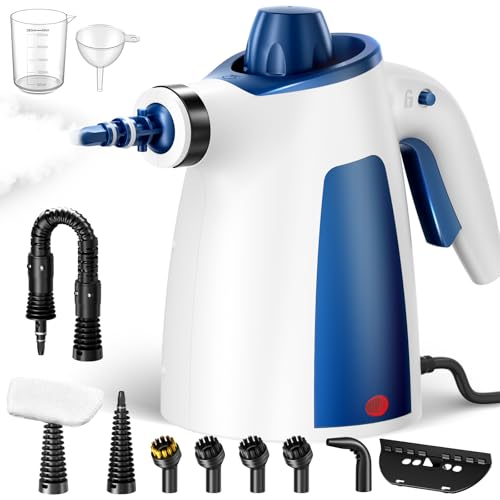
- Handheld steam cleaner for mattresses
- Enzymatic stain remover for mattresses or mattress stain remover spray
- Mattress cleaning brush kit
- Spray bottle with clean water
- Dry towels or microfiber cloths
- Baking soda (optional, for odor neutralizing)


Before You Start
Prepare a well-ventilated area and remove all bedding. Vacuum the entire surface to lift dust and dead skin. If you are sensitive to cleaning products, test a small inconspicuous area first and ensure complete drying to avoid moisture buildup. Never soak the mattress—water saturation can damage internal components and promote mold. Plan for a cleaning session that allows several hours of drying time.
Step-By-Step: How To Clean A White Mattress
- Strip the bed and remove all sheets, pillow protectors, and mattress toppers. Launder fabrics according to label instructions.
- Vacuum the surface with a mattress vacuum equipped with an upholstery attachment. Vacuum in multiple directions to lift dust and debris from seams and edges.
- Spot-treat stains with a mattress stain remover spray or enzymatic stain remover. Apply lightly and blot with a clean cloth, avoiding oversaturation.
- Deep clean with steam using a handheld steam cleaner for mattresses. Move slowly across the surface, focusing on stained areas and seams. Allow surfaces to cool briefly between passes to prevent moisture buildup.
- Brush and agitate with a mattress cleaning brush kit to work the cleaner into fibers. Gentle circular motions help lift grime without damaging the fabric.
- Deodorize sprinkle a light dusting of baking soda over the entire surface. Let it sit for 30–60 minutes to absorb odors, then vacuum again.
- Air dry completely ensure all moisture has evaporated before re-covering the mattress. If possible, place the mattress in a well-ventilated area or near a fan or window to speed drying.
- Inspect and repeat if necessary check for remaining stains or odors and repeat targeted treatments as needed.
Troubleshooting
| Symptom | Likely Cause | Fix | Prevention |
|---|---|---|---|
| Persistent odor | Moisture retained or deeply embedded odor | Reapply baking soda and allow longer drying time; consider enzymatic treatment | Ventilate during drying; avoid over-wetting |
| Stains reappearing after cleaning | Stain penetrated deep into the core | Repeat targeted enzymatic treatment and ensure complete drying | Treat stains promptly; use protective covers |
| Fibers crunchy or harsh after cleaning | Over-brushing or harsh cleaners | Switch to gentler brush settings; rinse with minimal water | Test cleaners on a small area first |
| Moisture near seams or edges | Water seepage during cleaning | Limit spray; use microfiber cloths to blot; increase air flow | Keep cleaning passes brief and controlled |
Common Mistakes
- Using too much liquid or letting the mattress become soaking wet
- Skipping a full drying period, which can cause mold growth
- Using harsh cleaners that may discolor the fabric
- Failing to treat spills promptly, letting stains set
Prevent these issues by applying cleaners conservatively, prioritizing thorough drying, and testing products on a discreet area first.
Tips For Best Results
- Regular maintenance reduces deep cleaning frequency—vacuum weekly and rotate the mattress periodically.
- Use a breathable, moisture-wicking mattress protector to deter future stains and odors.
- For tough stains, combine enzymatic cleaners with mechanical agitation using the brush kit for better extraction.
- Choose scent-free or mild formulas to avoid residual fragrances that accumulate with time.
- Schedule cleaning after heavy use periods (seasonal or post-sick-time) to maintain hygiene without overuse of products.
Call A Professional
Consider professional help if you encounter mold growth, persistent odors despite repeated cleaning, or any signs of structural damage to the mattress core. Stop cleaning and seek expertise if there is visible staining that seems to penetrate deeply or if you notice persistent dampness after drying attempts.
FAQ
Can I clean a white mattress with bleach?
Bleach is generally not recommended for mattresses, as it can degrade fibers and cause discoloration. Use enzyme-based cleaners or mild detergents designed for fabrics.
How often should I clean my mattress?
A routine light vacuum and immediate stain treatment as needed is advisable, with a full deep clean every 6–12 months depending on use and allergies.
Is steam cleaning safe on all mattress types?
Steam cleaning is effective for many mattresses but test a small area first and avoid soaking. Some foam cores may be sensitive to moisture.
What’s the best way to dry a cleaned mattress?
Air drying in a well-ventilated space with good airflow is optimal. If possible, place the mattress in sunlight or near a fan to speed up drying.
Buying Guide
Choosing the right tools to clean a white mattress depends on effectiveness, safety, and compatibility with mattress materials. Consider these factors:
- <bSize and compatibility: Ensure tools fit your mattress dimensions and fabric type. Larger vacuums may be overkill for small beds, while compact options might miss crevices.
- <bNoise level: Look for quieter models if you share a room or have sleeping pets and young children.
- <bEnergy efficiency: Energy-efficient vacuum motors and low-power steam cleaners reduce running costs and heat exposure.
- <bControls and ease of use: Simple spray, steam, and brush controls help maintain consistent cleaning without over-saturation.
- <bPlacement and storage: Consider tools that store neatly in a cleaning caddy or closet with easy access during routine maintenance.
- <bProduct compatibility: Use enzymatic stain removers and mattress-specific sprays to avoid irritating fabrics or leaving residues.
- <bMaintenance and durability: Durable brushes and well-sealed bottles prevent leaks and extend tool life.
When evaluating options, balance convenience with cleaning efficacy. A well-chosen combination—vacuuming, targeted stain removal, gentle steam cleaning, and odor control—delivers a noticeably fresher white mattress. If in doubt, start with the essentials and add specialty products as needed to address lasting stains or odors.