Clean fins on air conditioner coils are essential for efficient cooling and energy savings. This guide walks American homeowners through practical steps to safely clean both condenser and evaporator fins using common tools and purpose-built products.
Regular maintenance helps prevent reduced airflow, overheating, and higher utility bills. While tasks vary slightly by system, following these steps will improve performance and extend the life of your AC unit.
Quick Answer
To clean AC fins, start with gentle brushing to remove loose debris, apply a specialized evaporator coil cleaner spray for fins, and finish with a fin comb to straighten bent fins. For condensers, use a broad spray from a safe distance and a fin comb for maintenance between deep cleanings.
What You’ll Need
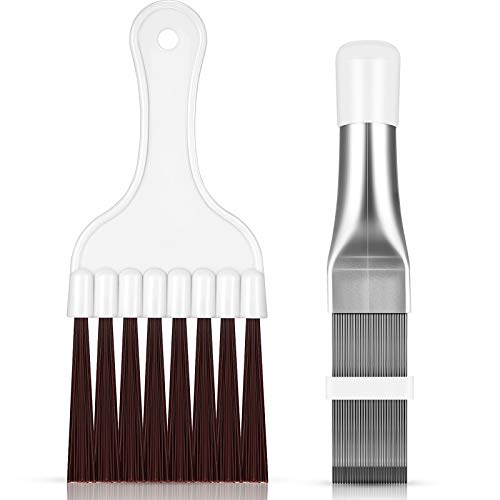
- Aluminum AC condenser coil fin comb
- Fin comb for AC fins
- Evaporator coil cleaner spray for air conditioner fins
- AC condenser coil cleaner spray 32 oz
- Evaporator coil cleaning brush for air conditioner

Before You Start
Before beginning, disconnect power to the unit at the breaker panel to prevent shock. If the condenser is outdoors, protect surrounding areas from overspray and moisture. Wear safety glasses and gloves to guard against sharp fins and cleaning agents. Plan for a 1–2 hour window, plus time for drying. Do not use abrasive brushes or metal tools that can bend or puncture fins.
Step-By-Step: How To Clean Ac Fins
- Turn off the AC and disconnect power at the breaker. Verify the unit is fully de-energized before work begins.
- Gently remove loose debris from the fins using a soft brush or a evaporator coil cleaning brush for air conditioner. Work in a direction perpendicular to the fins to avoid bending them.
- Apply a no-rinse cleaner or a specifically formulated evaporator coil cleaner spray for air conditioner fins to the evaporator area. Allow it to sit for the time indicated by the product instructions.
- Rinse or wipe away loosened dirt with a damp cloth or low-pressure water if the cleaner’s instructions permit. Avoid high-pressure streams that can bend or damage the fins.
- For stubborn dirt, use a aluminum AC condenser coil fin comb or a fin comb for AC fins to carefully straighten and align bent fins. Run the comb through the gaps from the top to the bottom.
- If cleaning a condenser coil, apply a AC condenser coil cleaner spray 32 oz according to the label, focusing on soiled sections. Rinse with a gentle spray after the dwell time.
- Inspect fins for any remaining bends or debris. Repeat brushing and combing as needed until fins appear clean and straight.
- Reassemble any panels and restore power. Monitor the unit for normal operation and airflow over the next several cycles.
Troubleshooting
| Symptom | Likely Cause | Fix | Prevention |
|---|---|---|---|
| Weak airflow after cleaning | Fin damage or clogs remained | Reinspect fins; re-clean with soft brush and comb | Regular gentle maintenance; avoid metal tools on fins |
| Visible bent fins | Debris removal with aggressive tools | Carefully use fin comb; do not force through tight gaps | Routine, light cleaning to prevent severe bending |
| Foul odor during use | Mold or mildew in evaporator coil | Use evaporator coil cleaner spray and allow thorough drying | Ensure proper airflow and humidity control |
| Discolored or corroded coils | Old cleaners or moisture exposure | Replace affected sections or consult a pro for coil replacement options | Use manufacturer-approved cleaners only |
Common Mistakes
- Using metal tools that scratch or bend fins
- Applying excessive cleaner or letting solutions sit too long
- Relying on high-pressure water which can bend fins or push debris deeper
- Skipping power disconnection, increasing risk of shock
Tips For Best Results
- Perform cleaning during cooler parts of the day to avoid rapid drying that can leave residues
- Follow cleaner instructions precisely to prevent chemical damage to coils
- Work from the outer edges toward the center to minimize recontamination of cleaned areas
- Schedule routine maintenance at least once a season, more often in dusty environments
Call A Professional
Consider a pro if fins are severely bent, coils show deep corrosion, or there is extensive mold growth. Stop and contact a technician if the system is under warranty and you’re unsure about compatibility of cleaners with your model. If you smell gas, hear unusual noises, or observe refrigerant issues, seek urgent professional assistance.
FAQ
What cleaner is best for AC fins?
Use a purpose-made evaporator coil cleaner spray for fins or an aluminum coil cleaner that is safe for fins. Always follow the product label.
Can I use a regular brush to clean fins?
A soft brush is acceptable; avoid wire or metal brushes that can damage fins.
How often should fins be cleaned?
Clean annually as part of seasonal maintenance; more often in dusty or sandy environments.
Is it safe to rinse fins with water?
Light rinsing is usually acceptable if the cleaner’s instructions allow it, but avoid high-pressure or soaking that could cause damage.
Buying Guide
When selecting products to maintain AC fins, consider size, compatibility, and ease of use. For coils, choose products formulated for condensers and evaporators that specify safe contact with aluminum fins. Look for gentler solutions that minimize risk of corrosion and avoid aggressive solvents. A good fin comb set should include combs sized for common fin spacings and a comfortable grip. For preventive care, lightweight, non-corrosive cleaners paired with soft brushes provide reliable results without damaging delicate components.
Buying Factors To Compare
- Size and coverage: Larger spray bottles cover more area at once without frequent reloading
- Noise level: Cleaning tools should operate quietly to avoid disturbng household occupants
- Energy efficiency impact: Regular maintenance can improve airflow and reduce energy use
- Controls and simplicity: Products with clear instructions and minimal steps are easier for homeowners
- Placement considerations: Outdoor condensers require weather-resistant formulations
By using the right tools—such as aluminum condenser fin combs, fin combs for AC fins, and specialty coil cleaners—homeowners can safely restore airflow and efficiency. The steps above outline a practical, repeatable process that minimizes risk and maximizes performance, helping systems run cooler and cleaner throughout the season.