Air stones are a simple, effective way to aerate an aquarium and improve water circulation. Over time, mineral buildup, biofilm, and debris can reduce airflow and surface agitation. This guide provides practical steps to restore performance and extend the life of air stones using common cleaning tools and safe solutions.
The following instructions focus on household-friendly methods and quiet equipment to minimize disruption to aquatic life while maintaining a healthy tank environment.
Quick Answer
Regular cleaning of air stones restores airflow and prevents clogging. For routine maintenance, rinse with dechlorinated water, brush away debris with a dedicated aquarium brush, and soak in a descaling solution if mineral buildup is heavy. For stubborn buildup, consider an ultrasonic cleaner designed for aquarium air stones, then rinse thoroughly before reinserting.
What You’ll Need
- Aquarium air stone cleaning brush nylon bristle or a soft brush for gentle scrubbing
- Air stone cleaning sponge brush for aquariums for scrubbing in tight spaces
- Ultrasonic cleaner for aquarium air stones for deeper cleaning
- Descaling solution for aquarium air stones to remove mineral buildup
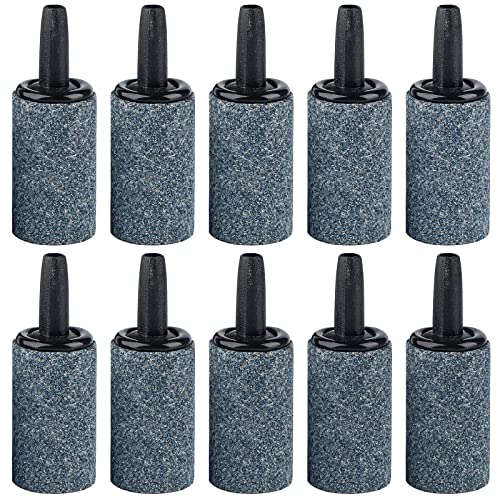
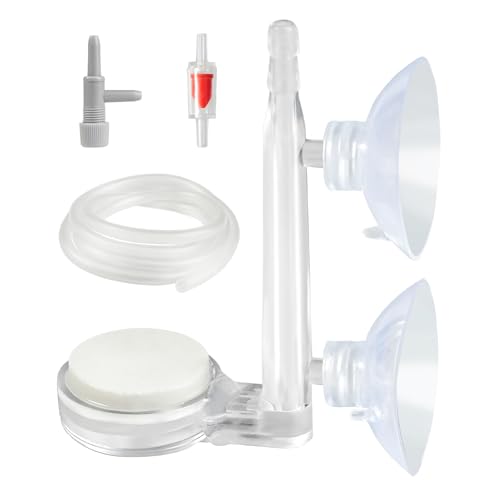
- Replacement air stone cleaning kit for aquariums in case stones are worn or damaged

Before You Start
Plan a cleaning routine that fits your tank size and bioload. Disconnect power to filters and air pumps before handling air stones. Use dechlorinated water to prevent harming beneficial bacteria. If your tank has sensitive fish or shrimp, perform cleaning during a routine water change window to minimize stress. Never use harsh chemicals directly in the tank and avoid bleach or ammonia-based cleaners unless explicitly labeled safe for aquariums. Allow stones to dry completely or air-dry before reinstallation to prevent bacterial blooms.
Step-By-Step: How To Clean Air Stones For Aquariums
- Remove the air stone assembly from the air line and gently detach from any tubing or adapters.
- Rinse the stone under lukewarm, dechlorinated water to remove loose debris.
- Use the aquarium air stone cleaning brush nylon bristle to scrub the surface with light, even strokes; avoid aggressive scrubbing which can crack the stone.
- For spots with stubborn buildup, switch to the air stone cleaning sponge brush for aquariums to reach crevices without scratching.
- If mineral scale remains, submerge the stone in a descaling solution for aquarium air stones according to the product’s instructions. Do not exceed recommended contact times.
- Rinse thoroughly with fresh, dechlorinated water to remove all cleaning residues.
- For a deeper clean, place the stone in an ultrasonic cleaner for aquarium air stones with plain water or the recommended cleaning liquid, following the device’s safety guidelines.
- Inspect the stone for cracks or dull airflow. Replace it with a replacement air stone cleaning kit for aquariums if performance remains poor after cleaning.
- Reattach to tubing and reconnect power. Start the pump briefly to verify even air bubbles and proper placement.
- Monitor the aquarium over the next 24 hours for improved aeration and stable surface agitation.
- Establish a routine: light maintenance weekly and a deeper descaling every 1–3 months depending on water hardness and mineral content.
Troubleshooting
| Symptom | Likely Cause | Fix | Prevention |
|---|---|---|---|
| Air stone produces weak bubbles | Mineral buildup or clogging | Clean with brushes and descaler; replace if needed | Use softened water when possible; regular cleaning |
| Uneven bubble pattern | Cracked or damaged stone | Inspect and replace with a new stone | Handle stones gently; avoid dropping during maintenance |
| No air flow after cleaning | Incorrect reconnection or tubing kink | Check tubing, adapters, and airline fittings; reseat connections | Secure fittings and avoid sharp bends |
| Stale odor or discoloration after descaling | Residue left behind | Rinse thoroughly with multiple water changes | Follow right dilution and rinse steps |
Common Mistakes
- Using harsh cleaners or household chemicals directly in the tank
- Scrubbing too aggressively and damaging the stone’s surface
- Neglecting to rinse completely after descaling
- Reusing worn or cracked stones that fail to produce even bubbles
Tips For Best Results
- Keep a dedicated cleaning kit for aquarium air stones to avoid cross-contamination with other gear.
- Document your maintenance cadence and track when mineral buildup becomes heavy in your water chemistry logs.
- When replacing stones, choose models with consistent pore structure for reliable bubble diffusion.
- Combine brushing with occasional ultrasonic cleaning for optimal results, especially in hard water regions.
- Rinse all components thoroughly before reassembly to prevent introducing cleaners into the tank.
Call A Professional
Seek professional help if you notice persistent cracking, persistent air leaks around the tubing, or if a stone cannot produce bubbles despite thorough cleaning. If you see sudden drops in oxygenation or abnormal tank behavior after maintenance, contact an aquarium specialist to assess filtration and aeration systems.
FAQ
How often should I clean air stones?
Clean weekly light debris, and perform a deeper descaling every 1–3 months, depending on water hardness and mineral content.
Can I use vinegar to clean air stones?
Vinegar can be effective for descaling, but rinse thoroughly and ensure all residues are removed before returning stones to the tank.
What if air stones crack after cleaning?
Cracked stones should be replaced immediately to prevent micro-particles from entering the tank.
Is an ultrasonic cleaner safe for aquarium air stones?
Yes, when used with water or manufacturer-approved cleaners and on a gentle cycle; always follow device guidelines.
Can I clean air stones while the tank is running?
Best practice is to unplug and remove air stones before cleaning to protect livestock and avoid sudden bubbles.
Should I replace air stones regularly?
Yes, periodically inspect for wear and consider replacement to maintain optimal diffusion and airflow.
Buying Guide
Choosing the right air stones and cleaning accessories involves several factors. Size matters: larger tanks benefit from bigger stones for even diffusion, while compact setups use smaller options. Noise and energy efficiency aren’t typically impacted by the stone itself, but the connected pump and tubing can influence overall performance and should be considered. Look for stones made of durable ceramic or non-toxic materials with consistent pore structure. For maintenance, a dedicated cleaning kit paired with a descaling solution helps extend life and maintain airflow. Placement within the tank can affect bubble dispersion—position stones lower in the water column for better surface agitation, and avoid obstructing filter inlets. When shopping, compare replacement options that match tubing size and airflow rates to ensure a seamless upgrade.