Carrots stay freshest when they are clean, dry, and properly stored. This guide walks American home cooks through practical steps to wash, trim, cut, and safeguard carrots from spoilage, while recommending common tools designed for efficient prep and storage.
Whether you’re preparing a week’s worth of meals or keeping a small batch ready for a snack, following a simple routine helps preserve flavor, texture, and vitamin content. The methods below emphasize safe handling, sensible shelving, and practical storage solutions that fit typical American kitchens.
Quick Answer
Clean carrots under cool water, remove greens if present, dry completely, and store in airtight containers or silicone veggie savers. Use a vegetable peeler for peeling, a brush for gentle scrubbing, and a storage method that minimizes moisture. For long-term freshness, refrigerate promptly and keep carrots away from ethylene-producing fruits.
What You’ll Need
- Stainless steel vegetable peeler for carrots
- Long-handled vegetable washing brush for carrots
- Mandoline slicer with julienne blade for carrots
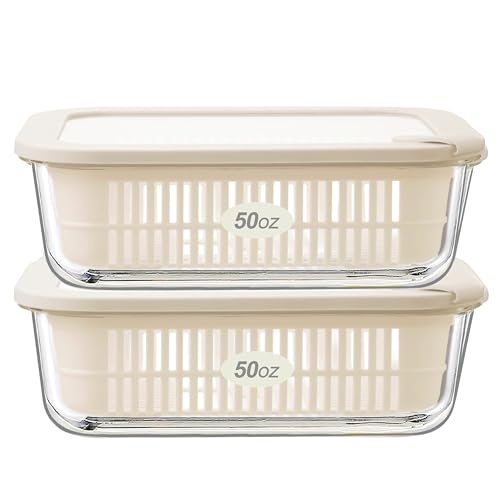
- Glass airtight produce storage containers for carrots
- Silicone collapsible veggie saver for carrot storage


Before You Start
Prepare a clean workspace and rinse all tools before use. Prior to washing, trim any greens and visible bruises. Keep carrots refrigerated until ready to use to maintain crispness. If you notice soft spots or mold, discard affected carrots promptly to prevent cross-contamination. Plan for a safe storage area that stays above freezing and below room temperature, depending on your chosen method.
Step-By-Step: How To Clean And Store Carrots
- Rinse carrots under cool running water to remove surface dirt.
- Trim the ends and any greens, if present; reserve greens for use or composting.
- Use the long-handled brush to scrub stubborn dirt from irregular surfaces.
- Peel lightly with a stainless steel vegetable peeler if the skin is thick or blemished.
- Pat dry with a clean towel to minimize surface moisture.
- Choose a storage method: put whole carrots in glass airtight containers for short-term use.
- If sliced or julienned, coat lightly with a touch of water and store in an airtight container to maintain moisture balance.
- Place containers in the refrigerator, ideally in the crisper drawer, and use within 1–2 weeks.
Troubleshooting
| Symptom | Likely Cause | Fix | Prevention |
|---|---|---|---|
| Carrots go mushy quickly | Moisture buildup or overexposure to air | Dry thoroughly before sealing; use airtight containers | Pat dry after washing; store in sealed glass or silicone containers |
| Carrots discolor after cutting | Exposure to air | Lightly mist with water and reseal in airtight container | Cut only what you’ll use within a day or two |
| Strong odor emitted from storage | Overcrowded container or old produce | Rotate stock; don’t overcrowd containers | Use fresh carrots and separate from ethylene-producing fruits |
| Carrots taste limp | Dry storage environment | Rehydrate with a splash of water and reseal | Keep in a dedicated moisture-controlled container |
Common Mistakes
- Leaving greens attached—can draw moisture from the roots and hasten wilting.
- Washing too early—excess moisture speeds spoilage if not dried thoroughly.
- Storing in the wrong drawer—exposure to cold or ethylene can shorten life.
- Using non-seal containers for sliced carrots—air exposure accelerates drying out.
Tips For Best Results
- Store carrots with a paper towel inside glass containers to absorb excess moisture.
- Keep carrots away from fruits that emit high levels of ethylene, such as apples or bananas.
- Label storage dates to monitor freshness and rotate stock regularly.
- Use a dedicated storage solution like a silicone collapsible veggie saver for compact fridge storage.
- Prep extras in batches using a mandoline slicer with a julienne blade for uniform cuts, enabling quick meal assembly.
Call A Professional
Carrot storage issues are typically culinary rather than medical. If you notice unusual mold growth on multiple vegetables, persistent off odors despite proper storage, or signs of spoilage that extend beyond a couple of days, consult a food safety resource or professional for guidance on storage practices and safe disposal.
FAQ
How should I store washed carrots?
Refrigerate in airtight glass containers or silicone savers, ensuring they are completely dry before sealing.
Can I freeze carrots after washing?
Yes, but blanch first and store in freezer-safe containers or bags.
Is peeling necessary for fresh carrots?
No, but peeling is helpful for very dirty or thick-skinned carrots; thin peeling preserves nutrients.
How long do stored carrots stay fresh?
Typically 1–2 weeks when refrigerated properly; sliced carrots should be used sooner for best texture.
Buying Guide
When choosing tools and storage for carrots, consider size, noise level, energy efficiency, controls, and placement in the kitchen. For cleaning, a reliable stainless steel peeler and a long-handled washing brush help remove dirt without damaging the root. A mandoline with a julienne blade is ideal for prep when you need uniform cuts for salads or cooking. Storage choices should minimize moisture and air exposure; opt for glass airtight containers or silicone collapsible savers that fit your fridge’s dimensions. Placement in the crisper drawer offers consistent humidity, while compact options suit small kitchens. Compare features like blade quality, frequency of use, and ease of cleaning to select the best kit for your carrot routine.