Keeping bird toys clean is essential for pet health and wellbeing. Regular cleaning reduces bacteria, mold, and buildup from droppings, food, and drool. This guide provides practical steps using commonly available cleaners and brushes tailored for birds, with safety considerations and maintenance tips.
Quick Answer
Routinely inspect toys, wash with a pet-safe cleaner, scrub with soft brushes, rinse thoroughly, air-dry completely, and reintroduce toys after full drying. For porous toys, sanitize with a bird-safe spray and ensure no residue remains before giving back to the bird.
What You’ll Need
- Pet-safe cleaner spray for bird toys
- Bird toy sanitizing spray 8 oz
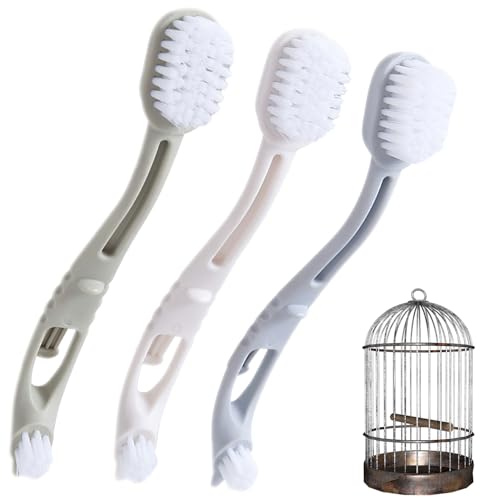
- Parrot toy cleaning brush set
- Soft bristle scrub brush for bird toys
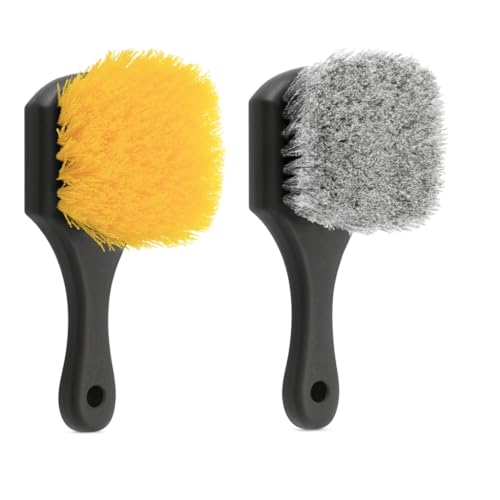
- Plastic scrub brush for bird toys

Before You Start
Prepare a dedicated cleaning area away from the bird’s primary living space. Always rinse thoroughly to remove any cleaner residue, which can irritate a bird’s delicate lungs. Check toy materials for safety; avoid toys with sharp edges or small detachable parts that can be swallowed. Time estimates vary: plan about 20–40 minutes for a full cleaning session including drying time. If your bird shows signs of stress during cleaning, give it a break and resume later.
Step-By-Step: How To Clean Bird Toys Effectively
- Remove toys from the cage and inspect them for damage or wear that could harm your bird.
- Rinse off loose debris with warm water to reduce surface grime before applying cleaners.
- Spray or wipe with a pet-safe cleaner spray for bird toys according to label directions, focusing on perches, beads, and chewable surfaces.
- Let the cleaner sit for the recommended contact time to break down organic buildup.
- Use a soft bristle scrub brush for bird toys or a plastic scrub brush for bird toys to scrub crevices, holes, and fabric textures gently but thoroughly.
- Rinse toys under running water until no cleaner residue remains, paying attention to crevices that can trap cleaner.
- If needed, apply a bird toy sanitizing spray 8 oz for a quick sanitizing step, then air-dry completely.
- Dry all components on a clean towel or rack. Ensure no moisture remains inside fabric or rope areas to prevent mold growth.
- Reassemble any disassembled toys and return them to the cage once fully dry.
- periodically rotate toys to reduce contamination buildup and extend toy life.
Troubleshooting
| Symptom | Likely Cause | Fix | Prevention |
|---|---|---|---|
| After cleaning, odors linger | Residual cleaner or organic buildup | Rinse more thoroughly; repeat sanitizing step | Rinse immediately after cleaning; avoid overuse of cleaners |
| Toys stay damp | Insufficient drying time | Increase air-drying duration; squeeze out excess moisture | Choose porous vs nonporous drying methods accordingly |
| Colors fading or material damage | Harsh cleaners or abrasive scrubbing | Switch to milder, pet-safe products; use softer brushes | Test on a small area first |
| Bleeding dye from toys | Dye migration from colored plastics or fabrics | Discontinue use of affected toys | Inspect finished toys for colorfastness before washing |
Common Mistakes
- Using household cleaners not labeled as bird-safe, which can be toxic if ingested or inhaled.
- Leaving residue on toys, especially in crevices and rope knots.
- Ignoring drying times, which invites mold and mildew growth.
- Cleaning only one type of toy and neglecting fabric or rope components.
Tips For Best Results
- Maintain a routine schedule: clean weekly, with deeper sanitizing monthly, depending on usage and cage cleanliness.
- Use separate brushes for dirty crevices to prevent cross-contamination with other toys.
- Spot-clean daily by wiping down high-use surfaces between full cleanings.
- Store cleaners in a safe, accessible location away from birds and children.
- Label each toy by material type to tailor cleaning methods (wood, rope, plastic, fabric).
Call A Professional
Consult a veterinarian or avian specialist if the bird shows signs of illness such as coughing, lethargy, or reduced appetite following a toy cleaning. Stop using any toy that causes irritation or stress to the bird, and replace it with safer alternatives. If you notice recurring odors, mold growth, or damaged toys despite cleaning, professional guidance is advised.
FAQ
What cleaners are safe for bird toys?
Use products labeled as pet-safe or bird-safe and follow manufacturer instructions closely.
How often should bird toys be cleaned?
Most cages benefit from weekly surface cleaning, with deeper sanitizing every few weeks depending on usage.
Can I use hot water to clean toys?
Hot water can help remove oils, but avoid exposing birds to steam or high heat during drying.
Are fabric toys safe after cleaning?
Fabric toys should be fully dried and inspected for fiber shedding before reuse.
Buying Guide
Key buying factors help ensure you pick the right products for cleaning bird toys safely and effectively.
- <bSize and compatibility: Ensure tools and cleaners fit the toy materials (plastic, wood, rope, fabric).
- <bNoise level and ease of use: Ergonomic brushes and sprayers reduce effort and stress for you and your bird.
- <bEnergy efficiency: Simple manual cleaning tools consume no electricity; choose efficient, damp-free storage.
- <bControls and safety: Look for clearly labeled bird-safe ingredients and rinse directions.
- <bPlacement and storage: Store cleaners away from birds; designate a cleaning station with a drying rack.
When comparing options, consider how often you clean, the types of toys your bird enjoys, and any material sensitivities. A routine with a dedicated set of brushes and sprays tailored for birds will streamline maintenance and keep toys safe and engaging for your pet.