Keeping breast pump tubing clean is essential for baby health and comfortable pumping sessions. This guide outlines practical, step-by-step methods to sanitize and maintain tubing, using common tools found in many cleaning kits and UV sterilizers.
Quick Answer
Quick Method: Rinse tubing with clean water, use a dedicated breast pump tubing cleaning brush to scrub, then air-dry completely. For deeper cleaning, a breast pump cleaning kit with brush or an electric breast pump cleaner UV sterilizer can provide faster, thorough sanitizing.
What You’ll Need
- breast pump tubing cleaning brush
- breast pump tubing brush set
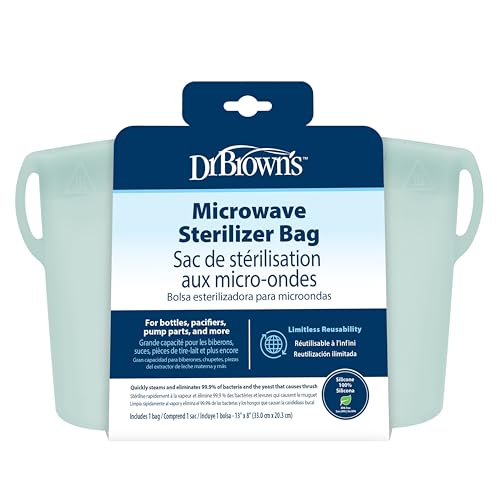
- breast pump sterilizer bag
- breast pump cleaning kit with brush
- electric breast pump cleaner UV sterilizer

Before You Start
Prepare a clean work area and gather all cleaning tools before removing tubing. Always disconnect tubing from the breast shield and the motor base before cleaning. Never submerge the motor unit in water. If tubing shows visible cracks, wear, or fogging, replace it. Rinse with clean running water immediately after pumping to reduce milk residue.
Time estimate: 10–20 minutes per cleaning session, plus air-drying time. Consider high-traffic pumping days where quick sterilization may be helpful.
Step-By-Step: How To Clean Breast Pump Tubing
- Detach tubing from both the breast shields and the pump motor per the manufacturer’s instructions.
- Rinse the inside of each tube with lukewarm running water to remove milk residue.
- Insert a breast pump tubing cleaning brush at the opening and gently scrub along the length to clear any buildup.
- For a deeper clean, use a breast pump tubing brush set to reach stubborn deposits; rotate the brush as you pull it through.
- Rinse the tubes again to remove loosened residue. If available, run water through one end to flush through the other.
- Air-dry the tubing completely by hanging it in a well-ventilated area or placing it on a clean rack. Do not force-dry with heat.
- If you prefer, place the tubing in a breast pump sterilizer bag and run through a microwave or steam cycle if the bag’s instructions allow; otherwise use a dedicated sterilizer method.
- Optionally, run a quick external rinse of the milk collection parts and tubing connectors to keep everything aligned with the pump.
- Reassemble only after all parts are completely dry. Test the pump to verify there are no air leaks or unusual noises.
- Establish a routine: daily cleaning for frequent use, and a deeper weekly clean if milk residue is heavy.
- Store tubing in a clean, covered area to prevent dust and debris from recontaminating the sterilized surfaces.
- If using an electric breast pump cleaner UV sterilizer, follow the device’s manual for cycle times and placement of tubes for uniform exposure.
Troubleshooting
| Symptom | Likely Cause | Fix | Prevention |
|---|---|---|---|
| Musty odor after cleaning | Residual moisture or contamination | Re-clean with brush set and ensure complete dry time | Dry thoroughly; keep clean storage area |
| Milk residue visible after cleaning | Stubborn deposits | Repeat brushing with longer passes; consider sterilizer bag method | Clean promptly after pumping to prevent buildup |
| Bulky tubes don’t fit back onto connectors | Warped or damaged tubing | Replace with new tubing | Inspect for wear before each use |
| Odor after sterilization | Overexposure or incorrect cycle | Follow manufacturer cycle times exactly | Use proper sterilization method for your model |
Common Mistakes
- Assuming rinsing alone suffices; milk residue can linger inside tubes.
- Submerging the motor unit in water or cleaning solutions not designed for electronics.
- Using abrasive brushes that scratch or damage the tubing surface.
- Skipping thorough drying, which invites mold or odor development.
Tips For Best Results
- Establish a cleaning routine: rinse immediately after pumping, then a full clean at the end of the day.
- Label and rotate multiple tubing sets to prevent cross-contamination and ensure ready-to-use parts.
- Check tubing for signs of wear—cracks, stiffness, or cloudiness—before each use and replace as needed.
- Use tools designed for breast pump cleaning to minimize damage and maximize sanitization efficiency.
- For busy households, a UV sterilizer can speed up sanitization when used according to manufacturer guidance.
Call A Professional
Most tubings and cleaning routines can be handled at home, but seek professional advice if you notice persistent odors, unusual discharge, or if you have a compromised immune system in the family. If the pump or tubing appears damaged, do not attempt repairs; contact the manufacturer or a certified service provider for replacement parts.
FAQ
Can I clean breast pump tubing with soap and water?
Yes, a mild soap and clean water rinse are suitable, but ensure all soap is thoroughly rinsed out and the tubing is completely dry before reuse.
How often should I replace tubing?
Replace when there are cracks, stiffness, or persistent odors that do not improve with cleaning.
Is a UV sterilizer bag safe for tubing?
Yes, if the bag is recommended for tubing and used according to the device instructions, but avoid placing electronics directly into hot water or cycles not designed for plastics.
What if milk backs up into the tubing during pumping?
Disassemble and rinse immediately, scrub with the tubing brush, and dry completely before reconnecting.
Can I use the same sterilization method for all tubing?
Most methods work, but always follow the tubing and pump manufacturer guidelines to prevent damage.
Are there pediatric safety considerations for tubing cleaning?
Ensure all cleaning products are milk-safe and non-toxic; rinse well and air-dry to avoid residue contact with milk.
Buying Guide
When selecting gear for cleaning breast pump tubing, consider several factors to fit daily routines and lifestyle. Think about size and compatibility with your pump model, noise level of any electric cleaner, energy efficiency, and user-friendly controls. Placement matters too: a drying rack near the sink is convenient, while compact sterilization options suit small spaces. Compare a basic brush set against a full cleaning kit with multiple brushes and a UV sterilizer to determine the best balance of cost and convenience. For families juggling multiple pumping sessions, a tube-specific cleaning kit with durable brushes supports quick, thorough cleaning without cross-contamination. If you prefer high-tech solutions, an electric breast pump cleaner UV sterilizer offers fast sanitizing cycles, but ensure compatibility with your tubing materials to prevent damage.