Burnt-on residue from stainless steel cookware can be stubborn, especially with high-end pans like All-Clad. This guide provides practical, field-tested methods using common kitchen tools to restore the pan’s shine without damaging the surface.
Following a safe, step-by-step routine helps maintain heat distribution and prolongs the life of the pan’s finish. The methods herein emphasize available household tools and specifically include techniques for burnt-on deposits on stainless steel cookware.
Quick Answer
Soak the pan with warm, soapy water and gently scrub with a non-scratch nylon pad, then use a silicone pan scraper for stubborn spots. For heavy burn marks, apply a paste of baking soda and water, then scrub with a steel wool soap pad only on non-satin areas if advised by the manufacturer. Finish with a microfiber cloth to wipe clean and dry thoroughly.
What You’ll Need
- Stainless steel cookware cleaning brush with handle
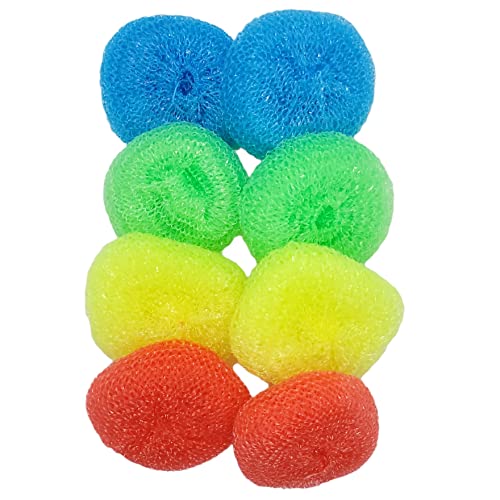
- Non-scratch nylon scrub pad for stainless steel pans
- Silicone pan scraper with edge for burnt-on residue
- Microfiber cleaning cloth set for stainless steel cookware
- Steel wool soap pad for burnt-on cookware cleanup


Before You Start
Prepare a clean workspace and protect the countertop with a towel. Use warm water and a mild dish soap solution to soften burnt residue before scrubbing. Never place a hot pan in cold water as it may warp the metal. If the pan has a brushed or satin finish, test a small, inconspicuous area first to prevent scratching. Expect 20–40 minutes for a thorough cleaning, depending on how stubborn the residue is.
Safety notes: wear gloves to prevent skin irritation from soap and metal brushes, and ensure good ventilation when using any chemical cleaners. Always dry the pan completely to prevent water spots or streaks.
Step-By-Step: How To Clean Burnt All-Clad Pan
- Rinse the pan with warm water to remove loose debris and reduce surface friction during scrubbing.
- Fill the pan with warm water and a few drops of mild dish soap; let it soak for 15–20 minutes to loosen burnt-on deposits.
- Scrub the interior with a non-scratch nylon scrub pad for stainless steel pans using circular motions, focusing on the burnt areas.
- If residue persists, use the silicone pan scraper with edge for burnt-on residue to lift stubborn spots without scratching.
- Apply a paste of baking soda and water to especially tough rings or stains; let sit 5–10 minutes before re-scrubbing with the nylon pad.
- For extreme cases, gently work a steel wool soap pad for burnt-on cookware cleanup into the deposits, testing a hidden area first to ensure compatibility with the pan’s finish.
- Rinse thoroughly with warm water and dry with a microfiber cleaning cloth set for stainless steel cookware to prevent streaks and water spots.
- Inspect the surface. If any discoloration remains, repeat the above steps on the affected area until clean.
- Season or heat-dry the pan as recommended by All-Clad to maintain a smooth, non-stick feel on the interior (if applicable).
- Store in a dry area, and avoid stacking rough cookware directly on the pan to prevent future scratches.
- Document any persistent stains that do not respond to standard cleaning for future reference.
- Always re-check for residues after drying; a quick wipe with the microfiber cloth ensures a pristine finish.
Troubleshooting
| Symptom | Likely Cause | Fix | Prevention |
|---|---|---|---|
| Residue remains after scrubbing | Residue is baked-on and tight to the metal | Use baking soda paste, soak longer, and retry with a scraper | Pre-soak after cooking to prevent hardening |
| Scratches appear after cleaning | Aggressive scrubbing or steel wool on a sensitive finish | Switch to nylon pads and avoid steel wool unless manufacturer-approved | Use gentler tools and follow care guidelines |
| Discoloration or rainbow tint | Overheating or mineral buildup | Rinse with a vinegar-water solution, then re-clean | Avoid overheating and dry promptly |
| Stubborn burn marks persist | Deep-set scorching | Repeat soaking and baking soda paste method, consider professional care for severe damage | Monitor heat levels during cooking |
Common Mistakes
- Using steel wool on satin or brushed finishes unless specified by the manufacturer
- Overly aggressive scrubbing that scratches or dulls the surface
- Skipping the warm soak step, which makes residue harder to remove
- Using harsh chemical cleaners that may strip protective coatings
Tips For Best Results
- Always start with warm, soapy water to soften burnt residues.
- Alternate between a scraper and a non-scratch pad to minimize surface wear.
- Keep a microfiber cloth handy for quick touch-ups and to avoid water spots.
- Test any new method on a small area before full-scale cleaning.
- After cleaning, heat the pan briefly on low to ensure it is completely dry and ready for storage.
Call A Professional
Seek professional care if the pan shows deep pitting, severe discoloration, or damage near the handle rivets. If the All-Clad pan has structural issues, warping, or unusual odors after cleaning, stop and consult a professional repair service or the manufacturer’s support line.
FAQ
Can I use dish soap on a burnt All-Clad pan?
Yes. Start with warm water and mild dish soap; more aggressive methods only if residue remains.
Is it safe to use steel wool on All-Clad stainless steel pans?
Only if the manufacturer permits; otherwise, use nylon scrub pads and a silicone scraper to avoid scratches.
How long should I soak a burnt pan before scrubbing?
Typically 15–20 minutes, longer for heavy buildup.
What should I do if the pan still looks dull after cleaning?
Repeat the cleaning cycle, and consider a gentle polish or dedicated stainless steel cleaner following manufacturer guidelines.
Buying Guide
Choosing the right cookware and cleaning tools supports both performance and maintenance. When evaluating options for a kitchen with All-Clad or similar stainless steel pans, consider size, weight, and compatibility with heat sources. Look at the cleaning tools list to ensure you have non-scratch options that won’t compromise the pan’s finish. Consider how often burnt-on residue occurs and whether you prefer a light daily clean or occasional deep cleans. For households with multiple pans, a comprehensive microfiber cloth set can help maintain a polished look across the collection. Think about ease of storage and whether scrub pads, scrapers, and brushes come in a compact kit for quick access. A thoughtful setup makes regular care straightforward and can extend the life of high-end stainless steel cookware.