Burnt glass on stove tops can mar the look of a kitchen and create difficult cleaning tasks. With the right approach, stubborn residue can be removed without scratching surfaces. This guide outlines practical methods and safe tools to restore clarity to glass surfaces around stoves, ovens, and doors.
The guidance below focuses on common household cleaners and tools, emphasizing safe techniques for American kitchens. Readers will find a clear step-by-step method, troubleshooting tips, and a buying guide to help choose the right products for future maintenance.
Quick Answer
Use a combination of a glass-safe cleaner, a razor blade scraper designed for glass, a microfiber cloth, and a baking soda paste. Gently scrub burnt areas, wipe clean, and repeat as needed. Avoid abrasive pads on glass surfaces and always test a small hidden area first.
What You’ll Need
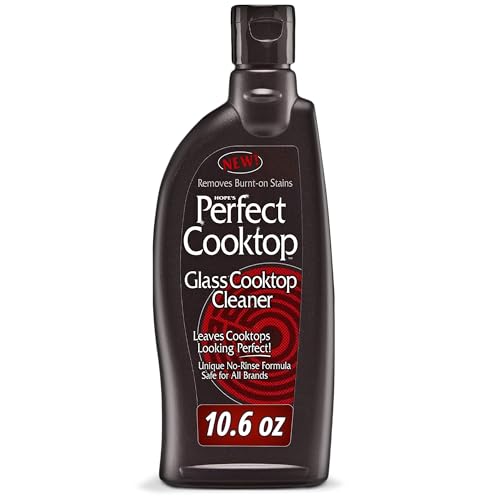
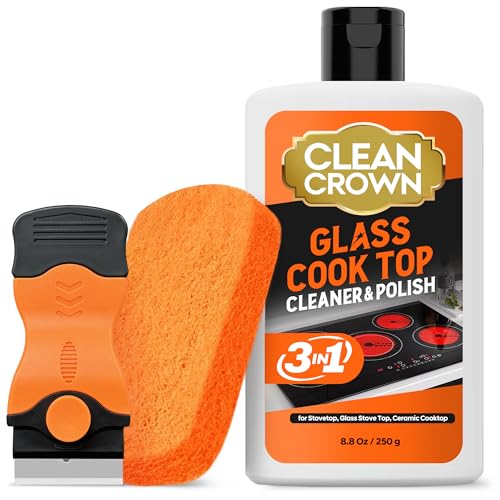
- Stove top glass cleaner burn residue
- Oven door glass cleaner burnt-on stains
- Razor blade scraper for glass cleaning
- Microfiber cloth glass stove top cleaner
- Baking soda paste burnt glass cleaning
- Gloves (optional for protection)

Before You Start
Prepare the area by removing nearby items from the stove and ensuring good ventilation. If you have a smooth ceramic glass surface, select products labeled as safe for glass. Time estimates vary: plan 15–30 minutes for light residue and up to an hour for heavy buildup. Never use metal scouring pads or abrasive cleaners that can scratch glass. Always test cleaners on a small, inconspicuous spot first to avoid damage.
Step-By-Step: How To Clean Burnt Glass
- Cool the surface completely before starting to prevent thermal shock and burns to your skin or eyes.
- Apply a glass-safe stove top cleaner to the burnt area and let it sit for 2–5 minutes to loosen residue.
- For stubborn spots, sprinkle baking soda and add a few drops of water to form a paste; spread over the burnt area.
- Use a razor blade scraper for glass cleaning at a 45-degree angle to lift burnt-on particles gently. Do not press hard to avoid scratching.
- Wipe away loosened residue with a microfiber cloth glass stove top cleaner, turning the cloth to a clean side as needed.
- If stains remain, reapply the oven door glass cleaner burnt-on stains and repeat the scraping and wiping steps.
- Rinse the surface with a damp cloth to remove cleaner traces, then dry with a fresh microfiber cloth for a streak-free finish.
- For persistent halos, repeat the steps or alternate between the baking soda paste method and commercial glass cleaners until fully clear.
Troubleshooting
| Symptom | Likely Cause | Fix | Prevention |
|---|---|---|---|
| Stubborn, cloudy spots | Residual burnt residue | Reapply cleaner and scrub with a scraper gently | Clean after each heavy cooking session |
| Scratches appear | Using a dull scraper or excessive pressure | Switch to a fresh blade, reduce pressure | Always keep blade angle low and surface cool |
| Streaks after cleaning | Residue left from cleaner | Rinse with a damp cloth and dry with microfiber | Use minimal cleaner and wipe until dry</ |
| Residue returns quickly | New spills baked onto surface | Wipe immediately after cooling to prevent buildup | Maintain regular cleaning schedule |
Common Mistakes
- Using metal scrapers or steel wool on glass surfaces
- Applying excessive force with a razor blade
- Skipping a test patch before full application
- Allowing cleaners to sit too long on sensitive edges
These missteps can scratch or dull glass and make future cleaning harder. Proceed with gentle methods and test patches first.
Tips For Best Results
- Work in small sections to avoid drying cleaners on the surface.
- Keep blades sharp and replace dull blades for safer scraping.
- Use a damp, warm cloth to pre-clean loose debris before applying cleaners.
- If using baking soda paste, avoid extended contact on surrounding enamel to prevent residue transfer.
- Finish with a final wipe and dry for a spotless, streak-free look.
Call A Professional
Consider professional help if there are deep cracks, significant etching, or if you suspect damage to the glass. Stop cleaning immediately and consult a technician if you notice any cracks widening, heat damage, or warping around the glass area.
FAQ
Can I use regular kitchen cleaners on burnt glass?
Yes, but choose ones labeled for glass surfaces and follow the product directions carefully.
Is a razor blade safe for glass cleaning?
When used correctly at a shallow angle, a razor blade can safely remove burnt residue without scratching glass.
How often should I deep-clean burnt glass on a stove?
Deep cleaning every few months or after heavy spills helps prevent buildup.
What should I do if the glass starts to fog or crack?
Stop using cleaning tools immediately and consult a professional for assessment.
Buying Guide
Choosing the right products for burnt glass cleaning depends on the glass type, the level of buildup, and user comfort with tools. Consider the following key factors:
- <bSize and fit: Ensure cleaners and scrapers are safe for your stove top or oven door glass size and shape. Narrow blades work well on tight corners.
- <bNoise level: Hand tools are quiet, while some scrapers can generate noise; choose based on your preference for a quiet cleaning session.
- <bEnergy efficiency: Not directly applicable, but efficient cleaners reduce cleaning time, saving effort and energy.
- <bControls: Simple spray bottles and ready-to-use cleaners minimize steps. Look for products with clear usage instructions.
- <bPlacement: Store cleaning tools near the stove for quick access after spills and during maintenance.
When comparing products, think about the type of residue you usually encounter, whether you prefer paste or spray formulas, and how comfortable you are using a razor blade scraper. For many users, a combination approach—glass-safe cleaner, baking soda paste for tough spots, and a microfiber cloth—offers reliable results with minimal risk of damage.