Cat urine on carpet can be stubborn, leaving behind odors that attract a cat back to the same spot. This guide walks through effective methods using enzyme-based cleaners and common tools to remove both stain and odor, restoring freshness to living spaces.
With the right approach, you can eliminate the odor at its source and prevent repeat marking. The steps below are designed for typical household carpets and pet homes in the United States, using products commonly available in American markets.
Quick Answer
Best first step: blot thoroughly to remove as much liquid as possible, then apply an enzymatic cleaner liberally, let it sit according to label directions, and repeat if needed. For tough spots, a carpet cleaning machine for pet urine can help lift residue. Always test a small hidden area first.
What You’ll Need
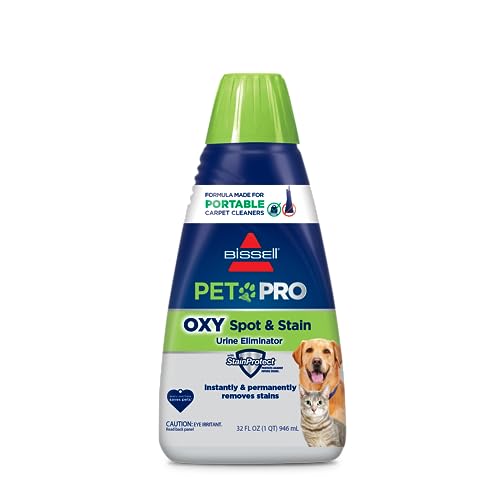
- Enzymatic cat urine remover carpet cleaner or other pet urine enzymatic cleaner for carpet
- Carpet cleaning machine for pet urine (optional but helpful for large areas)
- Stain and odor remover cat urine carpet enzymatic spray for tough spots
- Portable steam cleaner pet urine carpet (optional for deep extraction)
- Clean cloths or paper towels
- Gloves and optional mask for sensitive pets
- White vinegar and water mix (if enzyme cleaner label allows)
- Water, bucket, and a fan for drying


Before You Start
Before tackling a urine stain, identify the soiled area and plan your cleaning path. Always follow label directions on cleaners and perform a patch test on an inconspicuous carpet spot to avoid discoloration. If the stain is recent, blot up as much liquid as possible with a cloth, pressing gently to prevent spreading.
Consider these time estimates: immediate blotting takes 5–10 minutes, enzyme treatment 10–20 minutes, and a drying window of several hours up to a day depending on ventilation. Ensure pets and children are kept away from the work zone during cleaning and drying.
Step-By-Step: How To Clean Cat Pee From Carpet
- Contain and blot — Use paper towels or a clean cloth to blot the area, pressing firmly to lift as much liquid as possible without rubbing the stain deeper into fibers.
- Rinse lightly — Dampen a cloth with clean water and blot to remove residual urine. Avoid soaking the carpet, which can spread odor.
- Apply enzymatic cleaner — Generously apply the enzymatic cat urine remover carpet cleaner to the stain until the fibers are saturated. Enzymes work by breaking down organic waste that causes odor.
- Let it sit — Allow the product to dwell as directed (commonly 10–20 minutes). Do not rush this step, as proper dwell time improves odor neutralization.
- Blot again and extract — After the dwell time, blot to remove excess liquid. Use a clean cloth or towel and apply light pressure.
- Repeat if necessary — For stubborn odors, reapply the enzymatic cleaner and dwell again. Multiple passes are often required for old stains.
- Rinse with water and extract — If using a carpet cleaning machine for pet urine, rinse the area with water and extract to remove cleaner residue.
- Dry thoroughly — Use fans, open windows, or a dehumidifier to speed drying. Do not let the area stay damp for extended periods, which can promote mold.
- Optional odor check — After drying, re-check for any residual odor. If scent persists, apply a second enzymatic treatment or a dedicated odor remover.
- Deep clean with machine (optional) — For large or multiple spots, run a carpet cleaning machine for pet urine over the area following the machine’s instructions.
- Prevent recurrence — Consider placing a litter- or scent-scented deterrent around the area to discourage re-marking and train pets to use alternative zones.
Troubleshooting
| Symptom | Likely Cause | Fix | Prevention |
|---|---|---|---|
| Residual odor after cleaning | Insufficient enzyme dwell time or residue | Reapply enzymatic cleaner and extend dwell; use carpet cleaning machine if available | Treat promptly and ensure complete drying |
| Stain reappears after drying | Under-fiber contamination or missed spots | Recheck with UV light (optional) and treat entire area again | Deep clean with a machine or professional service |
| Discoloration or fading | Undiluted cleaner or harsh chemical interaction | Test next time; use milder enzyme products | Spot test before full application |
Common Mistakes
- Using ammonia-based cleaners that mimic urine odor and invite re-marking
- Rubbing or scrubbing, which spreads urine and embeds odors deeper
- Skipping the drying step, leaving the carpet damp
- Ignoring pet access: returning the cat too soon can trigger repeat marking
Tips For Best Results
- Act quickly; fresh urine responds better to enzymatic cleaners
- Test any cleaner on a hidden area first to avoid color loss
- Use enzyme-based products designed for pet urine on carpets
- Ventilate the room during and after cleaning to speed drying
- Consider a portable steam cleaner for stubborn spots after enzymatic treatment
Call A Professional
Seek professional help if: stains cover a large area (larger than a few square feet), recurring odors persist after multiple treatments, staining is accompanied by mold growth, or the carpet is very delicate or prized. Signs to stop DIY cleaning and contact a pro include persistent strong smells after 48 hours of drying, or pets showing renewed interest in the treated area despite measures.
FAQ
What is the best cleaner for cat urine on carpet?
Enzymatic cat urine remover carpet cleaners are specifically formulated to break down organic compounds, neutralizing odors more effectively than basic cleaners.
Can I clean cat pee with a steam cleaner?
Yes, a portable steam cleaner can help flush residual residue after enzymatic treatment, but avoid relying on steam alone; enzymes must break down the compounds first.
How long does it take to dry after cleaning?
Drying times vary with room temperature and ventilation, typically several hours to a full day. Ensure good airflow for faster drying.
Is vinegar safe for cleaning cat urine from carpet?
White vinegar can help with mild odors, but it does not replace enzymatic cleaners. Always test compatibility with carpet fibers and follow product labels.
Should I replace the carpet if the odor persists?
Persistent odors after multiple treatments may indicate deep contamination or padding odor. A professional assessment can determine replacement needs or more intensive remediation.
How can I prevent future marking?
Provide a clean litter area, use scent deterrents around the treated spot, and ensure the cat has regular veterinary care to rule out medical issues contributing to marking.
Buying Guide
When choosing products to tackle cat urine on carpet, consider size of the area, odor intensity, and carpet type. Key buying factors include:
- <bSize and coverage — Choose enzymatic cleaners that cover the stained area with room to spare. For large rooms, a carpet cleaning machine for pet urine can be a wise investment.
- <bNoise level — If using a machine, check noise ratings and consider models designed for pet households with quiet operation.
- <bEnergy efficiency — Look for energy-efficient steam cleaners or portable units with lower power use and effective extraction.
- <bControls — Simple spray-and-dwell formulas with clear instructions reduce mistakes. Consider devices with adjustable spray patterns for spot cleaning.
- <bPlacement — Plan to place cleaning gear near the cleaning zone, with access to outlets and ventilation for drying.
- <bCombination options — Some kits combine enzymatic cleaners with stain removers, but ensure each product is appropriate for carpet fibers and pet safety.
- <bMaintenance — Choose cleaners that are easy to rinse and store, and replace pads or cartridges as recommended.
- <bPet safety — Select non-toxic formulas that are safe for homes with pets and children once fully dried.